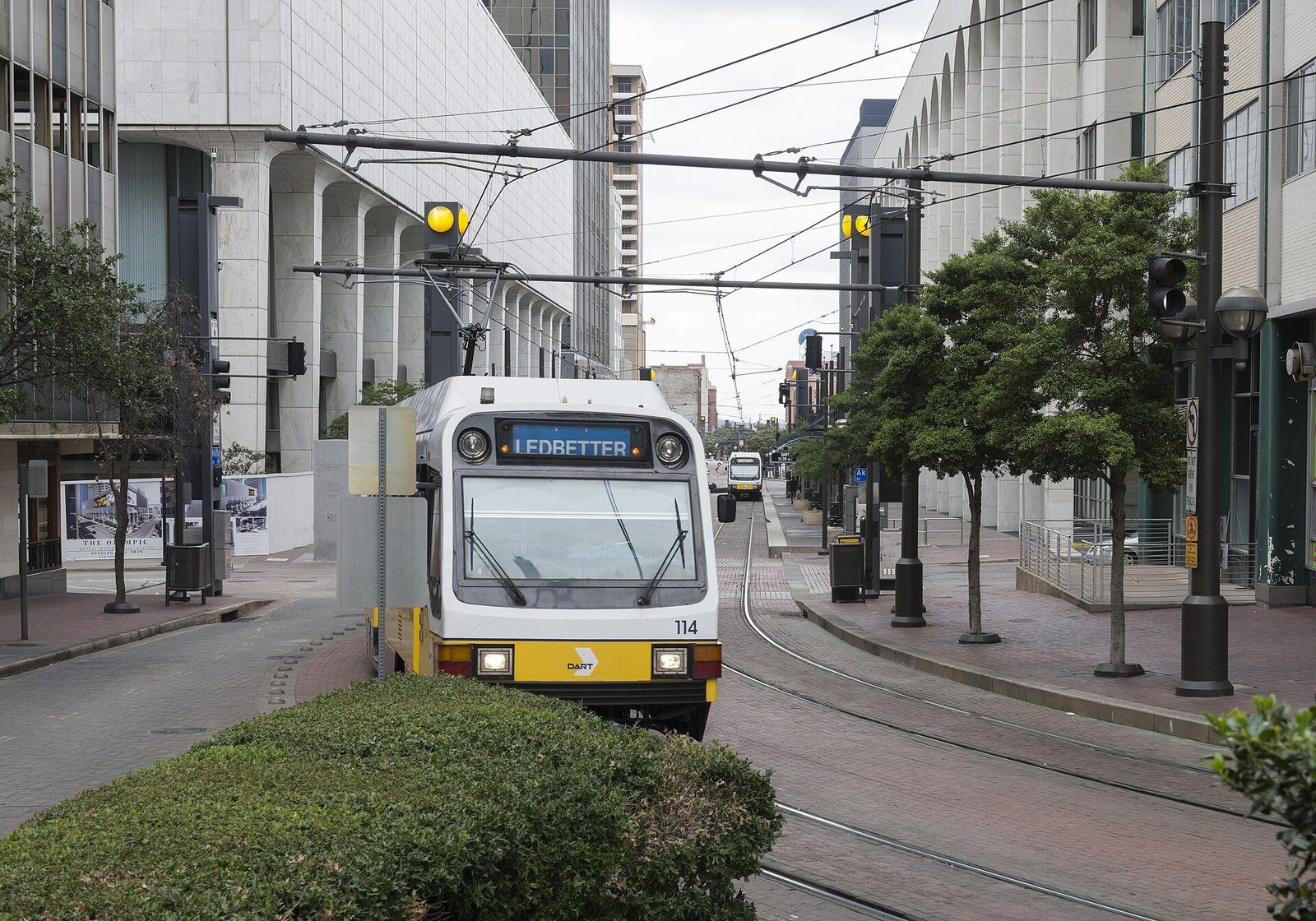
Getting around Dallas splits cleanly in two. Downtown, the Arts District, Uptown, Deep Ellum and Victory Park are genuinely car-free territory on a $6.00 DART Local Day Pass. Almost everywhere else — the Arboretum, White Rock Lake, the best barbecue, anything in Arlington or the northern suburbs — wants a car or a serious rideshare budget.
That split is the whole article. What follows is the detail that decides which side of it your trip lands on: what DART actually charges in September 2026, which attractions sit close enough to a station to be worth the walk, where the service day quietly ends, what parking really costs downtown, and the two or three places where a rental car stops being a convenience and turns into a liability you pay for nightly.
Every fare, price and opening time below was checked in September 2026 against the operator’s own page. Dallas moves its numbers more often than most American cities — DART cut the Regional Day Pass by a quarter in March 2026 — so re-check anything you are budgeting tightly around.
Which Way to Get Around Dallas: The Decision Table
Start here. Find the row that looks most like your trip, then read the section it points you to. The costs are per adult per day and cover movement only, not admission.
| Your trip | What to use | Daily transport cost | The catch nobody mentions |
|---|---|---|---|
| Two or three nights, downtown hotel, museums and Deep Ellum | DART Local Day Pass plus walking | $6.00 | The DMA, the Nasher and the Sixth Floor Museum all close Monday and Tuesday. The pass is cheap; the wasted day is not. |
| Same trip, staying in Uptown or the West Village | M-Line Trolley plus DART when you need it | $0.00 to $6.00 | The trolley is free but unhurried. It is transport, not a schedule. |
| Arboretum, White Rock Lake, suburban barbecue, day trips | Rental car | Rental plus parking plus tolls | Downtown hotel parking can cost more per night than the car does. |
| One night, late arrival, no fixed plans | Rideshare only | Two or three trips | Almost always cheaper than one day of downtown parking. |
| Fort Worth for the day | TRE from EBJ Union Station on a Regional Day Pass | $9.00 | A round trip bought as two one-way TRE tickets costs $12.00. The Regional pass is $9.00. Do not buy singles. |
| Game at AT&T Stadium or Globe Life Field | Car, taxi or an organized coach | Parking plus fuel | Arlington is not a DART member city. There is no train to either stadium, and this is the single biggest planning trap in North Texas. |
| Family of four, five nights, suburban hotel | Rental car, with one DART day downtown | Rental plus $6.00 on the transit day | Four day passes is $24.00. One parking garage is often less. Run the numbers per person, not per family. |
If you only take one line from that table, take the Arlington one. Two of the region’s three biggest sports venues sit in a city DART does not serve, and visitors discover this at about 5pm on a game day.
Do You Actually Need a Car in Dallas?
The honest answer is that it depends almost entirely on where you sleep and whether your list includes anything east of Central Expressway.
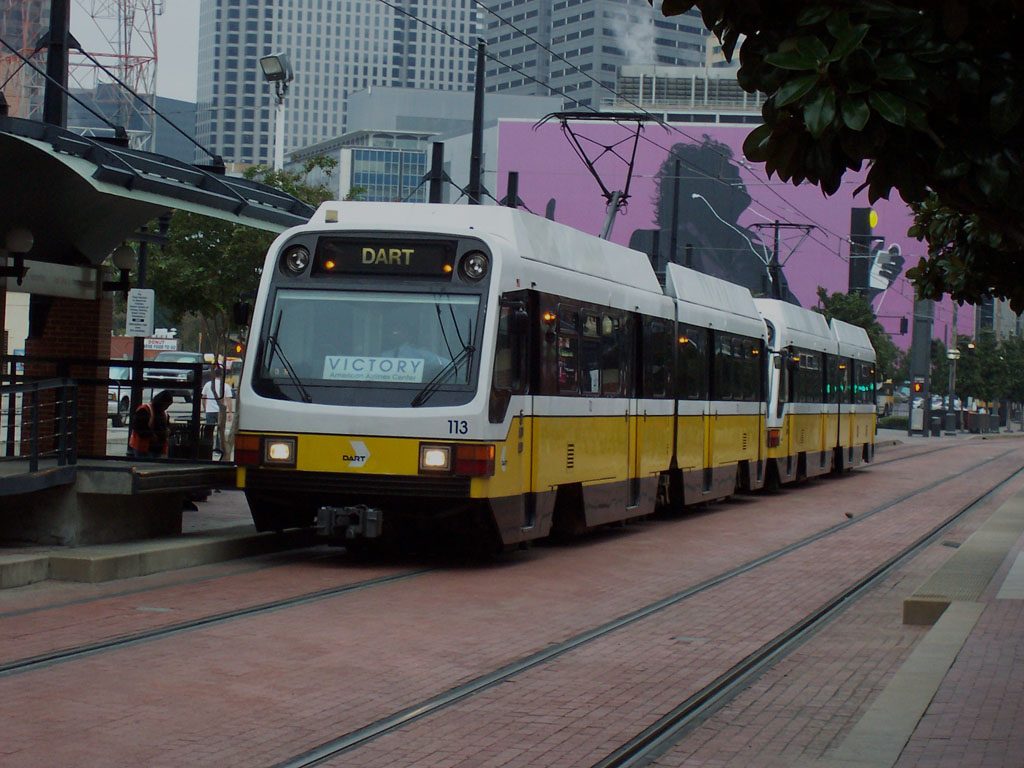
DART runs one of the longest light rail systems in the United States — 93 miles of it, 66 stations across nine cities, four color-coded lines, every one of which passes through downtown Dallas. On paper that is a serious network. In practice it was built to carry commuters in and out of downtown in the morning and evening, not to move a visitor sideways between neighborhoods at two in the afternoon. Radial trips are easy. Lateral trips are where the system stops helping.
You do not need a car if: you are staying downtown, in Uptown or near a rail station; your list is museums, Deep Ellum, Bishop Arts, Fair Park and Victory Park; and you are comfortable with one or two rideshares across the week for the outliers. That is a large share of first-time visitors, and it is a cheaper, less stressful trip than the guidebooks imply.
You do need a car if: the Dallas Arboretum, White Rock Lake, Cattleack Barbeque, an Arlington stadium or a day trip beyond the DART map is non-negotiable; you are traveling with small children in July or August; or your hotel is in a suburb with free parking, in which case you have already made the decision and the math is settled.
The expensive middle ground is renting a car for a downtown trip “just in case.” You will pay the rental, you will pay a nightly garage rate that can rival the rental itself, and you will still walk to the museums because parking near the Arts District is worse than the train. If you need a car for one day out of four, pick it up on the morning of day three and hand it back that night. Downtown rental desks make this easy, and it routinely saves more than the DART passes cost for the whole trip.
What Does DART Cost and Which Pass Should You Buy?
This is the part that page one of Google gets vague about, so here is the full table as DART publishes it, checked September 2026.
| Pass | Regular | Reduced | What it covers |
|---|---|---|---|
| Local Day Pass | $6.00 | $3.00 | DART Rail, DART buses, GoLink, the Dallas Streetcar and the Silver Line |
| Regional Day Pass | $9.00 | $4.50 | Everything Local plus the full Trinity Railway Express, Denton County Transportation Authority and Trinity Metro |
| 3-Hour Pass (Local) | $3.00 | $1.50 | Unlimited rides for three hours from purchase or activation |
| Dallas Streetcar one-way | $1.00 | — | GoPass app, GoPass Tap card or contactless payment only |
| TRE one-way | $6.00 | — | GoPass app only, valid 75 minutes, no transfers |
| 31-Day Pass (Local) | $126.00 | $63.00 | Also the monthly cap on a registered Tap card or credit card |
| 31-Day Pass (Regional) | $192.00 | $96.00 | As above, regional coverage |
| Paratransit one-way | $3.50 | — | Certified riders; a book of ten coupons is $35.00 |
Buy the Local pass. Nine visitors in ten never leave Local territory, and the $3.00 difference over a four-day trip is real money for something you will not use. Upgrade to Regional only on the specific day you ride the TRE into Fort Worth or take the A-train north from Trinity Mills Station in Carrollton.
Day passes run until 3am the following morning, not just to midnight. That sounds generous and mostly is not — it means the pass outlives the service day rather than that trains run until three. What it genuinely buys you is a late Deep Ellum evening on the same ticket you bought at nine that morning.
The 3-Hour Pass at $3.00 is the sleeper. If your day is one museum and dinner, two three-hour passes cost the same as a day pass with none of the flexibility, so it only wins when you are making a single out-and-back — a morning run to the zoo, say, with a rideshare home. Buy it when you know you will ride twice and no more.
Ignore fare capping. A registered Tap card or credit card caps you at the 31-day price, which on Local means you would have to ride 21 separate days in one calendar month before it changed anything. It is a commuter benefit that occasionally gets written up as a visitor tip. It is not one.
One wrinkle worth knowing before you stand at a machine: the Regional pass is not sold on the GoPass Tap card. You need the GoPass app or a ticket vending machine for that one. TVMs sit on the platform at every rail station and take cash as well as cards, which makes them the reliable fallback when a phone dies or an app refuses to load on foreign data.
Reduced fares — half price across the board — cover seniors, riders with disabilities, Medicare card holders and qualifying students, and there is a Discount GoPass Tap card that applies the 50% automatically. Bring the documentation; inspectors do check.
How Far Does DART Actually Get You?
Here is the table the tourism sites will not write, because it requires admitting that some famous Dallas attractions are simply not on the transit map. Verdicts are ours.
| Destination | Rail service | Walk from the platform | Verdict |
|---|---|---|---|
| Dallas Museum of Art and the Nasher | All four light rail lines through downtown | Short, mostly shaded | Yes. The Nasher gives DART riders $2 off with proof of fare, so $8 instead of $10 — the pass starts paying for itself at the door. |
| The Sixth Floor Museum, Dealey Plaza | Downtown lines; EBJ Union Station is close | A few minutes | Yes, easily. Closed Monday and Tuesday. |
| Perot Museum | Northern edge of downtown | Roughly ten minutes | Yes, and it saves the $15 museum parking charge. |
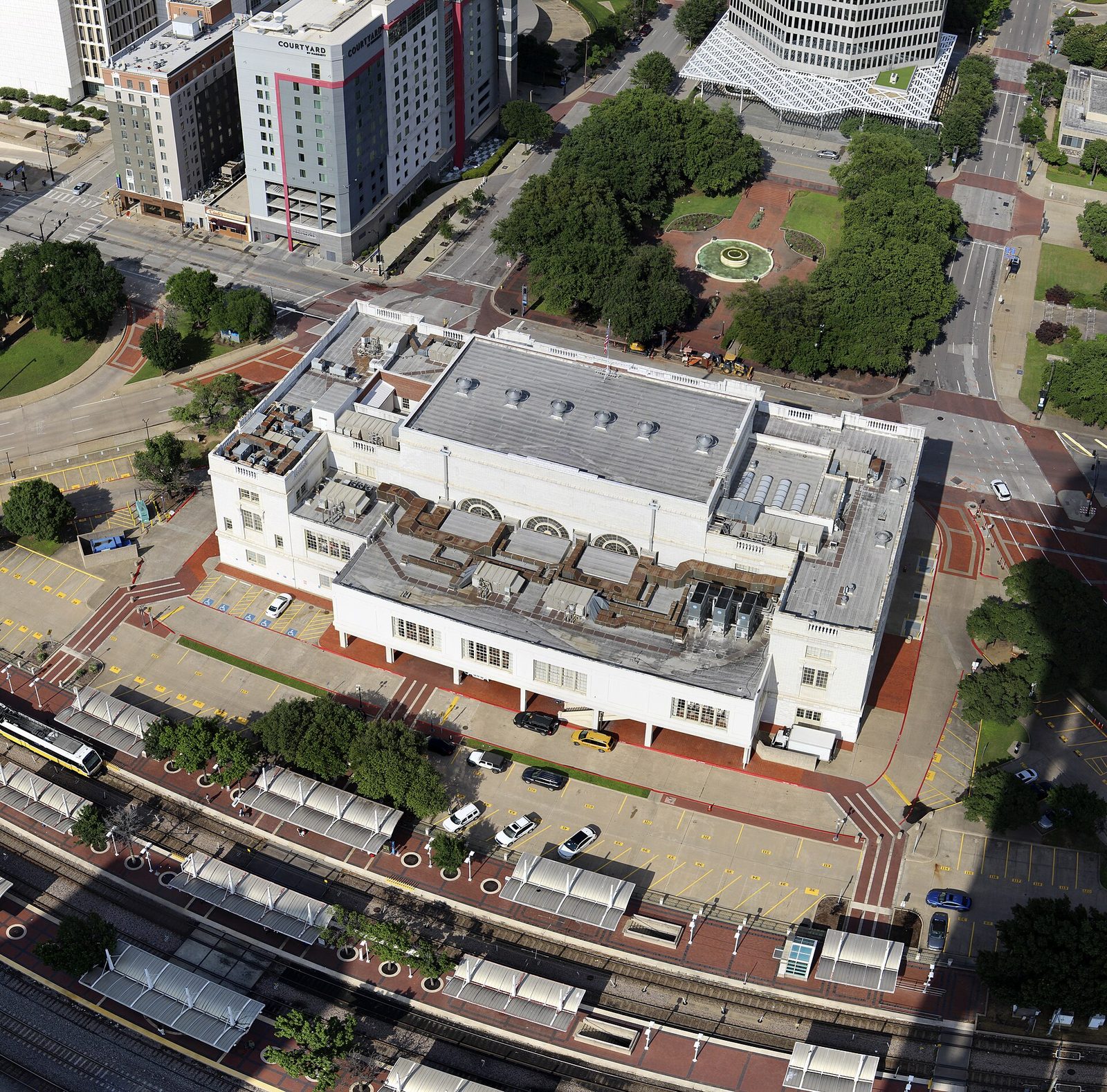
| Reunion Tower | EBJ Union Station | Minutes | Yes. The station sits at its feet. |
| Bishop Arts District | Dallas Streetcar from EBJ Union Station | Short | Yes. At $1.00 one-way this is the best-value ride in the city. |
| Deep Ellum | Green Line | Short | Yes, and it removes the parking problem entirely on a weekend night. |
| Uptown and the West Village | M-Line Trolley from CityPlace/Uptown Station | Short | Yes, and free. |
| Victory Park and the arena | Victory Station | Minutes | Yes. Event nights are exactly when you want the train. |
| Dallas Zoo | Red and Blue lines to the zoo’s own station | Minimal | Yes. One of the cleanest station-to-door matches in Dallas. |
| Fair Park and the State Fair of Texas | Green Line | Short | Yes, emphatically. Driving to the Fair is a decision you regret. |
| George W. Bush Presidential Center | Mockingbird Station area | Ten to fifteen minutes | Workable. Punishing in August, pleasant in October. |
| Dallas Arboretum | No rail. Bus, GoLink or rideshare | — | No. Drive or take a car. |
| White Rock Lake | Nothing convenient | — | No. |
| Fort Worth | TRE from EBJ Union Station | — | Yes, but give it the whole day. |
| AT&T Stadium, Globe Life Field | None | — | No. Arlington is not on the network. |
| Dallas Love Field | Green or Orange Line to Inwood/Love Field Station, then the Route 5 Love Link bus | — | Yes, with one transfer. |
| DFW International Airport | Orange Line to Terminal A; Silver Line to Terminal B | — | Yes. Airport logistics get their own guide. |
Two standing caveats. Station names and platforms shift with construction, so run your actual trip through DART’s trip planner on the morning you travel rather than trusting a table you read weeks earlier. And walking distances in this table assume you are willing to walk — see the heat section further down before you commit to “roughly ten minutes” in August.
If your shortlist is mostly the top half of that table, you are looking at a car-free trip. Our guide to the city’s main attractions maps onto it almost exactly, and the day-by-day itineraries are built around the same stations.
The Two Rail Lines Visitors Confuse: M-Line Trolley and Dallas Streetcar
These are two different services run by two different organisations, they do not connect to each other, and mixing them up is the most common small mistake visitors make.
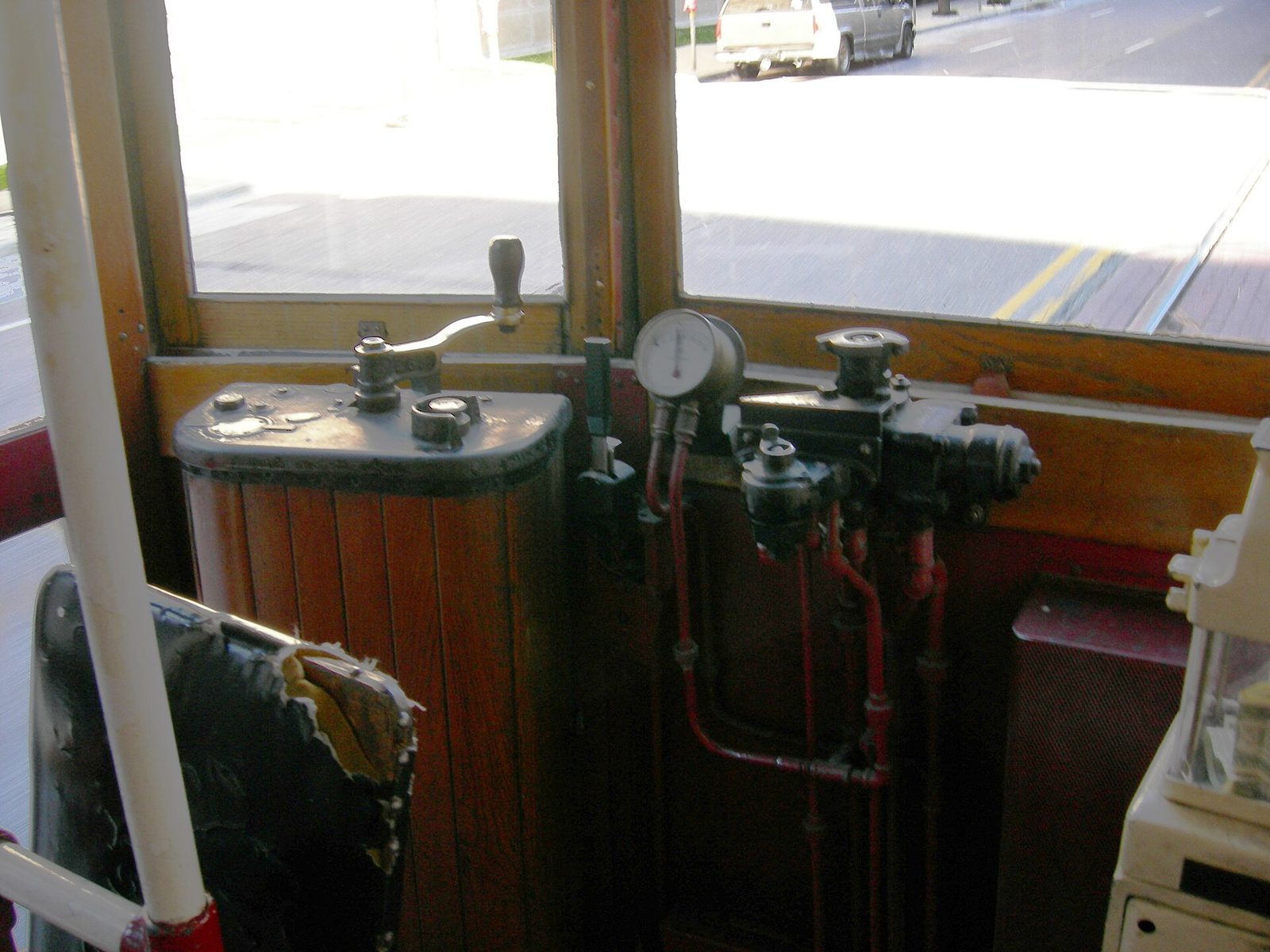
The M-Line Trolley is operated by the McKinney Avenue Transit Authority, runs restored vintage streetcars, and is free to ride, 365 days a year. It links the Arts District, downtown, Klyde Warren Park, Uptown and the West Village, and it meets DART at CityPlace/Uptown Station. Donations are optional and the sponsors cover the rest.
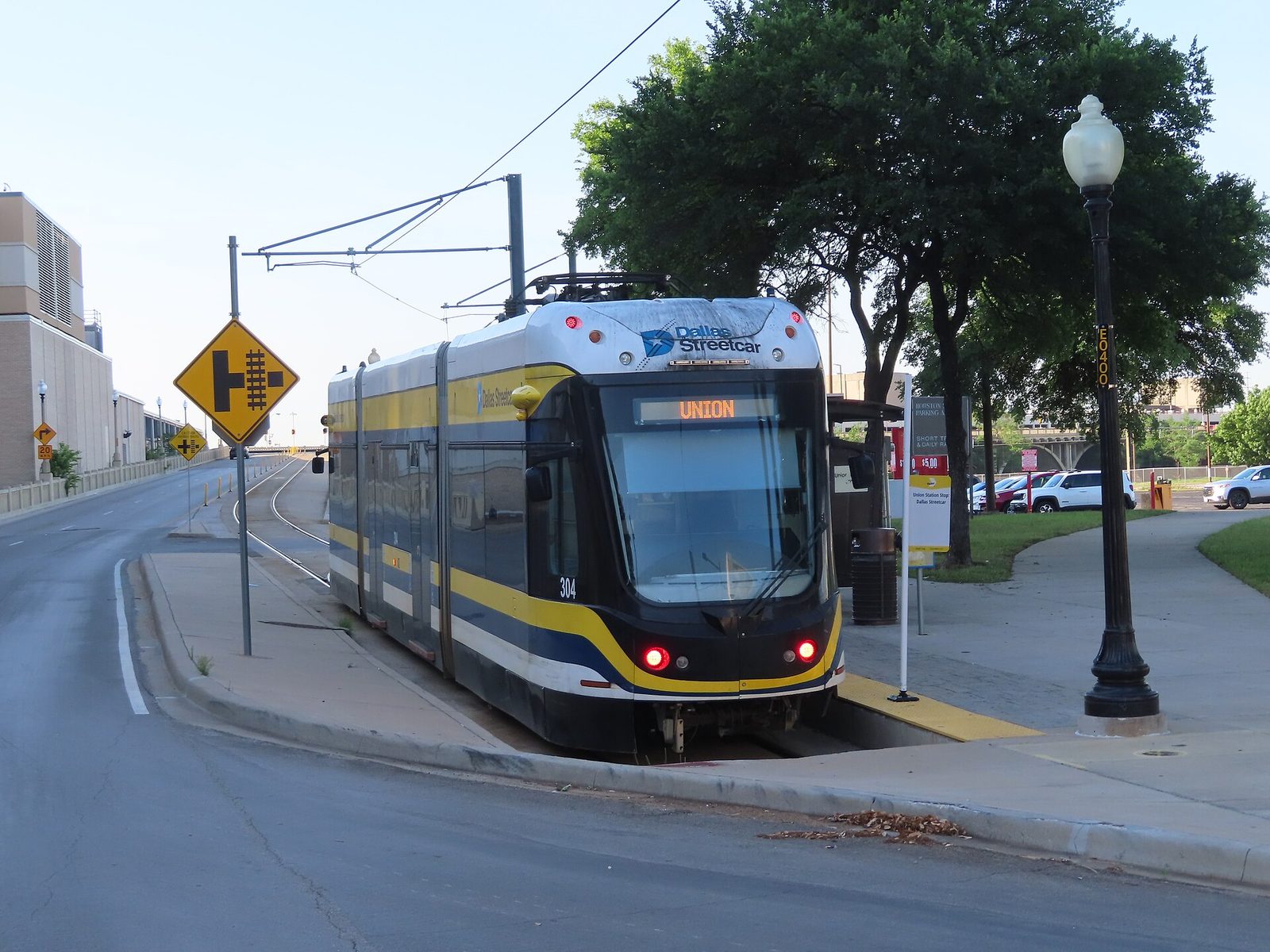
The Dallas Streetcar is DART’s, runs modern vehicles from EBJ Union Station across the river to the Bishop Arts District, and costs $1.00 one-way — payable only through the GoPass app, a GoPass Tap card or contactless payment, so there is no cash option at the stop. A Local Day Pass covers it outright.
The honest verdict on each: the M-Line is delightful and slow. The cars are old, they stop for traffic, and headways are what they are. Ride it because the ride is part of the point, not because you need to be somewhere. The Streetcar is the opposite — unglamorous, efficient, and the single best transport value in Dallas. A dollar to cross the Trinity and land in the middle of Bishop Arts is a better deal than anything else on this page.
When Does Service Stop, and What Happens Late at Night?
This is where car-free trips go wrong, and it is worth twenty minutes of planning before your first night out.
DART’s own customer service line runs 05:00 to midnight, seven days a week, which is a fair proxy for the shape of the service day but not a timetable. Individual lines and individual directions finish at different times, and weekend schedules differ from weekdays. The only number that matters is the last departure from the station you will actually be standing at, and DART publishes weekday and weekend schedules for every line. Screenshot it.
The 3am day-pass validity is a red herring in this context. It tells you the ticket is still good; it does not tell you a train is coming. Deep Ellum on a Saturday night, Uptown after a late dinner and Bishop Arts after the last streetcar are all places where the sensible plan is a rideshare home and no guilt about it. Budget for two or three of those across a trip and the car-free math still wins comfortably.
Two operational details that save irritation. DART asks riders to be on the platform three to five minutes before the scheduled departure, and trains leave on time to protect the rest of the line — turning up as the doors close is not a near miss, it is a miss. And proof of payment is required at all times: buy and activate your GoPass ticket before you board, or tap your card at the platform reader every single time you board or transfer. Fare inspectors work the trains, and “I have the app” is not the same as “I activated the ticket.”
Driving in Dallas: Highways, Tolls and the Rental Math
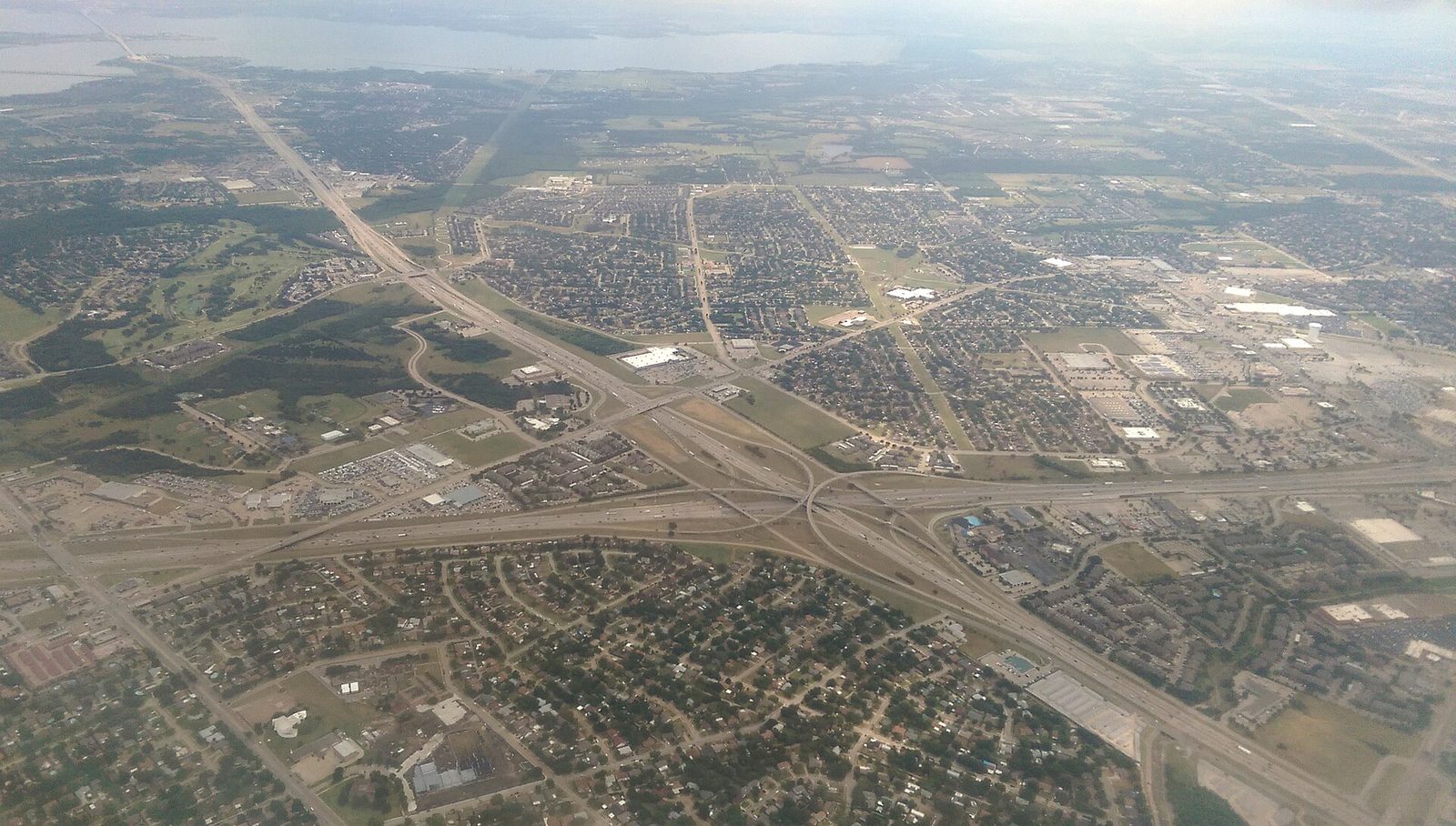
Dallas drives well by the standards of large American cities and badly by the standards of anywhere with a grid. The freeway network is enormous, well signed and fast outside peak hours. Peak hours are roughly 07:00–09:00 and 16:00–18:30 on weekdays, and the loops around the city fill up in both directions rather than just inbound.
The genuine difficulty is not congestion, it is geometry. Interchanges stack four and five levels, exits come from the left as often as the right, and access roads run parallel to the freeway with their own signals, so missing a turn can cost a mile before you can correct it. Set navigation before you move and follow it literally. This is not a city to improvise in.
Tolls are the line item people forget. North Texas has a substantial network of tolled roads operated by the North Texas Tollway Authority, and they are not set up for a visitor to simply hand over money at a booth. If you are renting, the rental company will bill tolls through its own program and add a service fee, and every company prices that differently — some charge a flat daily fee for any day you use a toll road, some charge per transaction, and the difference over a week is not trivial. Read the toll clause in your rental agreement before you sign it, and check current arrangements on ntta.org rather than assuming. We are not quoting a toll rate here because the ones we could not verify from the operator directly are not worth printing.
The practical workaround: for most visitor itineraries, the toll roads save ten or fifteen minutes on trips you were not in a hurry for anyway. Setting your navigation app to avoid tolls costs you very little and removes the whole question.
The rental math, stated plainly. A car earns its keep from the moment your day includes two destinations that are not both on the rail spine. It stops earning its keep the moment it spends a night in a downtown garage. Front-load the transit days, back-load the car days, and return it before the last night rather than the last morning.
Where Do You Park, and What Does It Cost?
There is no published rate card for downtown Dallas parking, and any page that gives you one number is guessing. Downtown Dallas Inc., which runs the district, describes the supply as surface lots, garages, meters and valet and points visitors at ParkMobile, BestParking, SpotHero and ParkMe rather than quoting prices — which tells you everything about how variable it is.
What we can give you are the rates operators publish themselves, checked September 2026:
| Where | Published rate | Notes |
|---|---|---|
| Perot Museum, Lot B under Woodall Rodgers | $15.00 per vehicle | $5.00 for members. Arriving by rail avoids it entirely. |
| Reunion Tower self-parking | $10.00 | EBJ Union Station is a two-minute walk away. |
| Downtown meters, lots and garages | No published standard rate | Varies by block, by operator and by event. Use an app to compare before you drive in. |
| Hotel garages | Quoted per property | The number that actually decides your trip budget. Get it in writing before booking. |
Two habits worth forming. First, check whether there is an event at the arena, the convention center or Fair Park on the day you are driving in; event pricing is a different world from ordinary Tuesday pricing. Second, reserve through an app when you know your timings — the walk-up rate at a garage near a venue on a game night is the worst price in the city, and it is entirely avoidable.
If you are still choosing a hotel, parking cost belongs in the comparison alongside the nightly rate. Our neighborhood-by-neighborhood accommodation guide flags which areas assume a car and which do not.
Rideshare, Taxis and GoLink: The Gap Filler
Rideshare is how almost every visitor actually covers the gaps in the rail map, and there is no shame in it. Uber and Lyft both operate throughout the metroplex, coverage is dense in the core and reliable in the suburbs, and for the specific trips DART does not serve well — downtown to the Arboretum, a late ride back from Bishop Arts, a suburban barbecue joint that closes when it sells out — it is simply the right tool.
Two things to expect. Prices climb hard at the end of large events; if 20,000 people leave a venue at once, walking four or five blocks before you request a car is the cheapest ten minutes of your trip. And pickup at big venues is corralled into designated zones that are often a genuine walk from where you are standing, so read the app’s pin rather than assuming it means “outside.”
GoLink is the underused one. It is DART’s own on-demand service: you book a shared ride within a defined zone through the GoPass app, and it is covered by an ordinary Local pass rather than costing extra. In the parts of Dallas where the bus network is thin, GoLink is often the missing link between a rail station and a door, at no additional cost to a rider who already holds a day pass. Check whether your destination falls in a GoLink zone before you default to a paid rideshare; the map is on DART’s site and the answer is yes more often than visitors expect.
Traditional taxis still exist at the airports, major hotels and ranks downtown. They are a fine backup, particularly if you prefer not to use an app, but they are no longer the default and you should not plan around hailing one on the street.
Is Dallas Walkable?
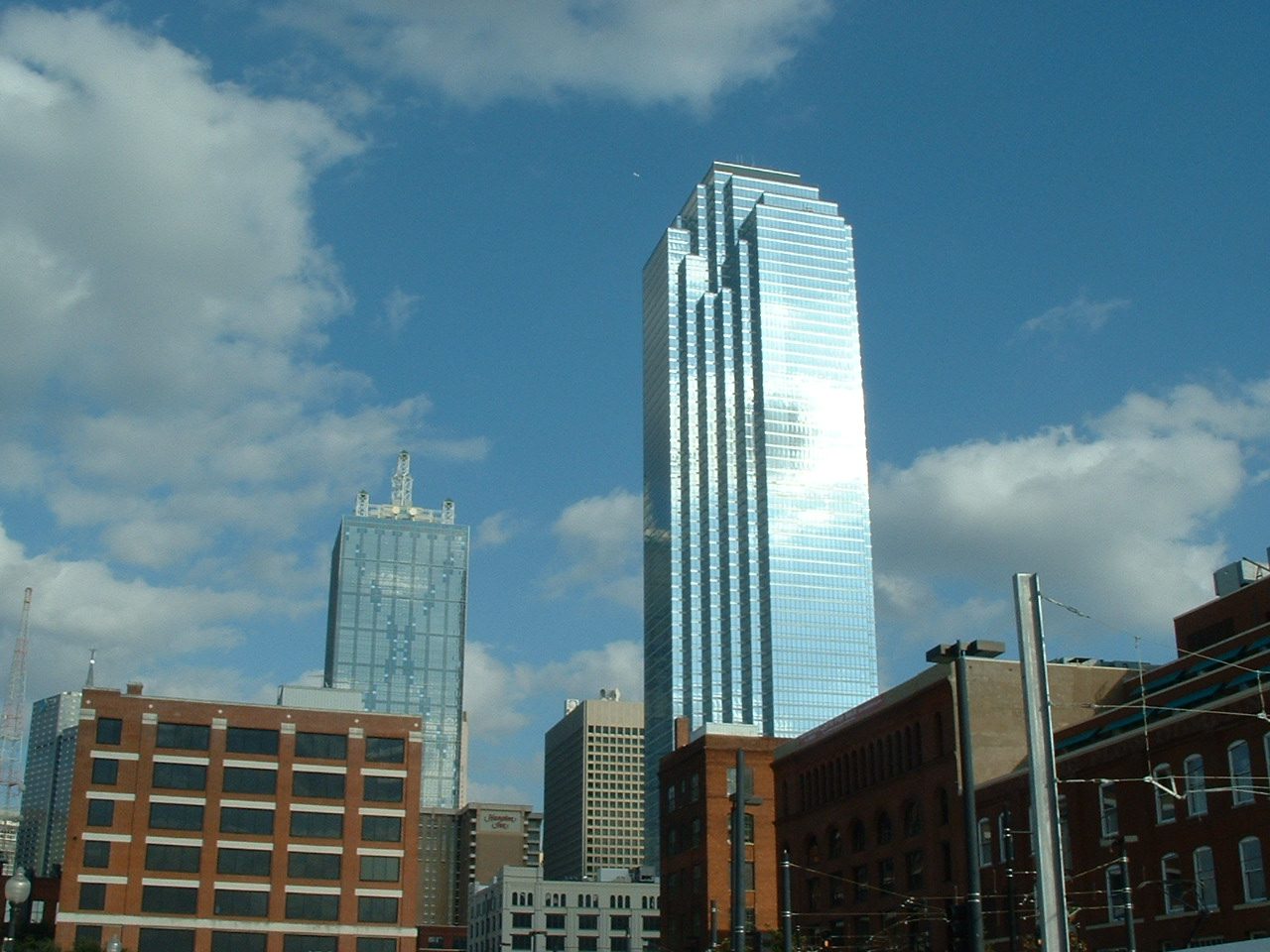
Downtown Dallas carries a walk score of 95 and can be crossed on foot in about thirty minutes. Within that core, and within Deep Ellum, Bishop Arts, Uptown and the Arts District, walking is not just possible but the best way to see anything. Between those districts, it usually is not — the gaps are wide, the crossings are hostile, and what looks like a twenty-minute walk on a map is a twenty-minute walk beside six lanes of traffic.
Then there is the heat, which deserves its own table because it changes the answer more than any other single factor.
| Month | Average high | What that means on foot |
|---|---|---|
| April | 77.4°F | Ideal. Walk everything. |
| June | 92.7°F | Early mornings and evenings only for anything over ten minutes. |
| July | 96.9°F | Shade to shade. Plan indoor blocks in the middle of the day. |
| August | 97.1°F | The hardest month. Treat a fifteen-minute walk as an activity in itself. |
| September | 90.0°F | Improving, but the first half of the month still behaves like summer. |
| October | 79.5°F | The best walking month of the year, and the wettest. |
| January | 57.7°F | Perfectly comfortable. Bring a layer, not a coat. |
Dallas passes 100°F several times every summer and once hit 113°F. A car-free July trip is entirely workable, but it has to be built differently: transit and indoor attractions between noon and four, walking before ten and after six, and a tolerance for stepping into any air-conditioned lobby you pass. Our month-by-month guide to when to visit goes into what each season does to an itinerary.
Two pieces of walking infrastructure genuinely change the core. Klyde Warren Park decks over the Woodall Rodgers Freeway and stitches the Arts District to Uptown, turning a hostile crossing into a pleasant one. And the Ronald Kirk pedestrian bridge over the Trinity gives you a free, wide-open view back at the skyline — which is worth knowing before you pay for an observation deck, because on a clear evening the bridge is the better photograph. More free options of that kind are collected in our guide to free things to do in Dallas.
Bikes, Scooters and the Trail Network
Three scooter operators serve downtown — Bird, Lime and Superpedestrian — and they are available from 05:00 to 21:00. That evening cut-off catches people who assumed a scooter would get them home from dinner; it will not.
One rule matters more than the rest: it is illegal to ride bikes or scooters on sidewalks in Downtown Dallas. Ride in the street or in a bike lane. This is not an obscure bylaw, it is posted, and downtown sidewalks are busy enough that the rule makes sense even where nobody is watching.
For recreational riding, the Katy Trail is the one every local recommends, running north from near the American Airlines Center through Uptown and beyond on a former rail alignment. It is shaded in stretches, busy with runners, and a far more pleasant way to cover the downtown-to-Uptown distance than any sidewalk.
Bikes travel on DART. Every light rail vehicle has a center section level with the platform, designed for wheelchairs, scooters, bicycles, strollers and luggage alike, so combining a train leg with a ride at the far end is straightforward. Keep the aisle clear and use the low-floor section.
Accessibility, Luggage and Traveling With Kids
DART handles accessibility better than its reputation suggests. Level boarding is standard: the center car of every light rail vehicle sits flush with the platform, so there is no lift, no ramp and no waiting. Stations have ticket machines on the platform, and reduced fares at half price cover seniors, riders with disabilities and Medicare card holders.
Paratransit is available for certified riders who cannot use fixed-route buses and trains — a door-to-door shared service at $3.50 one-way, or $35.00 for a book of ten coupons. Certification is required in advance, so this is a planning-stage decision, not a same-day one.
Luggage is the trap. There are no luggage racks on DART light rail — not on the Red, Blue, Green or Orange lines. You board into the level center section with your bags and you manage them yourself; operators do not assist. The Silver Line is the exception and does have overhead racks and a dedicated luggage area, which quietly makes it the better airport approach if you are carrying a lot. Anyone arriving with three large cases and a stroller should think hard before choosing the train over a car.
With children, the calculation is mostly about heat and patience rather than logistics. Strollers are fine on board. The trolley and the streetcar are genuinely fun for younger kids, which buys you goodwill. What does not work is a string of fifteen-minute connecting walks in July. Our family guide to Dallas pairs attractions with the transport that actually suits them.
Day-Tripping to Fort Worth on the TRE
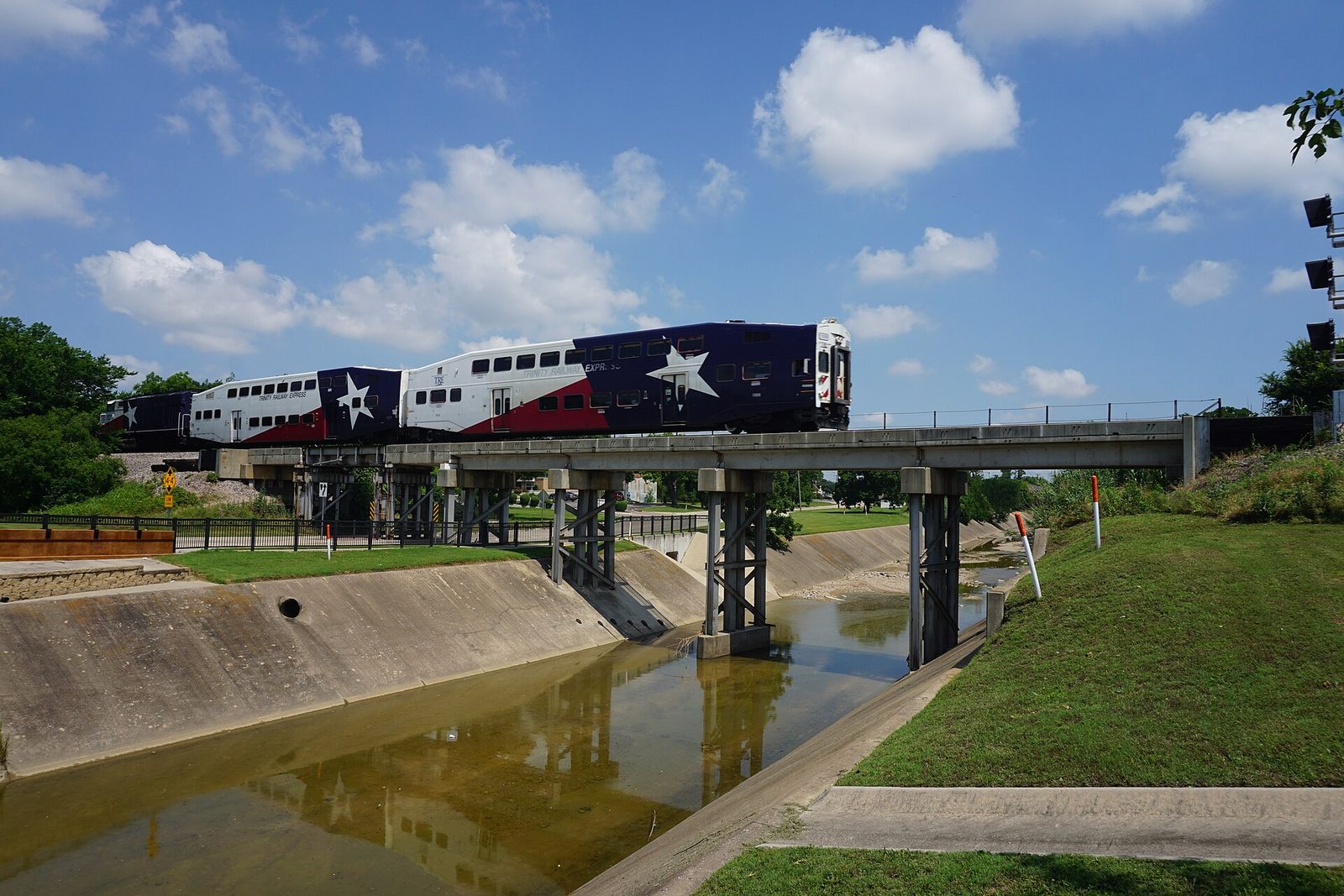
The Trinity Railway Express runs between EBJ Union Station in Dallas and Fort Worth T&P Station, with several stops in between including CentrePort/DFW Airport Station. It is a real, scheduled commuter railway rather than a tourist novelty, and it is the single best reason a visitor might want a Regional pass.
The fare arithmetic is unusually clear-cut. A TRE one-way pass costs $6.00, is sold only on the GoPass app, is valid for 75 minutes and allows no transfers. A Regional Day Pass costs $9.00 and covers unlimited rides all day on everything. If you are going to Fort Worth and coming back, two singles cost $12.00 and the Regional pass costs $9.00. Buy the pass.
Note the boundary: a Local pass covers the TRE only as far west as CentrePort/DFW Airport Station. Continue to Fort Worth on a Local pass and you are riding without valid fare. Check weekend schedules carefully too — TRE weekend service is thinner than weekday service, and the last train back is the constraint that shapes the whole day.
The honest verdict: do not squeeze Fort Worth into an afternoon. The Stockyards, the museum district and downtown Fort Worth are three separate destinations that each want half a day, and the train journey bookends whatever you do. Give it a full day or skip it — a rushed Fort Worth is a worse memory than no Fort Worth at all.
Three Real Itineraries and What It Costs to Move
Transport only. Admission, food and hotels are elsewhere.
| Trip | Movement plan | Transport cost per adult | Why it works |
|---|---|---|---|
| Two days, downtown hotel, museums and Bishop Arts | Two Local Day Passes; the $1.00 streetcar is covered | $12.00 | Everything on the list is on the rail spine. A car would add cost and subtract nothing. |
| Four days including the Arboretum and Fort Worth | Two Local Day Passes, one Regional Day Pass, one rideshare pair to the Arboretum | $21.00 plus two rideshares | Still well under a four-day rental with downtown parking, and nobody has to drive after dinner. |
| Five days, family of four, suburban base, one downtown day | Rental car throughout, four Local Day Passes on the museum day | Rental plus $24.00 | The car is doing real work. Parking the car for one day beats parking it in the Arts District. |
The pattern across all three is the same: transit for the dense core, a car for the edges, and a deliberate decision about which days are which rather than defaulting to one mode for the whole trip. Pair this with our overview of things to do in Dallas and the sequencing more or less writes itself, and the neighborhood guide explains which districts reward the time it takes to reach them.
Getting Around Dallas: Frequently Asked Questions
How much is a DART day pass?
A Local Day Pass is $6.00 regular and $3.00 reduced. A Regional Day Pass, which adds the full TRE, Denton County Transportation Authority and Trinity Metro, is $9.00 regular and $4.50 reduced. Both run until 3am the following morning. Checked September 2026.
Do I need to buy a ticket before boarding DART?
Yes. Proof of payment is required at all times. Buy and activate a GoPass ticket before you step on, or tap your GoPass Tap card at the platform reader every time you board or transfer. Fare inspectors work the trains and an unactivated ticket counts as no ticket.
Is the M-Line Trolley really free?
Yes, completely. The McKinney Avenue Transit Authority runs it on sponsorship, 365 days a year, between the Arts District, downtown, Klyde Warren Park, Uptown and the West Village. Donations are welcome and entirely optional. It is not part of DART and needs no pass.
Is the Dallas Streetcar the same thing as the M-Line Trolley?
No. The Dallas Streetcar is DART’s, runs modern cars from EBJ Union Station to Bishop Arts, and costs $1.00 one-way or is included in any Local pass. The M-Line is a separate, free, vintage service on the other side of downtown. They do not connect.
Can I get from DFW Airport to downtown Dallas by train?
Yes. The Orange Line serves DFW Terminal A and the Silver Line serves Terminal B. For Love Field, take the Green or Orange Line to Inwood/Love Field Station and connect to the Route 5 Love Link bus. Airport ground transport has its own dedicated guide on this site.
Can I take luggage on DART?
You can, but there are no luggage racks on light rail. You board into the level center section and keep your bags with you, and operators do not help. The Silver Line is the exception, with overhead racks and a luggage area. With several large cases, a car is the kinder choice.
What is GoLink and is it included in my pass?
GoLink is DART’s on-demand shared ride service, booked in the GoPass app within defined zones. It is included in a Local pass at no extra charge, which makes it the cheapest way to cover the last mile between a rail station and a destination the buses miss.
Is a rideshare cheaper than renting a car in Dallas?
For a downtown trip of two or three days, usually yes once parking is counted. For anything that involves daily trips outside the rail corridor, no. The break-even is roughly three or four rideshare trips a day, which is also the point at which the waiting becomes tiresome.
Can I reach AT&T Stadium or Globe Life Field on DART?
No. Both are in Arlington, which is not a DART member city and has no light rail. Plan on driving, a taxi or rideshare, or an organized coach service. This catches more visitors than any other transport assumption in North Texas.
Arrival is its own problem, and it is the one place where the rail network genuinely shines. Which DART line reaches downtown from DFW, when the Skylink beats the Terminal Link, and why the bus out of Love Field costs nothing at all are covered in our Dallas airports guide, along with the layover maths and the taxi ranks.
The gap that matters most is after dark: the trains finish around midnight and the bars run to two. Our nightlife guide works through that two-hour problem district by district, including which areas you can reach on the free trolley and which ones mean paying for a ride both ways.
Game days are where the rail map matters most, and where it lets you down. Victory Station puts you beside the arena in ninety seconds; Arlington has no train at all. Our Dallas sports guide works through each venue in turn, including the pre-event Red and Blue Line services that run straight to Victory and the last train back to Fort Worth.
The Regional Day Pass earns its extra three dollars on exactly two days: a trip to Fort Worth on the TRE, or to Denton on the A-train from Trinity Mills. Our day trips guide covers both routes in detail, alongside the nine destinations that need a car.
Retail is one of the places the rail map genuinely helps: a dollar on the Dallas Streetcar puts you in the middle of Bishop Arts, and the Farmers Market is a walk from downtown. Our shopping guide flags which centers are reachable without a car and which are firmly a drive.
Transport is the cheapest line in a Dallas budget and the easiest to get wrong. Our budget guide puts the fares alongside parking, tolls and rideshare so you can see why one day of downtown parking usually costs more than two days of unlimited transit.
If mobility is part of the equation, the detail matters more than the summary. DART buses carry wheelchair lifts, light rail offers level boarding in the centre car with two marked wheelchair spaces, and reduced fares halve every pass — but there are no luggage racks on light rail and paratransit is curb-to-curb rather than door-to-door. Our accessible Dallas travel guide works through the whole network, venue by venue.
The transport maths is starkest on a business trip. Three days of Local Day Passes costs $18.00; a rental car plus convention centre parking at $20 a day with no in-and-out privileges, plus hotel parking, runs past $240 for the same three days. Unless your meetings are in Plano or Las Colinas, the car is an expensive way to acquire a parking problem — we work it through in our guide to business travel in Dallas.
The Green Line earns its keep once a year in particular. It serves the State Fair from two stations — Fair Park Station on Parry Avenue and MLK Jr. Station near Gate 6 — which turns a $25 parking charge and a long exit queue into a $6 day pass. We work through the whole comparison in our guide to visiting the State Fair of Texas.
Related Dallas Guides
- Things to Do in Dallas — the master list, sequenced by district
- Dallas Attractions — what each one costs and whether it is worth the trip
- Dallas Itineraries — one, two and three-day plans built around real travel times
- Dallas Neighborhoods — which districts reward the journey
- Where to Stay in Dallas — including which areas assume a car
- Best Time to Visit Dallas — heat, crowds and what each month does to a plan
- Free Things to Do in Dallas — the free trolley is only the start
- Dallas With Kids — attractions matched to workable transport
- Where to Eat in Dallas — including the places worth the drive
- Dallas Events — event days change parking and rideshare pricing
- Dallas Travel Guide — the complete planning overview
Photo Credits
- DART light rail car 113: photo by Adam E. Moreira, Wikimedia Commons (CC BY-SA 3.0 us)
- EBJ Union Station: photo by IcedCowboyCoffee, Wikimedia Commons (CC0)
- M-Line Trolley interior: photo by Joe Mabel, Wikimedia Commons (CC BY-SA 3.0)
- Dallas Streetcar car 304: photo by David Wilson from Oak Park, Illinois, USA, Wikimedia Commons (CC BY 2.0)
- Dallas freeway interchange: photo by alfred twu, Wikimedia Commons (CC0)
- Downtown Dallas: photo by David Herrera from Albuquerque, NM, Bernalillo, Wikimedia Commons (CC BY 2.0)
- Trinity Railway Express: photo by Michael Barera, Wikimedia Commons (CC BY-SA 4.0)
- DART light rail at Akard Station (featured image): photo by Carol M. Highsmith, Wikimedia Commons (Public domain)
Sources
- DART — Fares and passes
- DART — Rail system, lines and schedules
- DART — Regional fare adjustments effective March 1, 2026
- DART — Rail and bus connections to DFW and Love Field
- GoPass — app, Tap card and retail locations
- McKinney Avenue Transit Authority — the M-Line Trolley
- Trinity Railway Express
- Downtown Dallas Inc. — getting around and parking
- North Texas Tollway Authority
- Perot Museum — visit and parking rates
- Nasher Sculpture Center — admission and the DART discount
- Reunion Tower — visitor information and parking
- Klyde Warren Park
- National Weather Service — Fort Worth/Dallas forecast office
- Visit Dallas — getting around overview