Understanding Dallas neighborhoods is the difference between a trip that flows and one that happens mostly in a car. This is not a compact city with a centre and some suburbs — it is a series of separate walkable pockets connected by long, fast roads, and the skill is choosing which pockets to spend your days in rather than trying to see all of them.
The short version: base yourself downtown or in Uptown, spend your days in the Arts District and the West End, spend your evenings in Deep Ellum or Uptown, and give one afternoon to Bishop Arts across the river. Everything else is optional and most of it requires a car.
What follows gives each district a timed walking route, an honest day-versus-night verdict, the transit and parking situation, and a clear statement of who should base a trip there. Fares and opening times below were checked in September 2026 against first-party sources.
Dallas Neighborhoods at a Glance: Who Each One Is For
Start here, then read only the districts that match your trip.
| Neighborhood | Best for | Day or night? | Walkable? | Car needed? |
|---|---|---|---|---|
| Downtown / Arts District | Museums, first-time sightseeing | Day | Yes | No |
| Deep Ellum | Live music, murals, casual food | Both, best at night | Yes | No |
| Uptown | Dining, patios, walking with purpose | Both | Yes | No — free trolley |
| Bishop Arts (Oak Cliff) | Independent shops and kitchens | Day into early evening | Yes, once there | Rideshare |
| West End | Dealey Plaza, the aquarium | Day | Yes | No |
| Lower Greenville | Where locals eat and drink | Night | Partly | Rideshare |
| Knox-Henderson | Shopping, brunch, the Katy Trail | Day | Yes | Rideshare |
| Oak Lawn / Cedar Springs | LGBTQ+ nightlife, Tex-Mex | Night | Partly | Rideshare |
| Design District | Galleries, showrooms, boutique hotels | Day | Barely | Yes |
| Fair Park | Art deco architecture, the State Fair | Day | Yes, inside | No — own rail station |
| Victory Park | Arena events | Event nights | Yes, small | No |
| Koreatown (Royal Lane) | Korean food, late hours | Night | No | Yes |
Two structural facts to carry into everything below. The walkable pockets are genuinely walkable and genuinely small — most take one to three hours to cover properly. And the gaps between them are not walkable at all, with the single exception of downtown to Deep Ellum, which is about fifteen minutes on foot.
Which Neighborhood Should You Base Your Trip In?
For most visitors, two answers, and the choice between them is smaller than it looks because a free trolley connects them.
Downtown and the Arts District is the right base if your days are museum-shaped. You wake up within walking distance of the Dallas Museum of Art, the Nasher Sculpture Center, Klyde Warren Park, Dealey Plaza and the Sixth Floor Museum, and you need nothing but your feet to reach them. The cost is atmosphere: this is an office district, it empties out after work, and blocks that felt busy at 17:00 are silent by 21:00.
Uptown is the right base if your evenings matter more. It has the restaurants, the patios, the bars and a street life downtown lacks, and the free M-Line Trolley runs from the Arts District through Uptown to West Village, meeting DART rail at CityPlace/Uptown Station. It costs more per night and parking is frequently valet-only.
Deep Ellum is the third option and the best value: walkable to downtown, on the rail network, cheaper rooms, and the strongest concentration of casual food and live music in the city. The trade-off is noise, which on Friday and Saturday nights is real and carries late.
Who should base elsewhere: families wanting space and free parking, who do better in North Dallas; convention attendees, who should stay within walking distance of the venue; and anyone whose actual business is in Plano or Frisco, who should stay up there and accept they are not having a city trip. Our guide to where to stay in Dallas works through the hotel side of that decision, including tax, parking and event-week surges.
What Is Downtown and the Arts District Actually Like?
Dense, flat, architecturally serious and almost entirely about daytime. The Dallas Arts District covers roughly 118 acres and is the largest contiguous urban arts district in the United States, which is a genuinely remarkable fact that very few visitors know before arriving.
A three-hour walking route. Start at Klyde Warren Park at the western end — free, always open, and built on a deck over the Woodall Rodgers Freeway. Walk east on Flora Street. The Dallas Museum of Art is five minutes away and free, though every visitor needs a timed ticket regardless of age. The Nasher Sculpture Center is directly across the street at $10, or $8 with a valid DART fare, and its garden is worth as much time as the galleries. Continue past the Meyerson Symphony Center and the Winspear Opera House, then loop back through the park. Three hours covers it comfortably; five if you go inside two museums.
Day verdict: essential. This is the single best few hours in Dallas and the whole thing is flat, paved and step-free.
Night verdict: quiet unless there is a performance. The Arts District has world-class venues and very little casual evening life around them. Eat elsewhere — the trolley to Uptown takes fifteen minutes and costs nothing.
Transit and parking: walkable from any downtown hotel, served by DART rail and the free trolley. If you drive, expect garage parking; for scale, the Perot Museum’s own Lot B charges $15 per vehicle and Reunion Tower self-parking is $10, so downtown garages are in that range.
Is Deep Ellum Worth Your Evening?
Yes, and it is the district most likely to surprise you. Immediately east of downtown, Deep Ellum was a blues and jazz neighborhood in the early twentieth century and is now the city’s live music and street art centre — a few dense blocks of venues, bars, tattoo studios, murals and casual kitchens.
A two-hour route. Enter from downtown on foot, about fifteen minutes, or take DART rail. Walk Main, Elm and Commerce streets between roughly Good-Latimer and Malcolm X. The murals are the point — this is the densest concentration of commissioned street art in Dallas and it changes constantly. Eat early at a barbecue counter, then pick a venue. Two hours covers the walking; an evening covers it properly.
Day verdict: pleasant but half-asleep. Come in daylight for the murals and the barbecue — note that Texas barbecue is cooked once a day and the best cuts go at lunch, not dinner. Many venues do not open until evening.
Night verdict: the best in the city. This is where Dallas has genuine nightlife that is not a hotel bar.
The honest caveat: it is an entertainment district and behaves like one late on weekends — busy, loud, occasionally rowdy. Stay on the lit, populated main blocks, treat it as you would any nightlife area in a large American city, and do not be surprised by noise if you have booked a room here.
What Makes Uptown Different From Downtown?
People, essentially. Uptown sits immediately north of downtown across the Woodall Rodgers Freeway, and the difference is that Uptown is residential as well as commercial, so it has a street life at 21:00 that downtown does not.
A ninety-minute route. Ride the free M-Line Trolley north from the Arts District. Get off around McKinney Avenue and walk it — restaurants, patios, bars and shops line the street. Continue north to West Village for boutiques and more dining. Pick up the Katy Trail, a rail-to-trail path running through the district, for a green stretch back. Ninety minutes walking, or a whole evening if you stop.
Day verdict: good for brunch and shopping, not for sights. There are no museums here. Come for the Katy Trail in the morning and the restaurants later.
Night verdict: the classic Dallas night out. This is the steakhouse and patio district. Expect $55 to $120 a head at the serious rooms before wine, and book two to three weeks ahead for a Friday or Saturday.
Transit and parking: the free M-Line Trolley is the answer, and it connects to DART at CityPlace/Uptown Station. Driving here is the worst option — valet is common, frequently mandatory, and runs $35 to $55.
Is Bishop Arts Worth the Trip Across the River?
Yes, and it is the one outlying district almost every visitor should make time for. Bishop Arts sits in Oak Cliff, southwest of downtown across the Trinity River, and it is the most charming few blocks in Dallas: low brick buildings, independent boutiques, small kitchens with owners on the floor, and almost no chains.
A two-hour route. Rideshare in — it is $15 to $25 each way and there is no convenient rail. Start at the intersection of Bishop and Davis, walk the four or five blocks of shops, stop for coffee, browse, and eat. Two hours is right for a browse and a meal; half a day if you linger over lunch and drinks.
Day verdict: the best afternoon outside the core. Shops open late morning and the district is at its best from about 12:00.
Night verdict: good early, quiet late. Dinner here is excellent and the district winds down earlier than Deep Ellum or Uptown. Plan an early dinner and move on if you want a late night.
Transit and parking: this is the district where a rideshare genuinely beats driving. Street parking exists but is competitive at weekends, and the walkable core is small enough that being dropped at one end costs you nothing.
Worth knowing: the Dallas Streetcar connects Oak Cliff to downtown, which makes a car-free visit possible if your timing lines up with its service. Check the current schedule rather than assuming.
Where Do Locals Actually Go?
Four districts that rarely make visitor lists and are worth knowing if you have more than three days.
Lower Greenville is where Dallas eats on a Tuesday: loud, casual, cheaper, and much less likely to need a reservation. It runs along Greenville Avenue northeast of downtown. It is also the epicentre of the St. Patrick’s Day Parade in March, which turns the whole area into an enormous street party and makes it impassable for the day — plan around that date rather than into it.
Knox-Henderson sits between Uptown and Lower Greenville and splits across Central Expressway. The Knox side is shopping and brunch; the Henderson side is bars and restaurants. The Katy Trail runs through it, which makes a morning walk here genuinely pleasant. Walkable within itself, rideshare to reach.
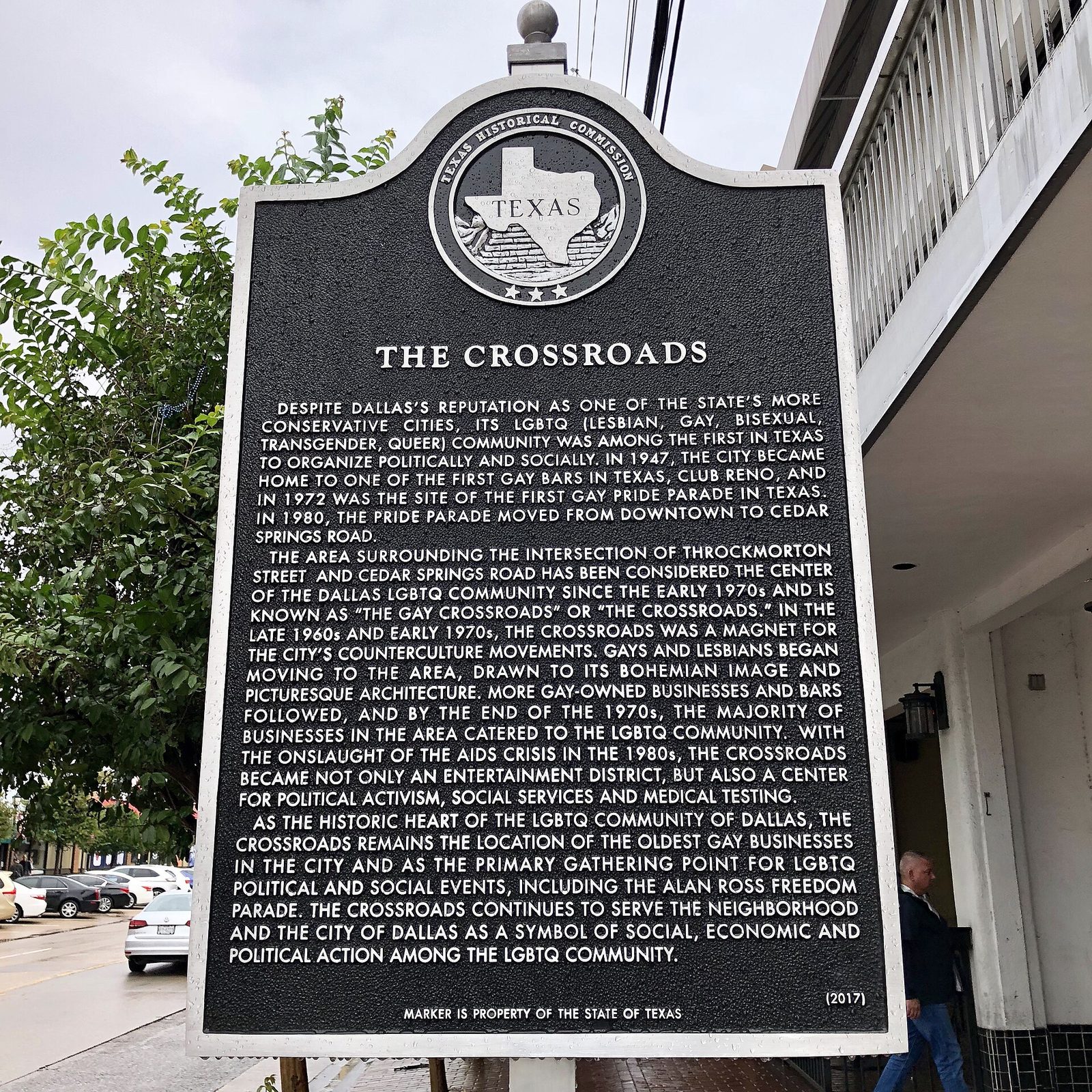
Oak Lawn and Cedar Springs is the historic heart of LGBTQ+ Dallas and the centre of the city’s gay nightlife, with a strip of bars and clubs along Cedar Springs Road. It is also where you will find some of the better old-line Tex-Mex rooms. Lively at night, unremarkable by day.
Koreatown, along Royal Lane in north Dallas, is a genuine food destination with late hours and very little tourist traffic. It needs a car, it is a twenty-minute drive from downtown outside rush hour, and it is the sort of place the ranked lists structurally miss. Our Dallas restaurant guide covers how the city’s immigrant food corridors sit relative to the tourist core.
What Is the West End, and Is It Just for Tourists?
Largely, yes — but it holds two things you will almost certainly want, so the honest advice is to use it rather than avoid it.
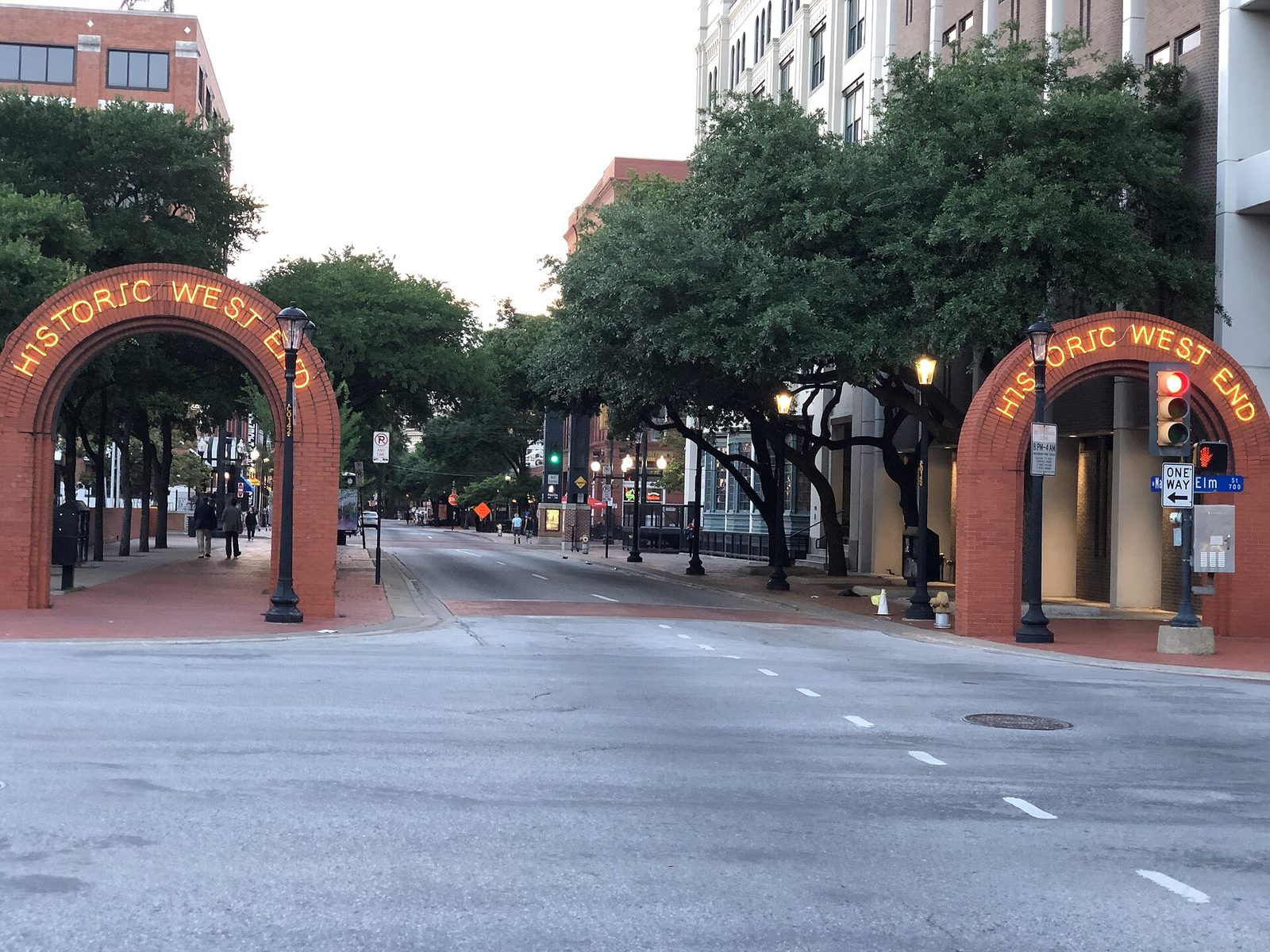
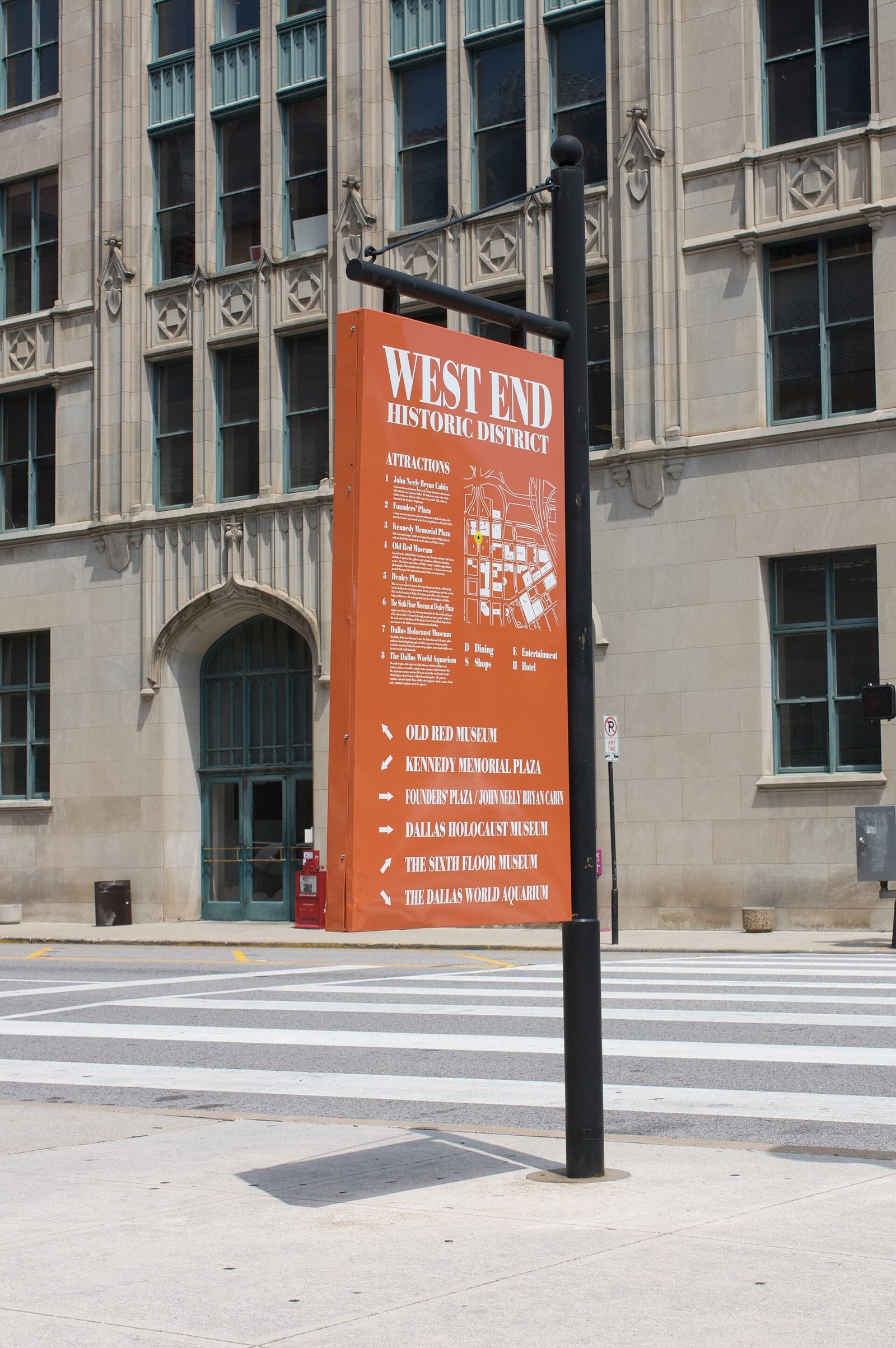
The West End Historic District sits at the north-western corner of downtown, a compact grid of red-brick former warehouses that survived when much of central Dallas did not. It contains Dealey Plaza, which is free and open at all hours, the Sixth Floor Museum at $27 for an adult with a hard last entry at 16:15, and the Dallas World Aquarium at 1801 N. Griffin Street, open daily 08:30 to 17:00 with last entry at 16:00.
A ninety-minute route. Start at the aquarium at 08:30 before the school groups. Walk ten minutes south-west to Dealey Plaza and give it half an hour on foot: the grassy knoll, the triple underpass and the street markings are all there to walk, and many visitors get more from the plaza than from the exhibit. Finish inside the Sixth Floor Museum in the early afternoon. That is the whole district.
Day verdict: necessary, and efficient. Two of the city’s most-visited attractions within a twelve-minute walk of each other.
Night verdict: skip it. There is no reason to be here after 17:00. The restaurants are priced for people who will not walk, and downtown proper is fifteen minutes east for materially better food at the same money.
One thing to expect at Dealey Plaza: informal guides work the sidewalk selling their own accounts of the assassination. They are part of the experience, they are not affiliated with the museum, and you are under no obligation to engage.
What About Fair Park and Victory Park?
Two single-purpose districts that are excellent when their purpose matches yours and empty otherwise.
Fair Park, east of downtown, is a 1936 Texas Centennial Exposition site with one of the largest collections of art deco exposition architecture anywhere, plus museums and the Cotton Bowl. It has its own DART rail station, which makes it one of the easiest outlying districts to reach without a car.
The timing rule is absolute: while the State Fair of Texas runs, Fair Park is the fair. In 2026 that is September 25 to October 18. If you want the architecture, the museums or the grounds in isolation — and the architecture genuinely is worth a visit — go outside those three and a half weeks. Inside them, expect crowds, an admission ticket and a coupon economy for everything beyond the gate.
Victory Park, immediately north-west of downtown, is the arena district: hotels, restaurants and a plaza wrapped around a major indoor venue. On an event night it is exactly what you want and priced accordingly, with hotel rates surging whether or not you hold tickets. On a Tuesday with nothing on, it is a quiet modern development with limited reason to visit. It is on the rail network, so attending an event here without a car is straightforward.
The general principle both illustrate: in Dallas, a district built around one thing is only worth your time when that thing is happening. That is obvious once stated and it is the reason several visitor lists send people to empty plazas on the wrong day.
Which Neighborhoods Work Without a Car?
More than the city’s reputation allows, provided you stay on the spine.
| Neighborhood | Car-free? | How to reach it |
|---|---|---|
| Downtown / Arts District | Yes | Walk; free M-Line Trolley; DART rail |
| Uptown / West Village | Yes | Free M-Line Trolley from the Arts District |
| West End | Yes | Walk from downtown, about 12 minutes |
| Deep Ellum | Yes | Walk 15 minutes east, or DART rail |
| Victory Park | Yes | DART rail |
| Fair Park | Yes | Its own DART rail station |
| Bishop Arts | Rideshare | $15–25 each way; streetcar if timing suits |
| Knox-Henderson, Lower Greenville | Rideshare | $12–20 each way |
| Design District, Trinity Groves | Rideshare or car | Long blocks, little walkable dining |
| Koreatown, North Dallas | No | Drive; 20–30 min from downtown |
The economics are straightforward. A DART Regional Day Pass is $9.00, or $4.50 reduced, and stays valid until 03:00 the following morning, so one pass covers a day of district-hopping and the ride home. The M-Line Trolley is free. Against that, hotel parking runs $25 to $55 a night before you have driven anywhere. For a trip based downtown or in Uptown, not renting a car is usually both cheaper and faster.
How Does Parking Work in Each District?
Badly in some, easily in others, and the difference is worth knowing before you commit to driving.
| District | Parking | Typical cost |
|---|---|---|
| Downtown / Arts District | Garages, plentiful | $10–20 per visit |
| Uptown | Valet, often mandatory | $35–55 |
| Deep Ellum | Paid lots, fills on weekends | $10–20 |
| Bishop Arts | Street and small lots, competitive | Free to $10 |
| Lower Greenville | Street, difficult at night | Free, if you find it |
| Fair Park | Paid, congested on event days | Take the train instead |
| Design District, North Dallas | Surface lots, easy and free | Free |
Two practical notes. Surface lots in every American city are where cars get broken into, so leave nothing visible — this is not a Dallas-specific warning, but Dallas has a lot of surface lots. And on any event day at Fair Park or the arena, driving is the slow option in both directions; the exit at closing time is worse than the arrival.
Which Neighborhoods Change After Dark?
Several, in both directions, and the day-to-night swing here is larger than in most cities.
Downtown empties. The business core goes from busy at 17:00 to deserted by 21:00 on a weeknight. There is nothing inherently dangerous in that, but an empty street at night feels worse than a busy one, and it is why visitors sometimes describe downtown as sketchy when what they mean is silent. Walk on lit, populated routes and use the trolley or a rideshare rather than a long solo walk through office canyons.
Deep Ellum fills. The inverse: quiet in the afternoon, busy and loud from about 20:00, particularly Friday and Saturday. Good energy on the main blocks, ordinary nightlife-district caution late.
The Arts District goes quiet unless there is a performance. Klyde Warren Park keeps some evening life, but the district is not a night-out destination in itself.
Uptown, Lower Greenville and Cedar Springs are at their best after dark. These are the evening districts; visit them in daylight and you will wonder what the fuss is about.
The West End is a daytime district only. It surrounds Dealey Plaza, it serves tourists, and it has little reason to exist after the Sixth Floor Museum closes at 17:00.
How Long Does Each Neighborhood Take?
Realistic times, for planning rather than for marketing.
| Neighborhood | Walk-through | Properly | Best time to go |
|---|---|---|---|
| Arts District | 1 hour | Half a day with two museums | 11:00 opening, Wed–Sun |
| West End and Dealey Plaza | 45 min | Half a day with the museum | Morning; last museum entry 16:15 |
| Deep Ellum | 1 hour | An evening | Lunch for barbecue, 20:00 for music |
| Uptown | 1.5 hours | An evening | Brunch, or 18:00 onward |
| Bishop Arts | 1 hour | Half a day with lunch | From 12:00 |
| Knox-Henderson | 1 hour | A morning | Weekend brunch, before 10:00 |
| Fair Park | 1.5 hours | Half a day with a museum | Outside the State Fair weeks |
| Lower Greenville | 30 min | An evening | After 19:00 |
The planning consequence: two districts a day is the realistic maximum, and one of them should be an evening. Visitors who try for three spend the difference on transit and arrive everywhere slightly rushed. Our Dallas itineraries sequence these into timed days by cluster.
Which Neighborhoods Should Visitors Skip?
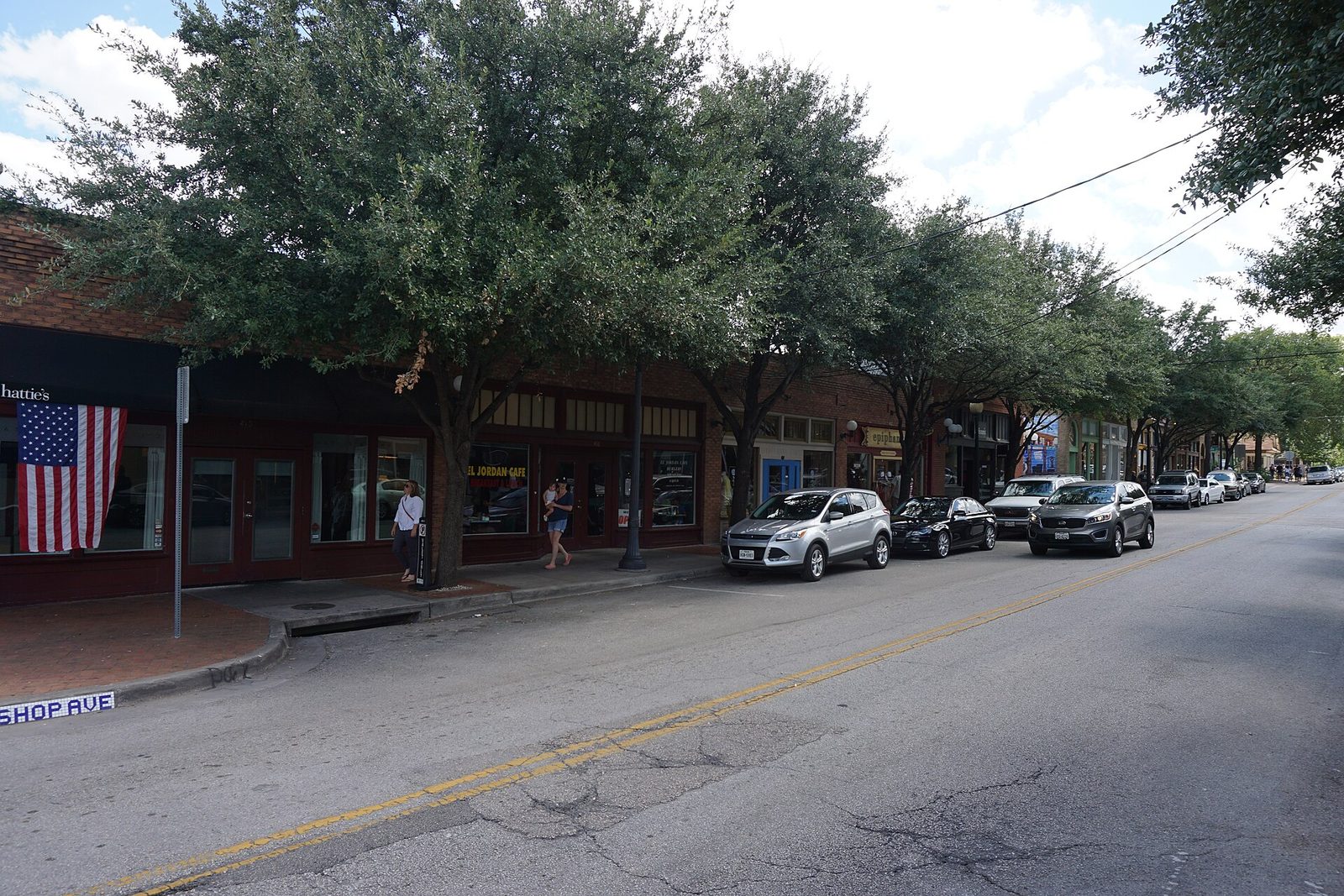
Not for safety — for value. A few districts consistently disappoint people who go out of their way for them.
The West End as anything other than a museum stop. It surrounds Dealey Plaza, it has the Dallas World Aquarium, and beyond those two it is a tourist-priced few blocks with unexceptional food. Do the museum, do the plaza, walk fifteen minutes east for lunch.
The Design District, if you are on foot. Galleries, showrooms and several good boutique hotels, but the blocks are long, built for delivery trucks rather than pedestrians, and thin on walkable dining. With a car it is one of the better-value bases in the city; without one, every evening becomes a rideshare decision.
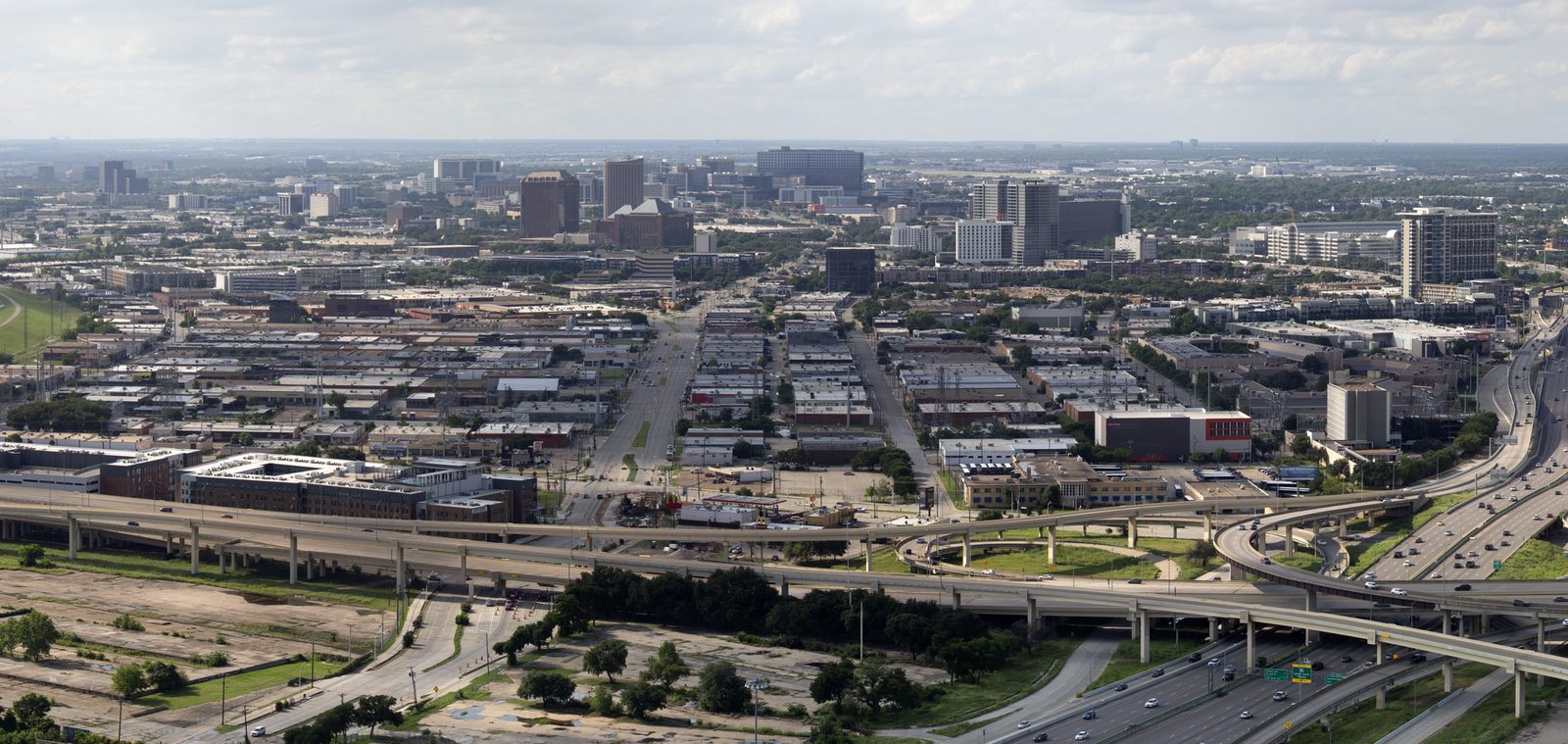
Trinity Groves, unless you specifically want the skyline view. It is a restaurant development at the western end of the Margaret Hunt Hill Bridge with good views back at downtown. It is also a twenty-minute round trip from anywhere and the food is not better than what you would get in Bishop Arts.
Highland Park, unless you like looking at houses. It is a wealthy enclave with an attractive shopping village and very little for a visitor to do. It is frequently listed as a neighborhood to visit and it is really a neighborhood to live in.
And the general rule for this city: a district’s value to you drops sharply with the drive time to reach it. A pleasant neighborhood twenty-five minutes away in traffic is usually worth less than another evening in one you can walk to.
How Do the Districts Connect to Each Other?
This is the part that determines whether your days flow, and it is worth holding in your head as a map rather than a list.
Think of central Dallas as a short north–south spine with two spurs. The spine runs from the West End and downtown up through the Arts District into Uptown and West Village, and it is served end to end by the free M-Line Trolley. Everything on that spine is connected without a car and without a fare.
The first spur runs east: downtown to Deep Ellum, about fifteen minutes on foot and a few minutes on DART rail. The second runs south-west across the Trinity River to Oak Cliff and Bishop Arts, which is a rideshare or the Dallas Streetcar. Fair Park sits east again on its own rail station; the Dallas Zoo sits south with a station at its gate.
| From | To | Time | How |
|---|---|---|---|
| Downtown | Arts District | 10 min | Walk |
| Arts District | Uptown | 15 min | Free M-Line Trolley |
| Downtown | West End | 12 min | Walk |
| Downtown | Deep Ellum | 15 min | Walk, or DART rail |
| Downtown | Bishop Arts | 10–15 min | Rideshare, $15–25 |
| Downtown | Fair Park | 10–15 min | DART rail |
| Uptown | Knox-Henderson | 10 min | Rideshare, or Katy Trail on foot |
| Downtown | Koreatown | 20–30 min | Drive |
Everything in that table outside rush hour. Add half again between about 16:00 and 18:30, which is when a twelve-minute hop becomes a twenty-five-minute one and when most visitors’ plans quietly fall apart. If you need to cross the city, do it before 16:00 or after 18:30.
The other thing the map tells you is what to pair. An Arts District morning pairs naturally with an Uptown evening, because the trolley connects them for free. A West End morning pairs with a Deep Ellum evening, because they are both on the eastern side of downtown. Bishop Arts pairs with nothing — it is its own half-day and should be planned as one, ideally starting around midday when the shops have opened and running through an early dinner.
Frequently Asked Questions About Dallas Neighborhoods
What is the most walkable neighborhood in Dallas?
Uptown and downtown, closely followed by Bishop Arts and Knox-Henderson. All four are genuinely walkable within themselves. The difference is that downtown and Uptown are connected to each other and to the rail network, while Bishop Arts and Knox-Henderson are walkable islands you have to be delivered to.
Which neighborhood is best for a first-time visitor?
Downtown and the Arts District. It puts the Dallas Museum of Art, the Nasher, Klyde Warren Park, Dealey Plaza and the Sixth Floor Museum within walking distance, and the free M-Line Trolley takes you to Uptown for dinner. It is the only base that works for a standard sightseeing trip without a car.
Is Deep Ellum safe at night?
Yes on the main, populated blocks at normal hours. It is a busy entertainment district with the usual entertainment-district caveats late on weekends. Stay on lit streets, and apply the same awareness you would in any nightlife area of a large American city.
How far is Bishop Arts from downtown Dallas?
About four miles southwest, across the Trinity River, which is ten to fifteen minutes by rideshare outside rush hour and $15 to $25 each way. The Dallas Streetcar also links Oak Cliff to downtown; check the current schedule before relying on it.
Which Dallas neighborhood has the best food?
It depends what you want. Deep Ellum for barbecue and casual food you can walk to, Uptown for steakhouses, Bishop Arts for independent kitchens, Oak Lawn for old-line Tex-Mex, Lower Greenville for value, and Koreatown on Royal Lane for the best food a visitor is least likely to find.
Do you need a car to explore Dallas neighborhoods?
Not for the core four — downtown, the Arts District, the West End and Deep Ellum are all connected on foot or by rail, and Uptown is free on the trolley. You need a rideshare for Bishop Arts, Knox-Henderson and Lower Greenville, and a car for Koreatown, the Design District and anything in North Dallas.
What neighborhood is the Dallas Arts District in?
It is part of downtown Dallas, at the northern edge, covering roughly 118 acres along Flora Street and its cross streets. It is the largest contiguous urban arts district in the United States and holds the Dallas Museum of Art, the Nasher Sculpture Center, the Meyerson Symphony Center and the Winspear Opera House, with Klyde Warren Park at its western end.
Where should you go for nightlife in Dallas?
Deep Ellum for live music, Uptown for bars and patios, Cedar Springs in Oak Lawn for LGBTQ+ nightlife, and Lower Greenville for a casual local night. Downtown is not a nightlife district — it empties after work, and the trolley or a short rideshare gets you to one that is.
Several of these districts change character completely after dark, and a few are worth visiting only then. Our Dallas nightlife guide compares Deep Ellum, Uptown, Lower Greenville, Bishop Arts and Cedar Springs on crowd, cost, dress code and — the part that decides your evening — how you get home once the trains stop.
Retail is one of the clearest ways these districts differ. Bishop Arts and Henderson run on independents and vintage; Knox is design and décor; NorthPark and the Galleria are a different category altogether. Our Dallas shopping guide compares them by budget, style and travel time, and explains which ones you can reach without a car.
Deep Ellum, Oak Cliff and the Swiss Avenue district all read differently once you know what they were. Our Dallas history guide covers the music history under the murals, the historic houses and the reason the city’s old buildings stand in isolation rather than in blocks.
After dark the districts stop being interchangeable. Deep Ellum is the loud one, Bishop Arts the walkable independent one on a $1.00 streetcar ride, Uptown the easy one on the free trolley, and Trinity Groves the one with the skyline in the window. The ground between them is highway rather than pavement, so pick one. Our guide to things to do in Dallas at night compares them.
Related Dallas Guides
- Where to Stay in Dallas — the hotel side of the district decision, with transit times, parking, tax and event-week surge pricing.
- Best Restaurants in Dallas — what to eat in each district, with price bands and booking lead times.
- Dallas Itineraries — timed day plans that sequence these neighborhoods by cluster.
- Best Dallas Attractions — which sights sit in which district, with prices and closing days.
- Dallas Events and Festivals — the annual calendar, including the dates that make certain neighborhoods impassable.
- Things to Do in Dallas — the wider view across the city.
Photo Credits
- Deep Ellum mural: photo by cogdogblog, Wikimedia Commons (CC BY 2.0)
- The Crossroads marker, Cedar Springs Road: photo by QuesterMark, Wikimedia Commons (CC BY-SA 2.0)
- Bishop Arts District, Oak Cliff: photo by Michael Barera, Wikimedia Commons (CC BY-SA 4.0)
- Deep Ellum: photo by Brittygriffy, Wikimedia Commons (CC BY-SA 4.0)
- Dallas Design District: photo by IcedCowboyCoffee, Wikimedia Commons (CC0)
- West End Historic District: photo by Jeremy Burgin, Wikimedia Commons (CC BY-SA 2.0)
- Historic West End, Dallas (featured image): photo by Soumyaroop, Wikimedia Commons (CC BY-SA 4.0)
Sources
- Dallas Museum of Art — Hours and Timed Tickets
- Nasher Sculpture Center — Admission and DART Discount
- Klyde Warren Park — Visitor FAQs
- The Sixth Floor Museum — Hours and Last Entry
- Dallas World Aquarium — Hours and Location
- Perot Museum — Parking Rates
- Reunion Tower — Parking
- DART — Fares and Passes
- McKinney Avenue Transit Authority — M-Line Trolley Route
- Dallas Farmers Market — Hours and Location
- State Fair of Texas — Fair Park Dates
- Dallas Arboretum — Visitor Information