Choosing the best restaurants in Dallas is less about finding a single list and more about answering four questions in order: which neighborhood you will actually be in, which of the city’s three signature cuisines you want, how much booking risk you can tolerate, and whether you have a car. Get those right and Dallas feeds you extremely well. Get them wrong and you will spend an evening driving.
Dallas is a genuinely serious food city that is badly served by the standard travel listicle. The fresh ranked lists — and there are many, updated constantly — assume you live here, can drive twenty-five minutes on a Tuesday and can rebook when a place is full. A visitor with four nights, a hotel downtown and no rental car needs something different: a framework that maps cuisine to neighborhood to price to reservation difficulty, and that says plainly when a famous name is not worth the detour.
That is what this guide does. It names institutions where naming them is useful, but the durable value is in the decision structure, because restaurants open and close and the logic of eating in this city does not. Hours and details below were checked in September 2026 against each operator’s own site.
Where to Eat in Dallas at a Glance: Neighborhood, Price and Booking Risk
Dallas dining is organised by district, not by a single restaurant row. This is the map to start from.
| Neighborhood | Known for | Typical dinner, per person | Booking risk | Car needed? |
|---|---|---|---|---|
| Deep Ellum | Barbecue, bars, late food, live music | $20–45 | Low to medium | No |
| Bishop Arts District | Independent kitchens, brunch, small plates | $25–55 | Medium | Yes or rideshare |
| Uptown / Knox-Henderson | Steakhouses, patios, see-and-be-seen | $55–120 | High | No — free trolley |
| Downtown / Arts District | Hotel dining, pre-theatre, business lunch | $35–90 | Medium | No |
| Oak Lawn | Tex-Mex, neighborhood classics | $20–45 | Low | Rideshare |
| Lower Greenville | Casual, loud, good value | $18–40 | Low | Rideshare |
| Trinity Groves / Design District | Skyline views, newer rooms | $35–80 | Medium | Yes |
| Farmers Branch and north suburbs | Destination barbecue | $20–35 | Line, not booking | Yes |
Two lines in that table carry most of the trouble. Uptown is where reservations get hard, particularly Thursday through Saturday, and it is also where prices climb fastest. The best barbecue is not downtown, and some of it is not even in Dallas proper — which is a problem the listicles rarely frame as a logistics decision, though it is entirely a logistics decision.
What Food Is Dallas Actually Known For?
Three things, and one drink. Everything else is a bonus.
Tex-Mex is the city’s native cuisine and the one most visitors misjudge. It is not a lesser version of Mexican food; it is a distinct Texan-American regional cooking with its own canon — yellow cheese enchiladas under chili gravy, fajitas, puffy tacos, queso as a first course. Dallas has been making it commercially for more than a century, and the city’s old-line Tex-Mex houses are institutions in the way a deli is an institution in New York.
Steak is the second pillar, and Dallas takes it more seriously than almost any American city outside of Chicago. Uptown alone holds a concentration of high-end steakhouses that would carry a smaller city entirely, and the Dallas version leans toward large rooms, long wine lists and a level of service formality that has mostly disappeared elsewhere.
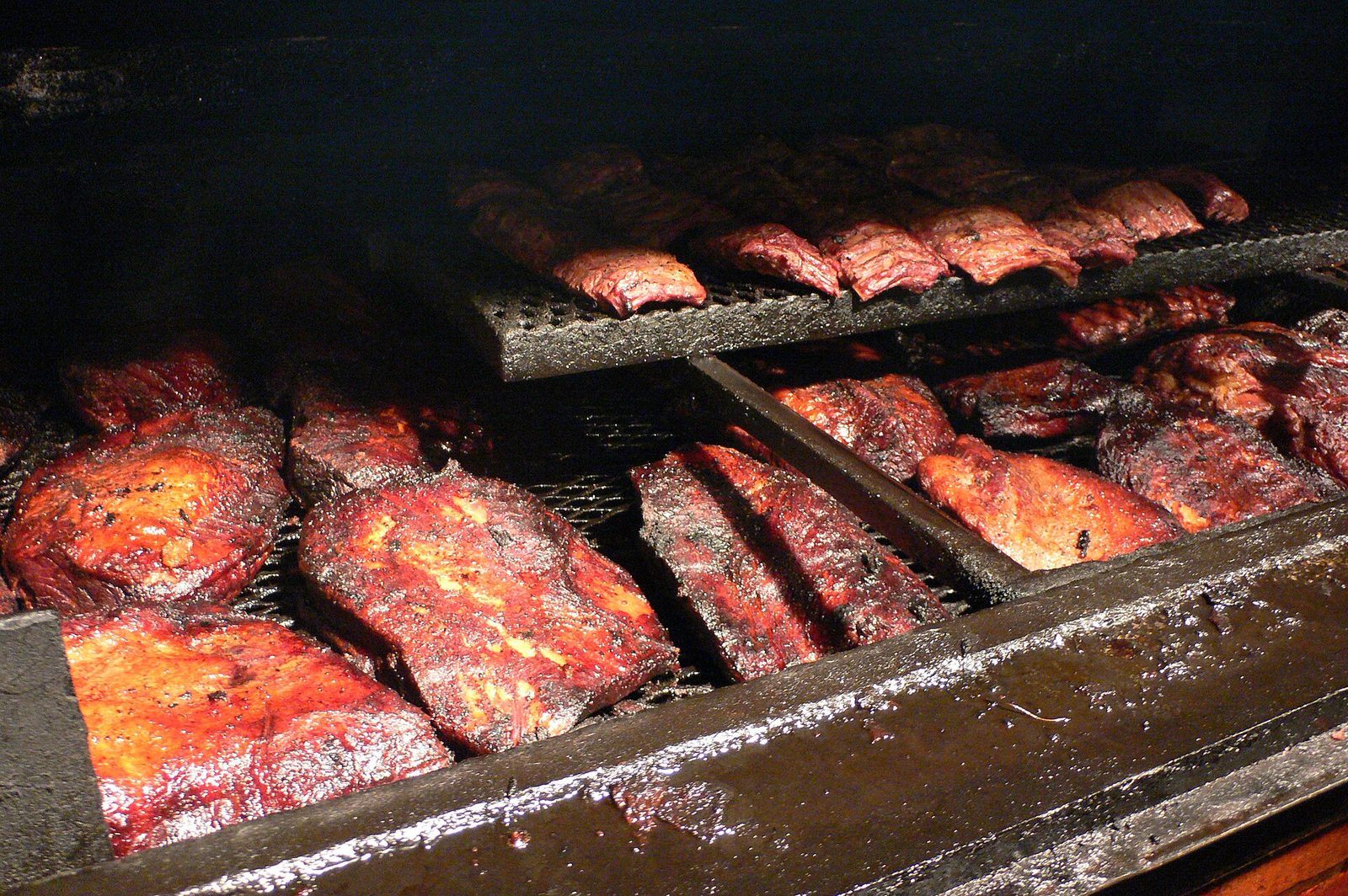
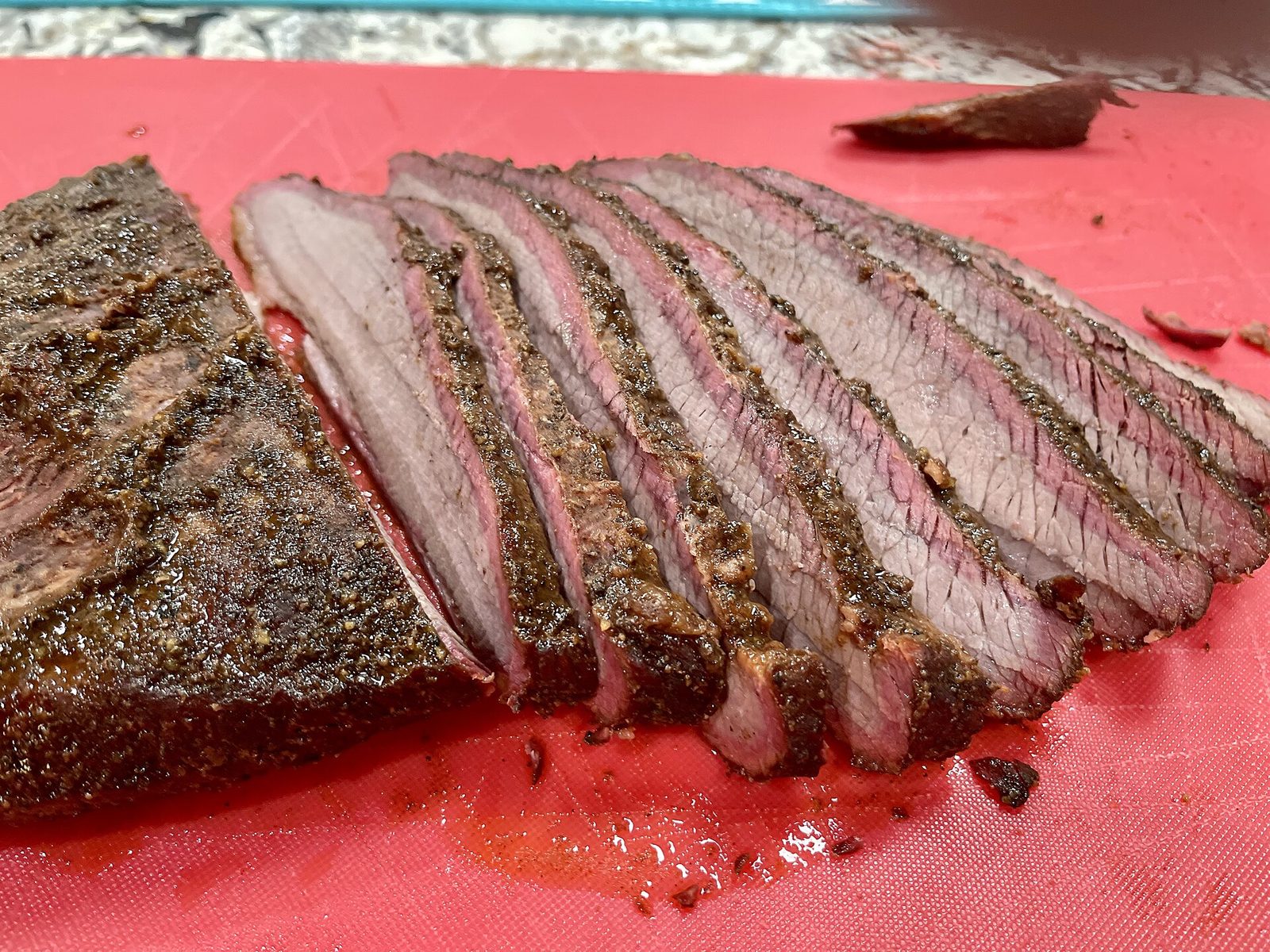
Barbecue is the third, and the most misunderstood. Texas barbecue means beef — brisket above all, then beef ribs and sausage — cooked over post oak, sold by the pound, served on butcher paper. Sauce is optional and in the best places slightly beside the point. Dallas spent decades in Austin’s shadow on this and no longer needs to.
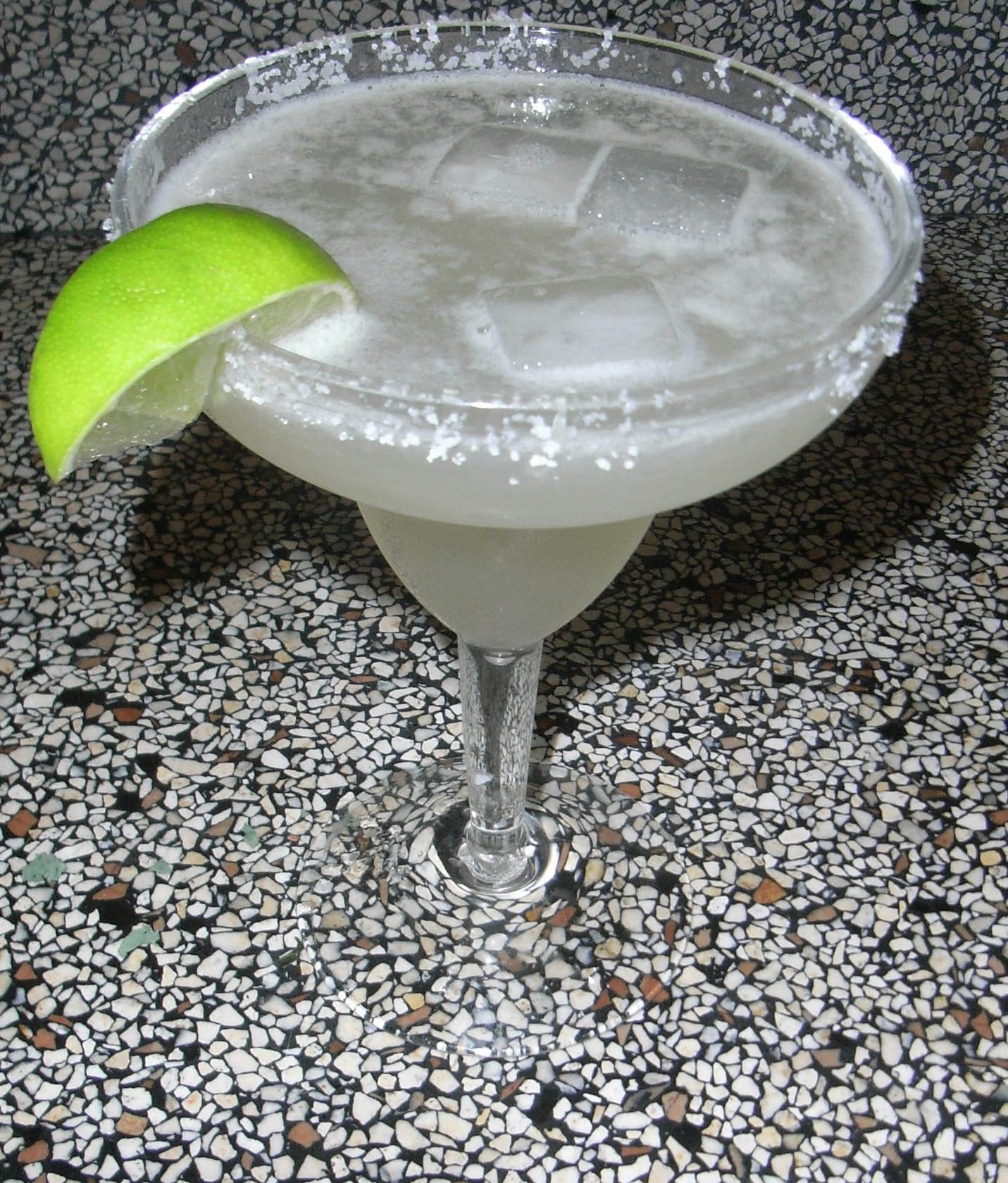
The drink is the frozen margarita, which was invented here. In 1971 a Dallas restaurateur named Mariano Martinez adapted a soft-serve ice cream machine to dispense margaritas at his Oak Lawn restaurant, solving a bartender’s consistency problem and accidentally creating a global category. The original machine ended up in the Smithsonian’s collection. Order one somewhere with a proper machine and you are drinking a piece of local industrial history.
Beyond the big three, Dallas has a deep and genuinely excellent immigrant food scene — Vietnamese along Garland Road and in Richardson, a large and well-established Indian and Pakistani corridor north of the city, Ethiopian, Salvadoran, Korean. Almost none of it is downtown, which is the recurring theme of eating in this city.
There is also a category that visitors rarely plan for and always enjoy: the Texas roadhouse standards that are not fashionable and not going anywhere. Chicken-fried steak under cream gravy. Fried catfish. Kolaches, brought to central Texas by Czech settlers and now a normal breakfast item in gas stations and bakeries across the state. Frito pie at the State Fair. None of these will appear on a best-of list and all of them tell you more about how Texas actually eats than another tasting menu will.
What Dallas is not known for is worth saying too, because it manages expectations. It is not a seafood city by nature, not a pizza city, and not a city with a signature sandwich. If you arrive looking for the Dallas equivalent of a New Orleans po’ boy or a Philadelphia cheesesteak, there isn’t one — the city’s identity is built on beef, cheese, chiles and smoke, and it commits to that completely.
Which Dallas Neighborhood Should You Eat In?
Pick the district first and the restaurant second. This is the opposite of how most visitors do it, and it is why so many Dallas dinners involve a forty-minute drive.
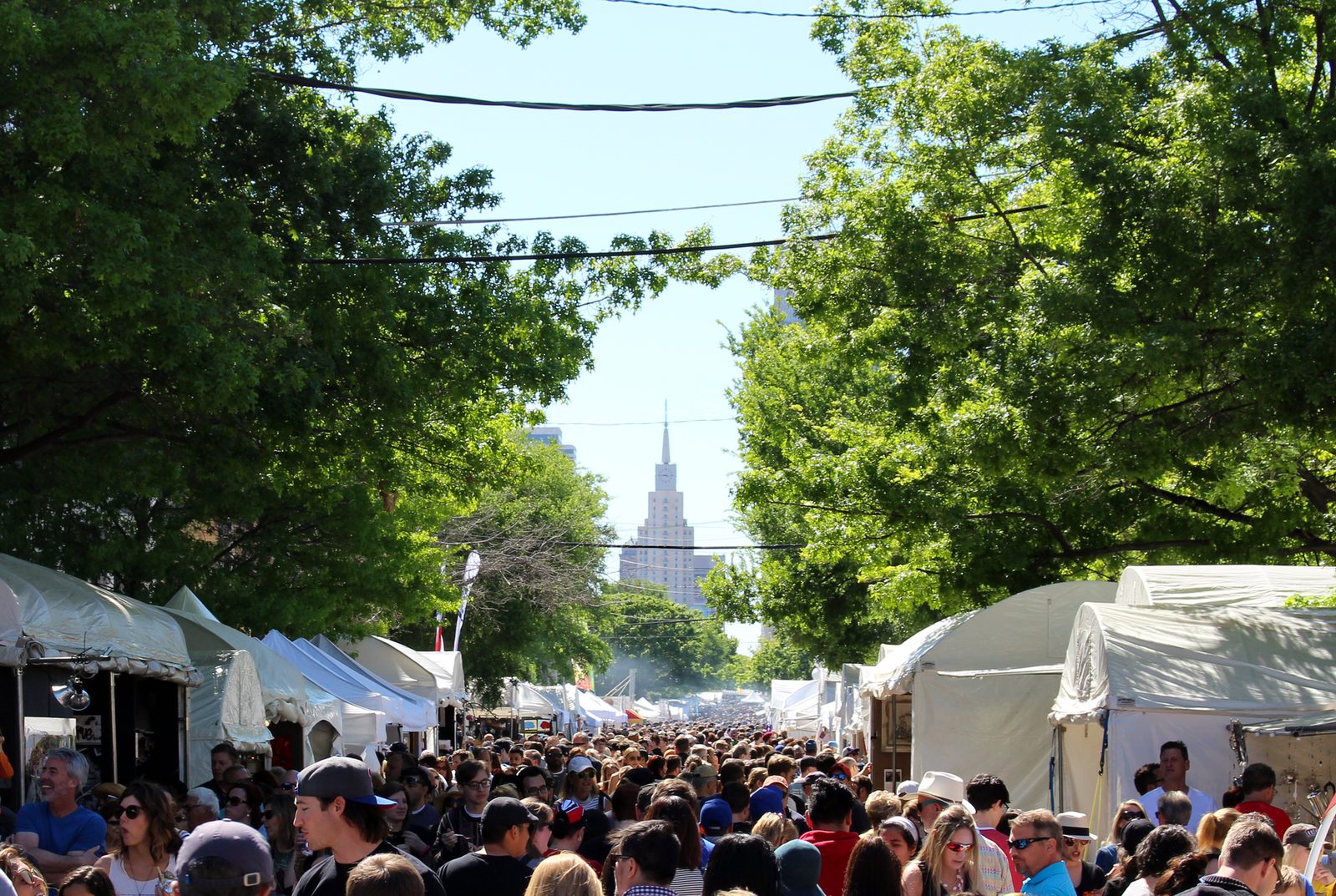
If you are staying downtown and have no car, eat in Deep Ellum and the Arts District. Deep Ellum is a ten-minute walk or a short rail hop east of downtown, and it holds the highest concentration of good food you can reach on foot. The Arts District handles pre-theatre and hotel dining well but is quiet after the curtain goes up.
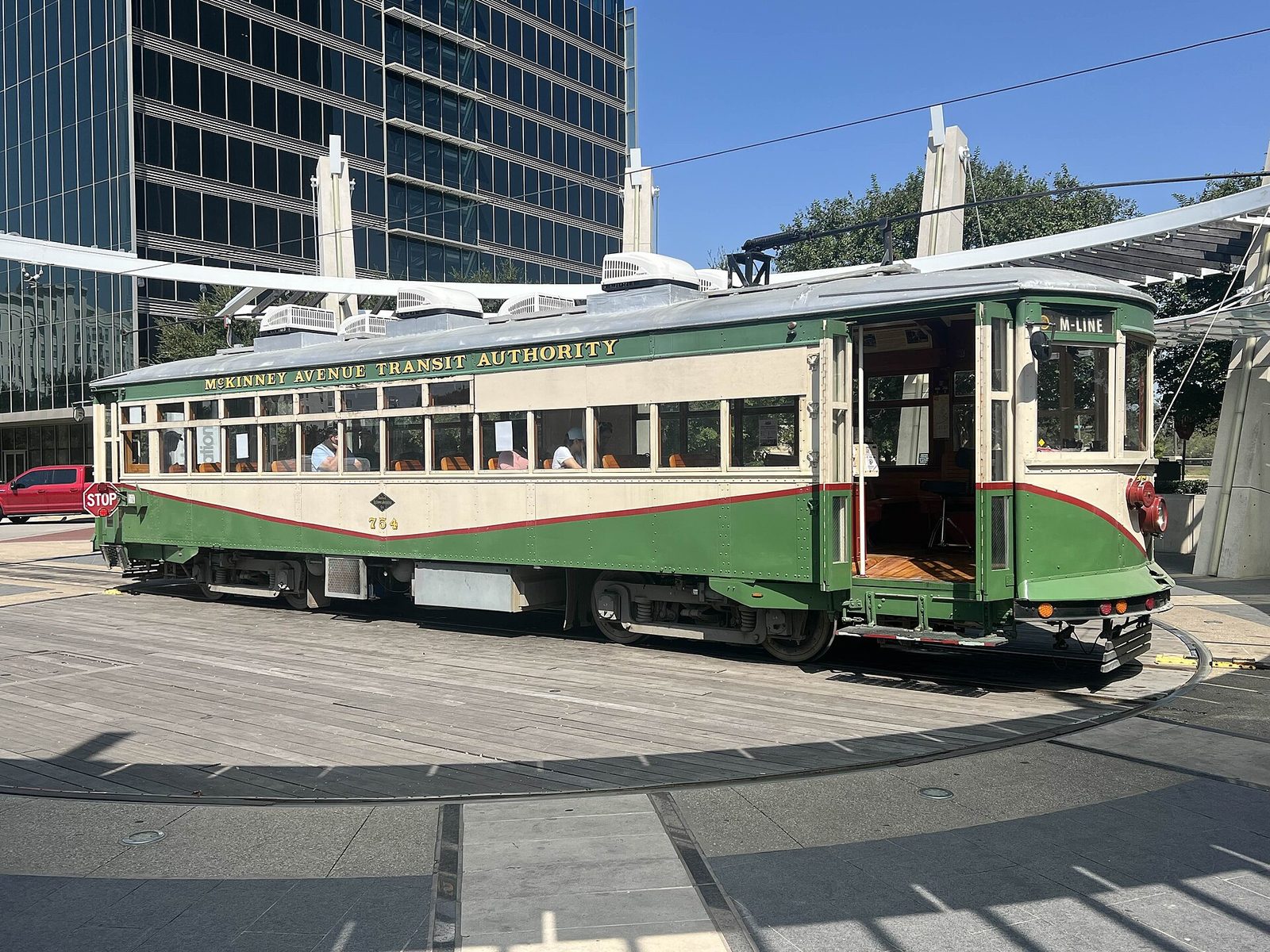
If you want the classic Dallas night out, go to Uptown. The free M-Line Trolley runs from the Arts District through Uptown to West Village at no charge, which makes the whole corridor accessible without a car or a parking fee — a fact worth more than it sounds when Uptown valet is $15 and up.
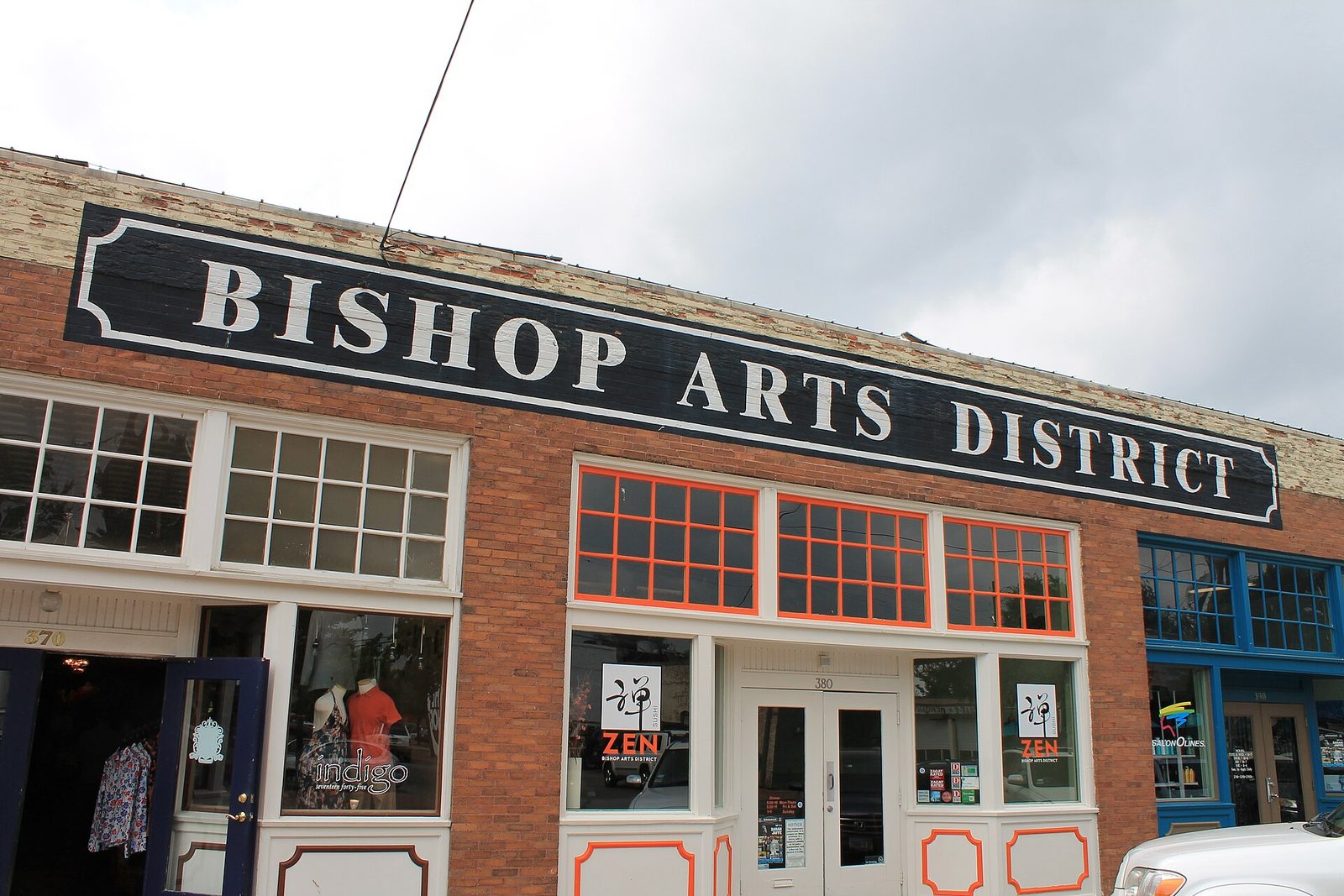
If you want independent kitchens and a walkable evening, go to Bishop Arts in Oak Cliff, across the Trinity River southwest of downtown. It is the most charming few blocks in the city for eating — small rooms, short menus, owners on the floor — and it requires a rideshare each way, which most visitors decide is worth it.
If you want value and volume, Lower Greenville is where locals eat on a Tuesday. Loud, casual, cheaper, and much less likely to require a reservation.
Pair your eating district with your daytime plan rather than treating them as separate decisions. A day in the Arts District, covered in our guide to the best Dallas attractions, ends naturally in Uptown via the trolley. A day at Dealey Plaza and the West End ends naturally in Deep Ellum.
How Do You Get Texas Barbecue Right as a Visitor?
By treating it as an appointment rather than a meal option. This is the single biggest gap between how locals and visitors eat in Dallas.
Texas barbecue is made once a day. When the brisket is gone, service ends, regardless of what the posted hours say. Pecan Lodge in Deep Ellum — the most famous barbecue address inside the city — publishes hours of 11:00 to 15:00 on Monday, 11:00 to 20:00 Tuesday through Thursday, 11:00 to 21:00 Friday, 11:00 to 22:00 Saturday and 11:00 to 21:00 Sunday, and then adds the phrase that governs everything: or until we’ve sold out. Arrive at 13:00 on a Saturday and you are fine. Arrive at 19:30 hoping for beef ribs and you may be choosing from what is left.
Then there is the suburban problem. Cattleack Barbeque, widely rated among the best in the entire Dallas–Fort Worth area, is open Wednesday, Thursday and Friday from 10:00 to 14:00, plus the first Saturday of the month, at 13628 Gamma Rd in Farmers Branch — an office park about twenty minutes north of downtown. The operator’s own site is blunt about it: the lunch line can form early and the meats sometimes sell out. This is not a restaurant you fit around your day. It is a day.
| Barbecue decision | What it costs you | Do it if… |
|---|---|---|
| Deep Ellum, walkable, lunch | Nothing but timing | You are downtown without a car — this is the default |
| Suburban destination joint, weekday lunch | A car and half a day | Barbecue is a reason you came to Texas |
| Dinner-time barbecue anywhere | Reduced selection | You only want brisket and sides, not the rare cuts |
| Hotel or chain barbecue downtown | Money, for less | Honestly, don’t — walk to Deep Ellum instead |
Order by the pound, not by the plate, if there are two or more of you: half a pound of moist brisket, a beef rib to share, a link of sausage, and two sides. Ask for moist — sometimes called fatty — rather than lean. Lean brisket is the cut you order if you do not like brisket.
Is Tex-Mex Worth Ordering Over “Real” Mexican Food?
Yes, and the framing of the question is the mistake. Tex-Mex is not a compromise version of Mexican cooking; it is a separate regional cuisine that happens to have been invented in Texas by Tejano cooks, and Dallas is one of its two capitals.
What to order if you have never had it properly: a plate of cheese enchiladas with chili gravy, which is the dish the whole cuisine is built around and which bears almost no relationship to enchiladas in Mexico. Queso — melted chile con queso, scooped with chips — as a starter. Fajitas if there are several of you, because they are designed to be shared. A frozen margarita, for the reason described above.
What to order if you want cooking from Mexico rather than Texas: Dallas has substantial regional Mexican restaurants, particularly in Oak Cliff and along the Jefferson Boulevard corridor, and they are worth seeking out. But do not go looking for them and then complain that the old-line Tex-Mex houses are not doing the same thing. They are doing something else, on purpose, and have been for a hundred years.
The honest caveat: a lot of Tex-Mex in tourist-facing parts of the city is mediocre — heavy, over-cheesed and under-seasoned. The good rooms are generally the old ones and the family-run ones, and they are more often in Oak Lawn, Oak Cliff and the older residential neighborhoods than on a downtown hotel block.
Two markers separate a serious Tex-Mex room from a tourist one. The first is the chips and salsa, which arrive free and unasked and which tell you within thirty seconds whether anyone in the kitchen cares — warm, thin, lightly salted chips and a salsa with actual heat, versus cold chips from a bag and a bowl of sweetened tomato. The second is whether the menu has a chili gravy enchilada at all. Rooms chasing the visitor dollar quietly drop it because it photographs badly; rooms that know what they are drop everything else first.
On the Fort Worth question, since it comes up: the two cities do not eat the same way, and pretending otherwise is how visitors end up disappointed. Fort Worth leans harder into the cattle-town identity, with the Stockyards and its steak rooms. Dallas is the more varied and more international of the two. If you have one evening, eat it in Dallas; Fort Worth deserves a whole day of its own, and squeezing it into an afternoon ruins both.
Do You Need a Dallas Steakhouse Reservation?
For anything at the top end on a Thursday, Friday or Saturday, yes, and further ahead than you expect. Dallas steakhouses run at capacity in a way that surprises visitors from cities with more restaurants per head.
The practical rule: two weeks for a Saturday at a marquee Uptown room, three to four days for a weeknight, and same-day is realistic only at the bar or at 17:30. Many of the best rooms hold bar seating for walk-ins and serve the full menu there, which is the move nobody tells you — you get the same steak, a shorter wait and often a better conversation with the staff.
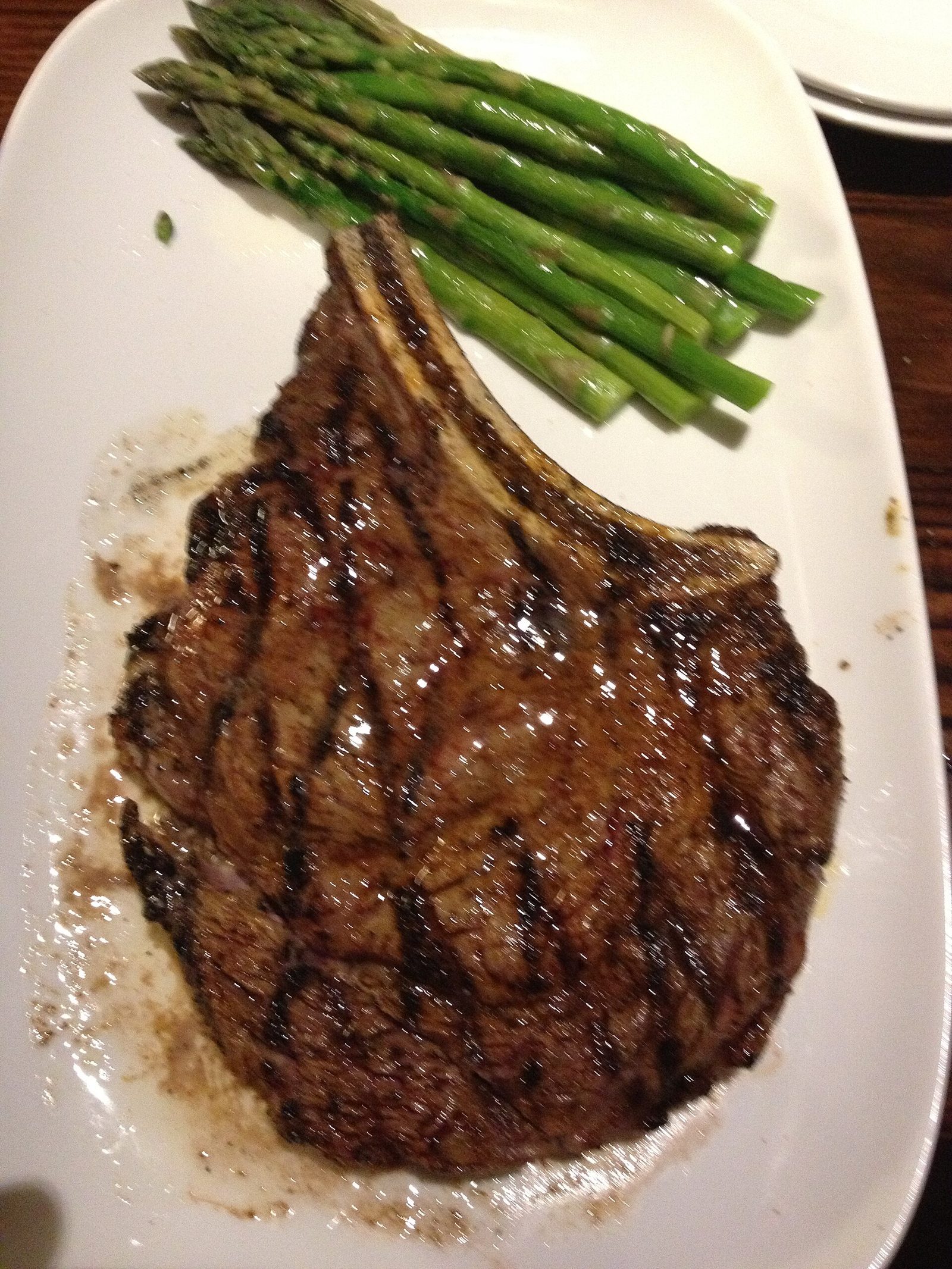
On cost: expect $55 to $120 per person before wine at the serious places, and understand that Dallas steakhouses price sides separately in a way that adds up fast. Three couples ordering creamed spinach, potatoes and mushrooms “for the table” have added roughly the price of a fourth steak.
Is it worth it? If you eat steak, genuinely yes — this is one of the two or three best steak cities in the United States and the quality at the top is not matched at home for the same money in most places. If you are indifferent to steak, spend that budget on two excellent meals in Bishop Arts instead. There is no obligation to do the Dallas steakhouse thing just because Dallas does it well.
How Far Ahead Should You Book a Table in Dallas?
It varies more by category than by individual restaurant, which makes it forecastable.
| Category | Friday / Saturday | Weeknight | Walk-in odds |
|---|---|---|---|
| High-end Uptown steakhouse | 2–3 weeks | 3–4 days | Bar only, arrive 17:30 |
| Tasting-menu or counter seating | 4–8 weeks | 2–3 weeks | Effectively zero |
| Bishop Arts independents | 1 week | 1–2 days | Fair before 18:00 |
| Deep Ellum casual | Few days or none | None needed | Good |
| Old-line Tex-Mex | Often no bookings | None needed | Good, expect a wait |
| Barbecue | Never — it’s a line | Never | Go early, not late |
| Brunch anywhere popular | 1 week, or 09:00 walk-in | N/A | Good before 10:00 |
Two Dallas-specific timing notes. Sunday brunch is a genuine institution here and the 11:00 to 13:00 window is the busiest restaurant period of the entire week in several neighborhoods — go at 09:30 and you will walk into almost anywhere. And during the State Fair of Texas, which runs September 25 to October 18 in 2026, restaurants near Fair Park and in Deep Ellum fill earlier and stay full later than their normal pattern.
Is Dallas Brunch Worth the Hype?
Yes, and it is the meal most visitors underrate. Weekend brunch in Dallas is not an afterthought bolted onto a lunch menu; it is a distinct restaurant occasion with its own rooms, its own crowd and its own pricing, and several kitchens put their best work into it.
The reason is partly climate and partly culture. For eight months of the year the only comfortable time to sit outside is late morning, so patios that are unusable at 19:00 in July are excellent at 10:00 in October. Dallas built a patio-brunch habit around that fact, and the result is that a Saturday or Sunday late morning is the single most competitive restaurant slot of the week.
What to order: migas, which is eggs scrambled with tortilla strips, cheese, chiles and onion, and which is the most Texan thing on any brunch menu. Chicken and waffles, which Dallas does unusually well. Breakfast tacos, which cost a few dollars and are a legitimate meal. Anything involving biscuits.
The timing rule matters more than the restaurant choice. Arrive by 09:30 and you will walk into almost anywhere; arrive at 11:30 and you will wait an hour. That gap is the difference between a relaxed meal and a morning spent on a sidewalk holding a pager. If you cannot go early, book a week out for anywhere popular, and treat 13:30 as a viable second window once the first rush clears.
The honest note: brunch in Dallas is not cheap. Eighteen to thirty-five dollars a head before drinks is normal, and bottomless mimosa deals frequently cost more than they save unless you genuinely intend to drink four glasses before noon. If you want the Texas breakfast without the occasion, a taqueria at 08:00 will feed you better for a quarter of the money.
What Does a Dallas Food Day Actually Look Like?
Abstract advice is easy to agree with and hard to use. Here are three worked days, each built around a different base and budget, all assuming no rental car unless stated.
| Day type | Morning | Midday | Evening | Cost per person |
|---|---|---|---|---|
| Classic first visit | Breakfast tacos downtown | Barbecue in Deep Ellum, early | Uptown steakhouse via free trolley | $95–150 |
| Budget day | Coffee and a pastry | Farmers Market food hall | Old-line Tex-Mex in Oak Lawn | $35–50 |
| Food-first day, car needed | Suburban barbecue at 10:30 | Light — you just ate a pound of beef | Bishop Arts independent | $70–110 |
The pattern under all three is the same: one big meal, one light meal, one cheap meal, clustered by district. Visitors who try to eat three significant meals a day in three different parts of Dallas end up spending more time in cars than at tables, and eating worse for more money.
One sequencing note specific to this city. Barbecue is a midday meal here, not an evening one, and building your day around that single fact fixes most Dallas dining problems. It means your expensive dinner does not compete with a pound of brisket, it means you arrive while the good cuts are still available, and it means your afternoon museum visit happens while you digest rather than while you queue.
Where Can You Eat Well Without a Car?
More of the city than its reputation allows, but you have to know the three corridors.
The free M-Line Trolley corridor is the best of them. It costs nothing, it is sponsor-supported with donations optional, and it links the Arts District, downtown, Klyde Warren Park, Uptown and West Village — which is to say it connects your hotel to the steakhouse district and the patio bars for free. It meets the DART rail network at CityPlace/Uptown Station.
Deep Ellum is walkable from downtown and on the rail network, and it is the single best car-free eating district in Dallas: barbecue, tacos, bar food, late kitchens and live music in a few blocks.
Downtown and the Arts District cover breakfast, lunch and pre-theatre dinner comfortably. Klyde Warren Park’s rotating food trucks and permanent dining partners handle a casual lunch for very little money, outdoors, at no admission cost.
A DART Regional Day Pass is $9.00, or $4.50 reduced, and stays valid until 03:00 the following morning — meaning one pass covers your museum day and your dinner across town and the ride home afterwards. What you cannot reach comfortably on transit: Bishop Arts, Trinity Groves, Lower Greenville and every destination barbecue joint in the northern suburbs. Budget for rideshare on those nights and stop trying to make the bus work.
What Should You Actually Order?
The question nobody answers. Here is the signature order in each category, the thing to get if you only get one.
| Cuisine | Order this | Skip this | Roughly |
|---|---|---|---|
| Barbecue | Moist brisket by the half pound, one beef rib to share | Lean brisket, barbecue chicken | $25–35 pp |
| Tex-Mex | Cheese enchiladas with chili gravy; queso to start | Anything described as “authentic” | $20–35 pp |
| Steakhouse | Bone-in ribeye, one side between two | Ordering a side each | $55–120 pp |
| Brunch | Migas or chicken and waffles | The 11:30 seating | $18–35 pp |
| Drinks | A frozen margarita, from a proper machine | A hotel-bar frozen margarita | $12–18 |
| State Fair, in season | A corny dog, and one fried thing | Trying to do the fair cheaply | Coupons, and many of them |
One more: if a barbecue counter offers burnt ends or a daily special written on a whiteboard, that is the order. Whiteboard items are what the pitmaster is proud of that day and they run out first.
How Do You Eat Well in Dallas on a Budget?
Easily, provided you stop eating in hotel districts. Dallas has one of the better cheap-eating scenes in the country and it is almost entirely outside the tourist core.
Lunch is the lever. The same kitchens that charge $70 at dinner frequently run a $20 to $28 lunch, and Dallas business-lunch culture means the midday menus at serious restaurants are real rather than token. Eating your good meal at noon and something casual at night can halve a dining budget without lowering the quality.
Barbecue by the pound is the best value meal in the city. Two people sharing three-quarters of a pound of meat and two sides will eat extremely well for under $50 total, and the setting is a counter and a roll of paper towels, which is the correct setting.
Tex-Mex is the second lever — old-line neighborhood rooms run $20 to $30 a head including a drink. And the Dallas Farmers Market charges nothing to enter: the indoor Market hall with its food stalls runs daily 10:00 to 19:00 at 920 S. Harwood Street, while the open-air Shed with the produce growers runs Saturday 09:00 to 17:00 and Sunday 10:00 to 17:00 only. Visitors regularly turn up on a Wednesday expecting farmers and find a food hall instead — still good, just not what they came for.
Where Does Dallas Dining Fall Short?
It is worth saying plainly, because no list will.
The tourist core is the weakest part of the city for food. The blocks immediately around the convention center and the larger downtown hotels are dominated by chains and hotel restaurants charging destination prices for average cooking. If your hotel is there, treat its restaurant as breakfast only and go elsewhere at night.
Distances are real and rideshare adds up. Three dinners in three different districts can mean $60 to $90 in fares across a trip. Cluster your eating by district to avoid it.
Dallas is not a late-night eating city by national standards. Outside Deep Ellum and a few Uptown blocks, kitchens close earlier than visitors from New York or Chicago expect — often 22:00 on a weeknight. If you land at 21:00, plan your first meal before you arrive rather than after.
And the famous places are often the least interesting. Several of the most photographed restaurants in the city coast on the view or the room. The good rule in Dallas is that the quality-to-fame ratio improves the further you get from a skyline photograph.
Can You Eat Vegan, Halal or Gluten-Free in Dallas?
All three, well, though the geography differs by category.
Vegan is comfortably served. Dallas has a settled plant-based scene concentrated in Oak Cliff, Deep Ellum and Lower Greenville rather than downtown, and most serious restaurants will handle a vegan diner with notice. The category where it is genuinely hard is barbecue — sides are frequently cooked with meat, so ask rather than assume.
Halal is well provided for, largely because of the substantial South Asian and Middle Eastern communities north of the city in Richardson, Plano and Irving. Inside Dallas proper the options are thinner and concentrated along specific corridors; a visitor staying downtown should expect a drive or a rideshare rather than a walk.
Gluten-free is the easiest of the three, partly because Tex-Mex is corn-based by default. Corn tortillas, fajitas, queso, most barbecue and every steakhouse main are naturally gluten-free, though flour tortillas, chili gravy and barbecue sauces are common exceptions worth confirming.
For all three, the practical advice is the same and is worth following: call ahead rather than relying on a filter in an app. Dallas kitchens are accommodating in person and inconsistently documented online.
Frequently Asked Questions About Dining in Dallas
What is the one meal you should not leave Dallas without eating?
Brisket, if you have never had proper Texas barbecue — it is the thing this state does better than anywhere. If you have, then cheese enchiladas with chili gravy at an old-line Tex-Mex house, because that dish barely exists outside Texas and the versions here are the reference standard.
How much should you budget per day for food in Dallas?
Around $60 to $80 per person per day eats very well: a light breakfast, a barbecue or Tex-Mex lunch and a solid neighborhood dinner. Add a steakhouse night and that day alone runs $100 to $160 before wine. At the low end, $35 to $45 a day is entirely workable if you lean on lunch specials and the Farmers Market.
Is Deep Ellum safe for dinner?
Yes, on the main blocks and at normal dining hours. It is a busy entertainment district with the usual entertainment-district caveats late at night on weekends. Stay on the lit, populated streets, and treat it as you would any nightlife area in a large American city.
Do Dallas restaurants add automatic gratuity?
Many add it for parties of six or more, and some add a service or kitchen fee that is not a tip. Read the bottom of the check before tipping on top. Standard tipping otherwise is 18 to 20 percent.
What is the dress code at a Dallas steakhouse?
Smart casual covers nearly everything — a collared shirt or a dress, closed shoes. Dallas dresses up more than most American cities and you will feel underdressed in shorts at any serious room, even in August. Jackets are rarely required and frequently worn anyway.
Where should you eat near the Sixth Floor Museum?
The West End immediately around Dealey Plaza is mostly tourist-priced and unexceptional. Walk fifteen minutes east into downtown proper, or take the short hop to Deep Ellum, and the quality jumps for the same money.
Can you get good seafood in Dallas?
Better than a landlocked city has any right to, because the Gulf is a five-hour truck drive and the money here supports it. It will not be cheap, and it is not what the city is for — if your trip has one splurge dinner in it, spend it on beef.
Is the State Fair food worth doing?
Once, and with clear eyes. The fried-food midway is a genuine Texas spectacle and the corny dog is a legitimate institution. But admission, food and rides all run on separately purchased coupons, and a family can spend well over $150 in an afternoon without noticing. Go for the experience, not the value.
One last point that decides more dinners than any menu: your hotel. Staying on the free trolley corridor puts the Uptown restaurant strip and the Arts District within reach at no transport cost, while a cheap room out by the highway quietly adds $30 to $50 a night in rideshare. Our guide to choosing a Dallas base works through the trade-offs area by area.
If you are unfamiliar with the geography behind those district names, our guide to the Dallas neighborhoods maps how they connect — which ones are walkable from downtown, which need a rideshare, and how long each is worth. Deep Ellum and the Arts District are on foot from the core; Bishop Arts and Lower Greenville are not.
Dinner is usually the first half of the evening here. If you are planning what happens afterwards, our Dallas nightlife guide covers the bar districts, the dress codes that catch visitors out, and which neighborhoods still serve food after midnight.
Related Dallas Guides
- Best Dallas Attractions — prices, closing days and running order for the museums and sights, so you can pair the eating district with the daytime plan.
- Things to Do in Dallas — the wider view of neighborhoods, nightlife and seasonal events across the city.
Photo Credits
- Deep Ellum, Dallas: photo by IcedCowboyCoffee, Wikimedia Commons (CC0)
- Smoked brisket: photo by Johnsparks75, Wikimedia Commons (CC BY-SA 4.0)
- Bishop Arts District: photo by Renelibrary, Wikimedia Commons (CC BY-SA 3.0)
- Margarita: photo by Akke Monasso, Wikimedia Commons (CC BY-SA 3.0)
- Bone-in ribeye: photo by danielhallpresentsdotcom, Wikimedia Commons (CC BY 3.0)
- M-Line Trolley at Uptown Station: photo by Pooryorick22, Wikimedia Commons (CC BY-SA 4.0)
- Briskets and ribs in the pit (featured image): photo by Heather Cowper, Wikimedia Commons (CC BY 2.0)
Sources
- Pecan Lodge — Hours and Locations
- Cattleack Barbeque — Hours and Location
- Dallas Farmers Market — The Shed and The Market Hours
- Klyde Warren Park — Food Trucks and Dining Partners
- DART — Fares and Passes
- McKinney Avenue Transit Authority — M-Line Trolley
- State Fair of Texas — 2026 Dates and Admission
- Visit Dallas — Restaurants and Dining Districts
- The Sixth Floor Museum — Location and Visitor Information
- Dallas Arboretum — Visitor Information