This Dallas travel guide is built around the questions people actually ask before booking: how long to come for, when to come, what it costs, whether you need a car, and whether the city is worth the trip at all. The short answers are three to four days, October or April, about $200 to $280 a day for two, probably not if you stay central, and yes — with caveats that most guides skip.
Dallas is a city that rewards planning more than most and punishes improvisation more than almost any. It is enormous, it is flat, it is hot for a third of the year, and its best attractions keep hours that will surprise you. There is no accidental great day in Dallas the way there is in New Orleans or Chicago; there is a very good day if you set it up and a frustrating one if you do not.
What follows is a candid first-timer framework: trip length, timing, budget, airports, safety, international practicalities and the mistakes that cost people their first afternoon. Itineraries, hotel choice and getting around have their own detailed guides, linked where they belong. Everything below was checked in September 2026 against first-party sources.
Dallas Trip Planning at a Glance
The fast version, for anyone deciding whether to keep reading.
| Question | Short answer | The catch |
|---|---|---|
| How long? | 3 full days; 4 with a day trip | 2 days works only if you stay central |
| Best month? | October, then April | October is also the priciest and wettest |
| Which airport? | DFW for range, Love Field for ease | DFW is 26.9 square miles — allow time |
| Need a car? | No, if you stay downtown or Uptown | Yes for the Arboretum, Bishop Arts, Arlington |
| Daily budget, two people | $200–280 excluding hotel | Halves in low season, doubles at a steakhouse |
| Which day to arrive? | Wednesday | Monday and Tuesday close most museums |
| Biggest rookie error | Underestimating distance and heat | Six miles can be thirty-five minutes |
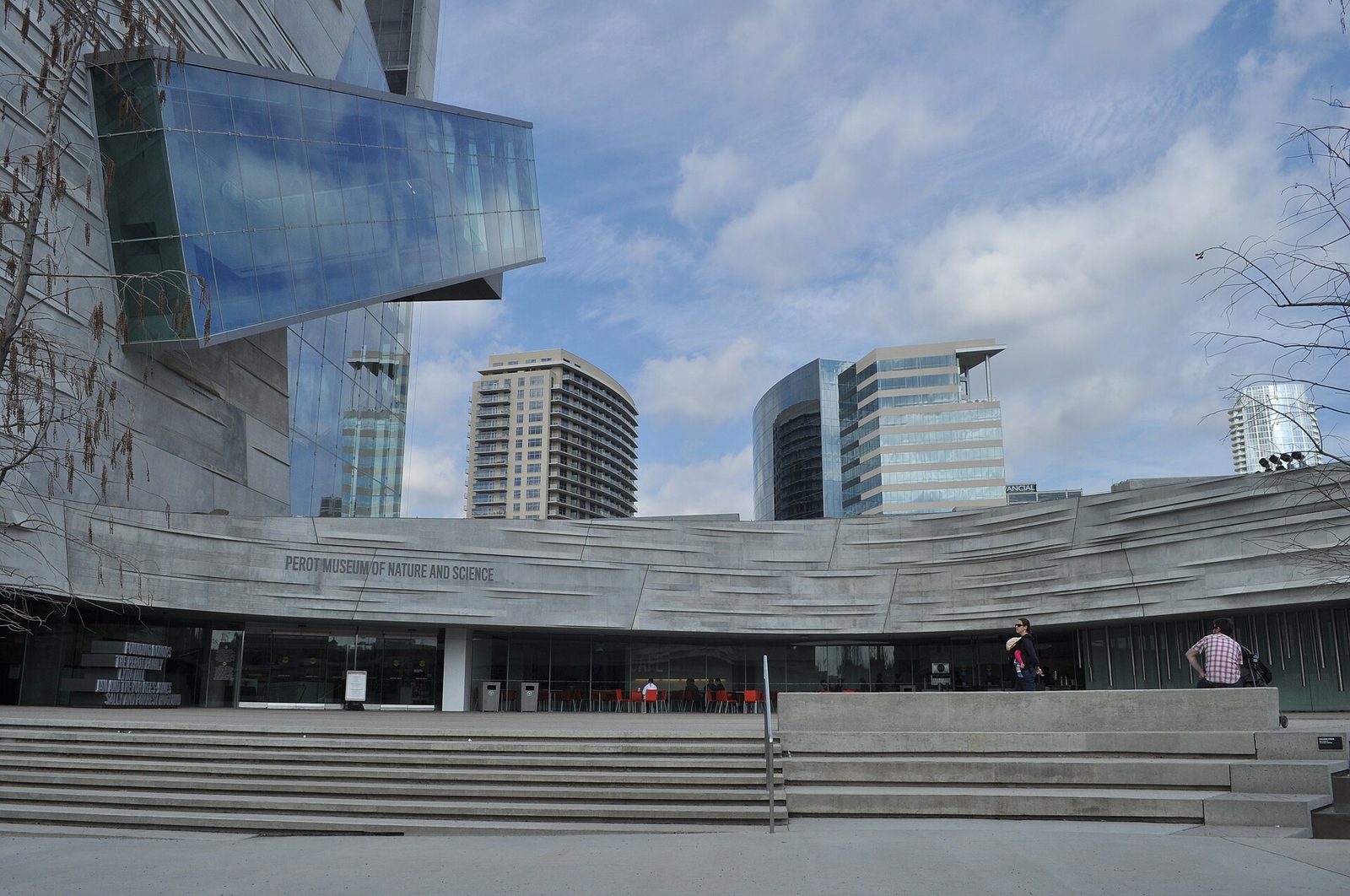
If you take one thing from this page, take the arrival day. The Dallas Museum of Art, the Nasher Sculpture Center and the Sixth Floor Museum all close on Monday and Tuesday, and the Perot Museum closes on Tuesday. A trip that lands Sunday and leaves Wednesday loses two of its days to shut doors. A trip that lands Wednesday sees everything.
Is Dallas Worth Visiting?
Yes, but not for the reasons the tourist board leads with, and not for everyone.
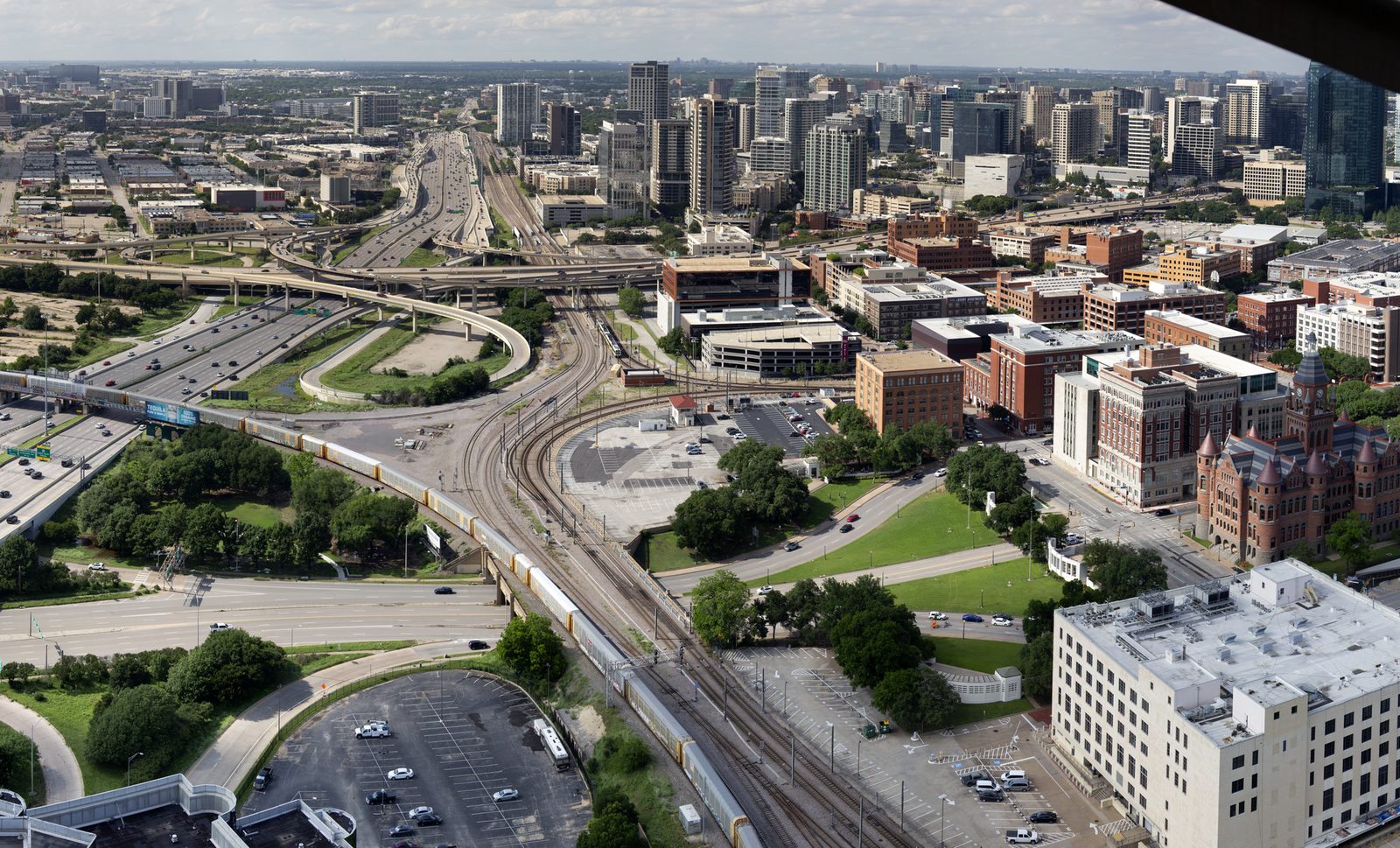
Dallas is worth it if you like museums, architecture, eating and a city that is unapologetically itself. It has a free encyclopedic art museum, a world-class sculpture collection, a presidential library, one of the most significant historical sites in modern American history, and a food culture built on three distinct cuisines it genuinely does better than anywhere else. The arts district is the largest contiguous one in the United States, and the quality-per-dollar in this city is high because so much of it is free or cheap.
Dallas is not worth it if you want a walkable historic old town, dramatic scenery or a city that reveals itself on foot. There is no French Quarter here, no waterfront, no hills. The centre is a business district that empties at night. Visitors who arrive expecting a compact European-style city have a bad time, and they are not wrong to — they simply came to the wrong place.
The honest middle position, which almost nobody writes down: Dallas is a better three-day city than it is a seven-day one. The high points are genuinely high and there are not very many of them, so a short, well-planned trip feels excellent and a long, loose one starts to feel like driving between parking lots. If you have a week in Texas, spend three or four days here and the rest somewhere else.
Who should definitely come: anyone interested in the Kennedy assassination, anyone who takes steak or barbecue seriously, families with children between roughly four and fourteen, and art travellers who have not registered that a major free museum sits in the middle of it.
How Many Days Do You Need in Dallas?
Three full days is the answer for most people. Here is what each length actually buys.
| Trip length | What you get | What you give up |
|---|---|---|
| 1 day | Dealey Plaza and the Sixth Floor Museum, or the Arts District — not both properly | Everything else; it’s a stopover, not a visit |
| 2 days | Arts District day plus West End day, entirely car-free | The zoo, the Arboretum, Bishop Arts, Fort Worth |
| 3 days | The above plus one of: Bush Museum, Dallas Zoo, the Arboretum | Fort Worth, and any real depth outside the core |
| 4 days | All of the city comfortably, plus a proper day in Fort Worth | Very little that matters |
| 5+ days | Neighborhoods, repeat meals, day trips to Waco or Austin | Nothing — but the returns drop off sharply |
The single biggest determinant is not length, it is arrival day. Three days starting Wednesday beats five days starting Sunday, because the Wednesday-to-Sunday window is the only one in which every major museum in the city is open. If you cannot control your dates, plan the closed days as outdoor or Bush Museum days rather than discovering the problem at a locked door.
Our guide to the best Dallas attractions has the full closing-day table and time-needed estimates for each site, which is what you want open in another tab while you block out the days.
When Should You Go?
October, and it is not close. April is the runner-up. Everything else involves a trade you should make deliberately.
| Season | Average highs | Verdict |
|---|---|---|
| March–May | 69.9–84.9°F | Excellent. Wildflowers, the Arboretum at its best, storm risk in May |
| June–August | 92.7–97.1°F | Brutal outdoors, cheapest hotels, fine if your plan is indoors |
| September | 90.0°F | Still hot; evenings usable; State Fair opens late in the month |
| October | 79.5°F | The best month. Also the wettest and the most expensive |
| November | 67.8°F | Underrated. Comfortable, quieter, cheaper than October |
| December–February | 57.7–62.0°F | Mild with sharp cold snaps; lowest crowds |
Two things worth understanding about the Dallas summer, because visitors consistently underestimate it. Triple-digit days happen several times every year and the record high is 113°F, set in 1980. And the heat does not break in the evening the way desert heat does — August lows average 77.4°F, so a 21:00 patio dinner is warm rather than cool.
The counter-argument for summer is money. Hotel rates collapse in late July and August precisely because the weather is punishing, and a trip built around air-conditioned museums, the Dallas World Aquarium and early-morning outdoor time is perfectly enjoyable for perhaps half the cost of October. Just do not plan a 14:00 zoo visit in August and then blame the zoo.
Event dates worth building around or avoiding: the State Fair of Texas runs September 25 to October 18 in 2026 at Fair Park, and Autumn at the Arboretum runs September 19 to November 1, 2026. The fair is a genuine spectacle and it also fills hotels, congests the east side of the city and takes Fair Park itself out of commission for anything but the fair.
How Much Does a Dallas Trip Cost?
Less than most large American cities, and the free tier here is unusually strong. These are realistic daily figures for two people, excluding accommodation.
| Style | Per day, two people | What that looks like |
|---|---|---|
| Lean | $70–110 | DMA (free), Klyde Warren, Dealey Plaza, barbecue lunch, Tex-Mex dinner, DART day passes |
| Standard | $200–280 | Two paid museums, lunch out, a good neighborhood dinner, one rideshare each way |
| Comfortable | $350–500 | Museums, a steakhouse dinner with wine, rideshares throughout, Reunion Tower |
The fixed costs worth knowing in advance: the Sixth Floor Museum is $27 for an adult, the Perot Museum is $27, the Dallas World Aquarium is $34.95 plus tax, the George W. Bush Presidential Museum is $26, the Dallas Zoo starts at $18, and the Nasher Sculpture Center is $10 — or $8 if you arrive with a valid DART fare. The Dallas Museum of Art is free, though every visitor still needs a timed ticket.
A DART Regional Day Pass is $9.00, or $4.50 reduced, and stays valid until 03:00 the next morning. The M-Line Trolley is free. Those two facts are why a lean Dallas day is genuinely cheap: a couple can see the DMA, walk the Arts District, cross to Klyde Warren Park, ride to Uptown and get home for $18 in transport and nothing in admission.
Where it gets expensive fast: steakhouses ($55 to $120 a head before wine), hotel parking ($25 to $55 a night), rideshare to the outlying districts, and the State Fair, where admission, food and rides all run on separately purchased coupons and a family can spend $150 in an afternoon without noticing.
How Do You Get There, and Which Airport?
Dallas has two airports with genuinely different characters, and picking the right one matters more here than in most cities.
Dallas Fort Worth International (DFW) is one of the largest airports on earth. It covers more than 26.9 square miles — a larger footprint than the island of Manhattan — across 17,183 acres, with five terminals, more than 160 gates and seven runways. It handles over 86 million passengers a year and ranks third in the world for operations and fourth for passengers. It has the international routes and the connections.
The practical consequence of that size is time. Moving between terminals uses the Skylink people mover airside and the Terminal Link shuttle buses landside, and neither is instant. Do not book a tight connection at DFW on the assumption that an airport is an airport.
Dallas Love Field is small, close to the city, mostly domestic, and a far more pleasant experience if your route serves it. For a short domestic trip it is the better airport by a wide margin.
Both are on transit. DART’s Orange Line light rail serves DFW Airport Terminal A Station, the Silver Line regional rail serves Terminal B Station, and a TRE LINK shuttle bus connects DFW Airport/CentrePort Station on the Trinity Railway Express to Terminal D. For Love Field, DART Bus Route 5 Love Link runs to Inwood/Love Field Station, which both the Green and Orange lines serve.
One warning before you commit to the train with luggage: DART light rail vehicles have no luggage racks. Level boarding into the centre section makes a wheeled case manageable, bags must not block the aisle, and operators do not help. The Silver Line is the exception, with overhead racks and a dedicated luggage area — which makes it the better bet with a large suitcase.
Do You Need a Car in Dallas?
Not necessarily, which surprises people, but the answer depends entirely on where you sleep and what is on your list.
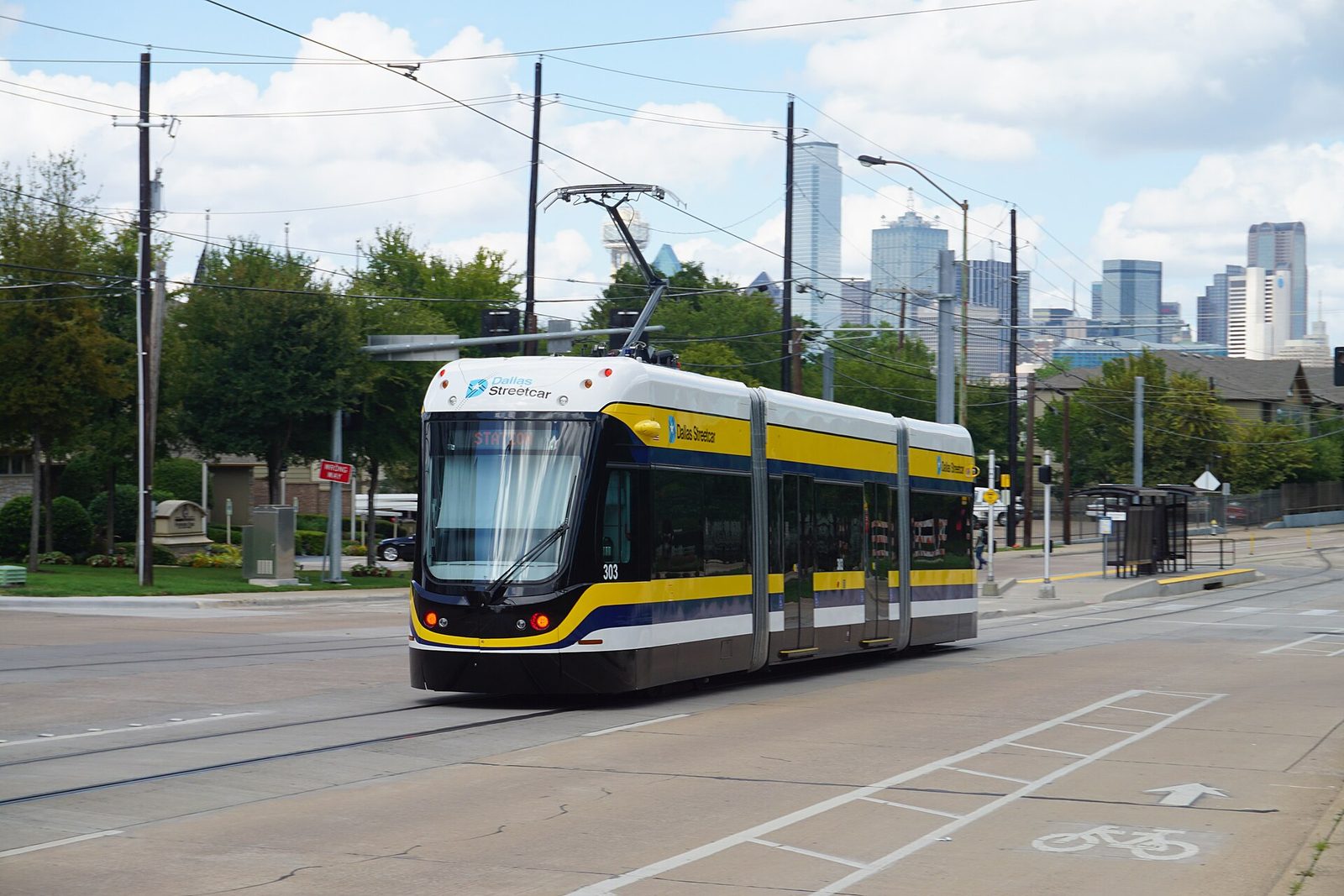
You do not need a car if you stay downtown, in the Arts District, in Uptown or in Deep Ellum, and your list is the museums, Dealey Plaza, the Arts District and dining. The free M-Line Trolley links the Arts District, downtown, Klyde Warren Park, Uptown and West Village, and meets DART light rail at CityPlace/Uptown Station. A $9.00 day pass covers everything else, including the airport run and the Dallas Zoo, which has its own station at the gate.
You do need a car, or a rideshare budget, for the Dallas Arboretum, Bishop Arts, Trinity Groves, the Galleria, anything in Arlington including the stadium, and every destination barbecue joint in the northern suburbs. Budget $15 to $25 each way, and compare that honestly against a rental plus $25 to $55 a night for hotel parking before you book the car.
Whichever you choose, internalise the one rule that governs movement in this city: distance in miles tells you nothing. Six miles on a Sunday morning is twelve minutes; the same six miles at 17:30 on a Thursday is thirty-five. Judge every plan by its drive time at the hour you will actually travel, and leave more slack than feels necessary. Our guide to where to stay in Dallas goes through which bases work car-free and which commit you to driving.
Is Dallas Safe for Tourists?
Broadly yes, with ordinary large-American-city caution and two specific local wrinkles.
The areas visitors actually spend time in — downtown, the Arts District, Uptown, the West End, Victory Park, Bishop Arts — are busy, policed and unremarkable for safety during the day and evening. Deep Ellum is a nightlife district and behaves like one: fine on the main blocks at dinner, rowdier late on weekends, and worth the same awareness you would apply to any entertainment strip in a big city.
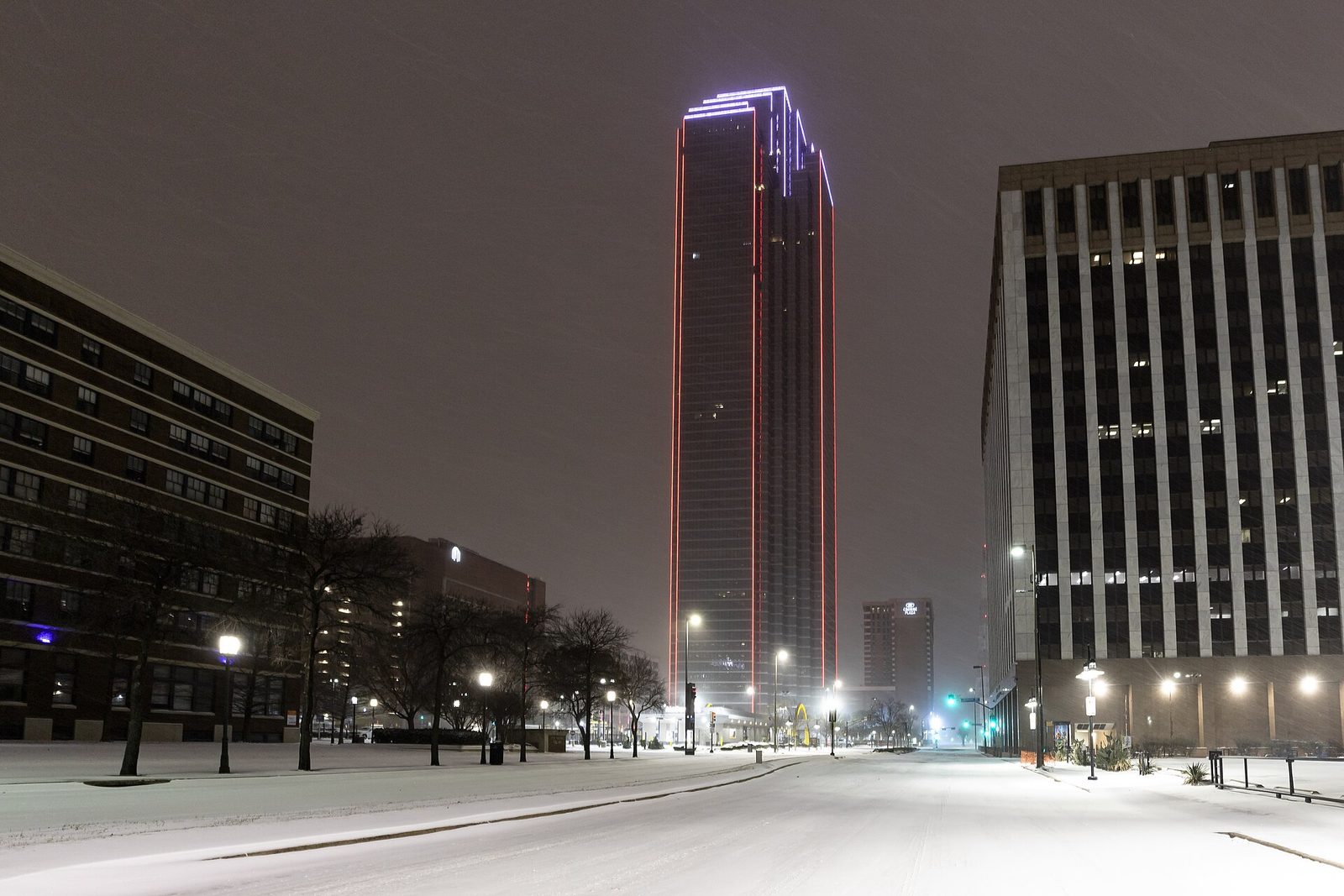
The first local wrinkle is emptiness rather than danger. Downtown Dallas is a business district, and after about 21:00 on a weeknight whole blocks are deserted. There is nothing inherently dangerous about that, but an empty street at night feels worse than a busy one and it is why visitors sometimes report downtown as sketchy when what they mean is silent. Walk on lit, populated streets, and take the trolley or a rideshare rather than a fifteen-minute walk through office canyons.
The second is the heat, which is a genuine safety issue rather than a comfort one. In July and August, with average highs of 96.9°F and 97.1°F, a long unshaded walk in the middle of the day is dangerous for children, older visitors and anyone who has just flown in from a cool climate. Carry water, plan outdoor time before 11:00, and treat air conditioning as part of the itinerary.
Practical points: cars get broken into in surface parking lots here as in every American city, so leave nothing visible. Rideshare is abundant and cheap by national standards. And Texas is an open-carry state, so you may occasionally see a holstered firearm in public; it is legal, it is not a signal of anything, and museums and many businesses post signs prohibiting it on their premises.
What Should International Visitors Know?
Several things that are obvious to Americans and genuinely not to everyone else.
Prices are quoted before tax, and tax is added at the till. A $34.95 aquarium ticket costs more than $34.95. Restaurant menus, shop shelves and attraction pages all work this way, so mentally add roughly 8 percent to anything you see.
Tipping is not optional. Eighteen to twenty percent at restaurants and bars, a couple of dollars a drink at a counter, and 15 to 20 percent for rideshare and taxis. Some restaurants add an automatic gratuity for six or more, and some add a service or kitchen fee that is not a tip — read the bottom of the check before adding more.
Distances are American distances. Fort Worth is 35 miles away and that is considered next door. Austin is roughly a three-and-a-half-hour drive and people do it for a weekend. Do not map Texan geography onto European instincts.
The city is built for cars and the crossings are long. Pedestrian signals are slow, intersections are wide, and drivers turn right on red, which catches out visitors from places where that is illegal. Look right as well as left.
Air conditioning runs cold. Interiors in a Texas summer are frequently 20°F cooler than outside, and a light layer is genuinely useful in August. This sounds absurd until you sit through a two-hour museum visit in shorts.
On documents and money: entry requirements depend on your nationality and change, so check the official US government guidance rather than a travel blog. Contactless card payment is accepted essentially everywhere including DART’s GoPass app, and cash is rarely necessary beyond tips at a counter.
Should You Visit Dallas, Fort Worth or Austin?
They are three genuinely different trips, and conflating them is the most common planning error in North Texas.
Dallas is the big, modern, moneyed one: museums, architecture, steakhouses, an international airport and the Kennedy history. It is the best base if you want a city trip with range.
Fort Worth is 35 miles west and has the cattle-town identity Dallas gave up — the Stockyards, a genuinely excellent museum district including the Kimbell, and a more compact, walkable centre. It is not a suburb of Dallas and it does not feel like one.
Austin is about three and a half hours south and is a different state of mind entirely: live music, hills, water, a younger and scruffier feel. It is a separate trip, not a day trip.
The practical advice: do not try to squeeze Fort Worth into a Dallas afternoon. It deserves a full day and ideally an overnight, and a rushed half-day gives you a car park, one attraction and a sense that you missed something — because you did. If you have four days, give the fourth to Fort Worth properly. If you have three, stay in Dallas and come back.
How Should You Structure a Dallas Day?
Dallas days have a shape, and it is dictated by heat and by distance rather than by taste. Ignore it and you will spend the good hours in a car.
Morning is for outdoors, always. From roughly May to September that is not advice, it is the only workable plan: the zoo, the Arboretum, White Rock Lake, Klyde Warren Park and any walking at all belong to the hours before 11:00. Even in October, the light is better and the crowds are thinner early.
Midday is for lunch and for the museums. The Dallas Museum of Art and the Nasher open at 11:00, the Sixth Floor Museum at 10:00, and the afternoon is when air conditioning earns its keep. It is also when barbecue is still fully stocked, which is the single most Dallas-specific piece of scheduling advice on this page: the meat is cooked once a day and the best cuts go first.
Late afternoon is for one more indoor thing, or for moving. If you have to cross the city, do it before 16:00 or after 18:30 — the window between is when a twelve-minute drive becomes thirty-five.
Evening is for a single neighborhood. Pick one and stay in it. Uptown, Deep Ellum, Bishop Arts and Lower Greenville each hold a full evening, and hopping between them costs $15 to $25 a leg and half an hour you would rather spend at a table.
The structural error most visitors make is scheduling by attraction rather than by cluster. Three sights in three parts of Dallas is a driving day with some sightseeing attached. Two sights in one cluster plus a proper meal is a Dallas day, and it will feel fuller.
What Day Trips Are Worth Taking?
Three are genuinely worth it and two are traps. Dallas sits in the middle of a large, flat state, and the drive times are longer than the map suggests.
Fort Worth, 35 miles west: yes, as a full day. The Kimbell Art Museum, the wider museum district and the Stockyards make a complete and very different day out. Give it from morning until evening. Do not treat it as an afternoon add-on.
Waco, about 95 miles south: yes, if the Magnolia phenomenon appeals, or if you want the Waco Mammoth National Monument, which is a genuinely unusual site. Roughly ninety minutes each way on a good day.
The Texas Hill Country or Austin: no, not as a day trip. Austin is around three and a half hours each way. That is seven hours of driving to spend four hours somewhere. Make it an overnight or leave it for another trip.
Arlington, between Dallas and Fort Worth: only with a ticket. AT&T Stadium and Globe Life Field are excellent if you are going to an event or taking a stadium tour, and there is no rail service, so it is a driving commitment either way.
One note that applies to all of them: Texas highway distances are deceptive because the speed limits are high and the landscape does not change. Ninety minutes on I-35 feels like thirty and takes ninety. Build the return leg into your evening plans rather than assuming you will be back by six.
What Mistakes Do First-Time Visitors Make?
The same six, reliably, and every one of them is avoidable.
| Mistake | What it costs | Fix |
|---|---|---|
| Arriving Sunday, leaving Wednesday | Two days of closed museums | Arrive Wednesday if you can |
| Assuming the free DMA needs no ticket | Turned away at the door | Reserve a timed ticket for every person |
| Reaching the Sixth Floor Museum after 16:00 | No entry — last ticket is 16:15 | Go in the early afternoon |
| Booking a cheap airport hotel for a city trip | $80–120 and 3 hours in rideshares | Stay central, ride the train out |
| Planning outdoor activity for a summer afternoon | A miserable, genuinely risky hour | Outdoors before 11:00, indoors after |
| Treating barbecue as a dinner option | Sold out, or the best cuts gone | Go at lunch; it is cooked once a day |
A seventh that deserves its own line: underestimating how much of your Dallas day is transit. Even staying central, the gaps between clusters eat an hour or more daily. Build that in, and stop scheduling four attractions a day.
What Is Overrated, and What Is Underrated?
Every city has both and almost nobody writes them down.
Overrated: Reunion Tower in daylight. The GeO-Deck at 470 feet is a fine sunset stop, but North Texas seen from above at noon is mostly freeway and parking. Go at dusk or skip it — the free pedestrian bridges west of downtown give you a skyline view for nothing.
Overrated: the West End as a dining district. It surrounds Dealey Plaza and it is priced for people who will not walk fifteen minutes. Walk the fifteen minutes.
Overrated: trying to “do” the Dallas Cowboys. AT&T Stadium is in Arlington, a substantial drive with no rail, and a stadium tour is a half-day commitment. Genuine fans should absolutely go. Everyone else is buying a long drive.
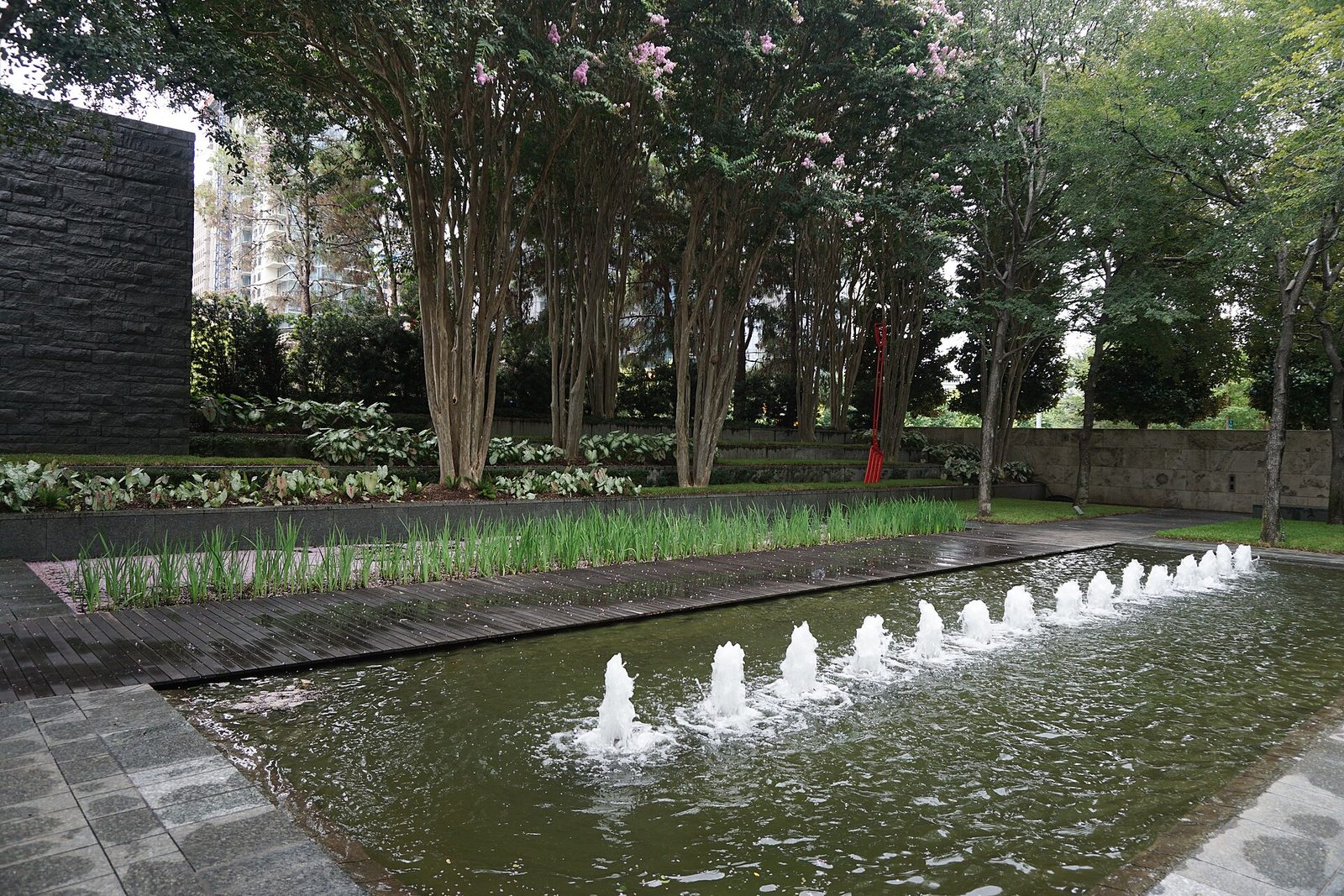
Underrated: the Nasher Sculpture Center. Ten dollars, or eight with a DART fare, for a Renzo Piano building and a garden that is the most peaceful place in central Dallas. It is the best value in the city and half the visitors who do the DMA never cross the street to it.
Underrated: Dealey Plaza itself, as opposed to the museum. The plaza is free, open always, and walking the actual geography — the knoll, the underpass, the street markings — does something the exhibit cannot.
Underrated: the free tier generally. The DMA, Klyde Warren Park, Pioneer Plaza, the AT&T Discovery District, the Native Texas Park at the Bush Center, the Dallas Farmers Market and White Rock Lake cost nothing and would be ticketed attractions in many cities.
Frequently Asked Questions About Visiting Dallas
What is Dallas best known for?
The Kennedy assassination and Dealey Plaza, the Cowboys, oil and banking money, and three food traditions it genuinely leads on — Tex-Mex, steak and Texas barbecue. Culturally, the Dallas Arts District is the largest contiguous arts district in the United States, which very few first-time visitors know before they arrive.
What is the best time of year to visit Dallas?
October, at an average high of 79.5°F, followed by April at 77.4°F. November is the underrated option: comfortable at 67.8°F, quieter and cheaper than October. Avoid July and August for anything outdoors, when average highs reach 96.9°F and 97.1°F.
Can you visit Dallas without a car?
Yes, if you stay downtown, in the Arts District, Uptown or Deep Ellum. The free M-Line Trolley plus a $9.00 DART day pass covers the museums, Dealey Plaza, dining and both airports. You will want a rideshare for the Arboretum, Bishop Arts and anything in Arlington.
How expensive is Dallas compared to other US cities?
Noticeably cheaper than New York, Boston or San Francisco, and roughly comparable to Chicago or Atlanta. Hotels are the variable — driven by the convention calendar rather than the season — while food, transit and attractions are good value, helped by a free major art museum and a free trolley.
Is one day in Dallas enough?
Only as a stopover. One day buys you either Dealey Plaza and the Sixth Floor Museum or the Arts District, not both done properly. If a single day is all you have, pick one cluster, stay in it, and do not attempt to drive between three sights.
What should you pack for Dallas?
From June to September: light clothing, a hat, sunscreen, a refillable water bottle and a light layer for aggressively air-conditioned interiors. From November to February: layers and a proper coat for cold snaps, which arrive suddenly. Year-round: comfortable shoes, because the walkable stretches are genuinely walkable and the crossings are long.
Do you need to book Dallas attractions in advance?
The Dallas Museum of Art requires a timed ticket for every visitor even though admission is free. The Sixth Floor Museum is strongly worth booking, especially at weekends. Reunion Tower and the Dallas Arboretum sell through dated calendars where the price varies by date, so booking ahead also fixes your cost.
Is Dallas good for a family holiday?
Very, for children roughly four to fourteen. The Perot Museum, the Dallas World Aquarium, the Dallas Zoo and Klyde Warren Park’s free programming cover most ages, and the city is cheap enough that a family day does not require a mortgage. The constraint is summer heat, which makes a hotel pool close to essential from June to September.
Once the length and the month are settled, the sequencing is what actually determines whether the trip works. Our Dallas itineraries run hour by hour for one to five days with the transit leg written into every move, plus variants for the Monday and Tuesday closures, for summer heat, for rain and for travelling without a car.
The events calendar is the other half of the timing question. October is the best weather month and also the busiest, because the State Fair and Autumn at the Arboretum overlap almost exactly — which is excellent for atmosphere and hard on hotel rates. Our Dallas events guide sets out the annual calendar month by month, with a dated panel of what is currently confirmed.
If the month is still open, it is worth choosing it on the numbers rather than on a season. Our guide to the best time to visit Dallas runs all twelve months against climate normals, hotel cost signals and the events calendar — including the counter-intuitive point that October is both the best month to be here and the wettest, at 4.79 inches.
One reason the daily budgets above start as low as they do is that the free tier in Dallas is unusually good — the Dallas Museum of Art charges nothing, the M-Line Trolley is free, and Dealey Plaza, Pioneer Plaza, Klyde Warren Park and the Trinity bridges never close. Our guide to free things to do in Dallas prices each one all-in, so you can see which are genuinely free and which just have free admission.
Transport is the decision that quietly shapes the budget. A DART Local Day Pass is $6.00 and covers rail, buses, the Dallas Streetcar and GoLink; a rental car plus a downtown garage can cost more per night than the room upgrade you talked yourself out of. Our full guide to getting around Dallas lays out both sides, including parking rates, toll traps and the Arlington problem.
Before anything else, decide which airport you are flying into — it changes the shape of your first and last days more than any other booking. Our guide to DFW and Love Field compares the two honestly, with the ground transport costs, the terminal traps and the late-arrival contingencies.
Two numbers worth knowing before you buy anything: Texas sales tax reaches a maximum of 8.25% and is added at the till rather than shown on the label, and international visitors can reclaim part of it through in-mall refund centers. Our Dallas shopping guide explains both, along with where to shop for what.
Before you book anything, it helps to know what the trip actually costs. Our Dallas budget guide builds the numbers from published fares and admissions rather than averages — the $6 transit pass, the free museum days, the 8.25% sales tax and the hotel tax that is not shown on the headline rate.
Related Dallas Guides
- Best Dallas Attractions — every major site with prices, time needed, closing days and an honest verdict on whether it earns the slot.
- Where to Stay in Dallas — area-by-area advice with transit times, parking, hotel tax and the event weeks when rates double.
- Best Restaurants in Dallas — the dining districts by price and booking risk, plus what to order in each cuisine.
- Things to Do in Dallas — the wider view of neighborhoods, nightlife and seasonal events.
Photo Credits
- Dealey Plaza and Martyr’s Park: photo by IcedCowboyCoffee, Wikimedia Commons (CC0)
- Dallas Streetcar: photo by Michael Barera, Wikimedia Commons (CC BY-SA 4.0)
- Perot Museum interior: photo by bryan…, Wikimedia Commons (CC BY-SA 2.0)
- Nasher Sculpture Center garden: photo by Michael Barera, Wikimedia Commons (CC BY-SA 4.0)
- Downtown Dallas in snow: photo by Matthew T Rader, Wikimedia Commons (CC BY-SA 4.0)
- Margaret Hunt Hill Bridge: photo by Fkbowen, Wikimedia Commons (CC BY-SA 4.0)
- Perot Museum of Nature and Science (featured image): photo by Joe Mabel, Wikimedia Commons (CC BY-SA 3.0)
Sources
- DFW Airport — Facts and Figures
- DART — Service to DFW Airport and Dallas Love Field
- DART — Fares and Passes
- McKinney Avenue Transit Authority — M-Line Trolley
- Dallas Museum of Art — Visit and Timed Tickets
- Nasher Sculpture Center — Admission and Hours
- The Sixth Floor Museum — Plan Your Visit
- Perot Museum — Hours and Admission
- Dallas World Aquarium — Hours and Prices
- George W. Bush Presidential Center — Admission and Hours
- Dallas Zoo — Tickets
- Reunion Tower — GeO-Deck
- Dallas Arboretum — Visitor Information and 2026 Festival Dates
- State Fair of Texas — 2026 Dates and Hours
- Climate of Dallas — monthly averages and records