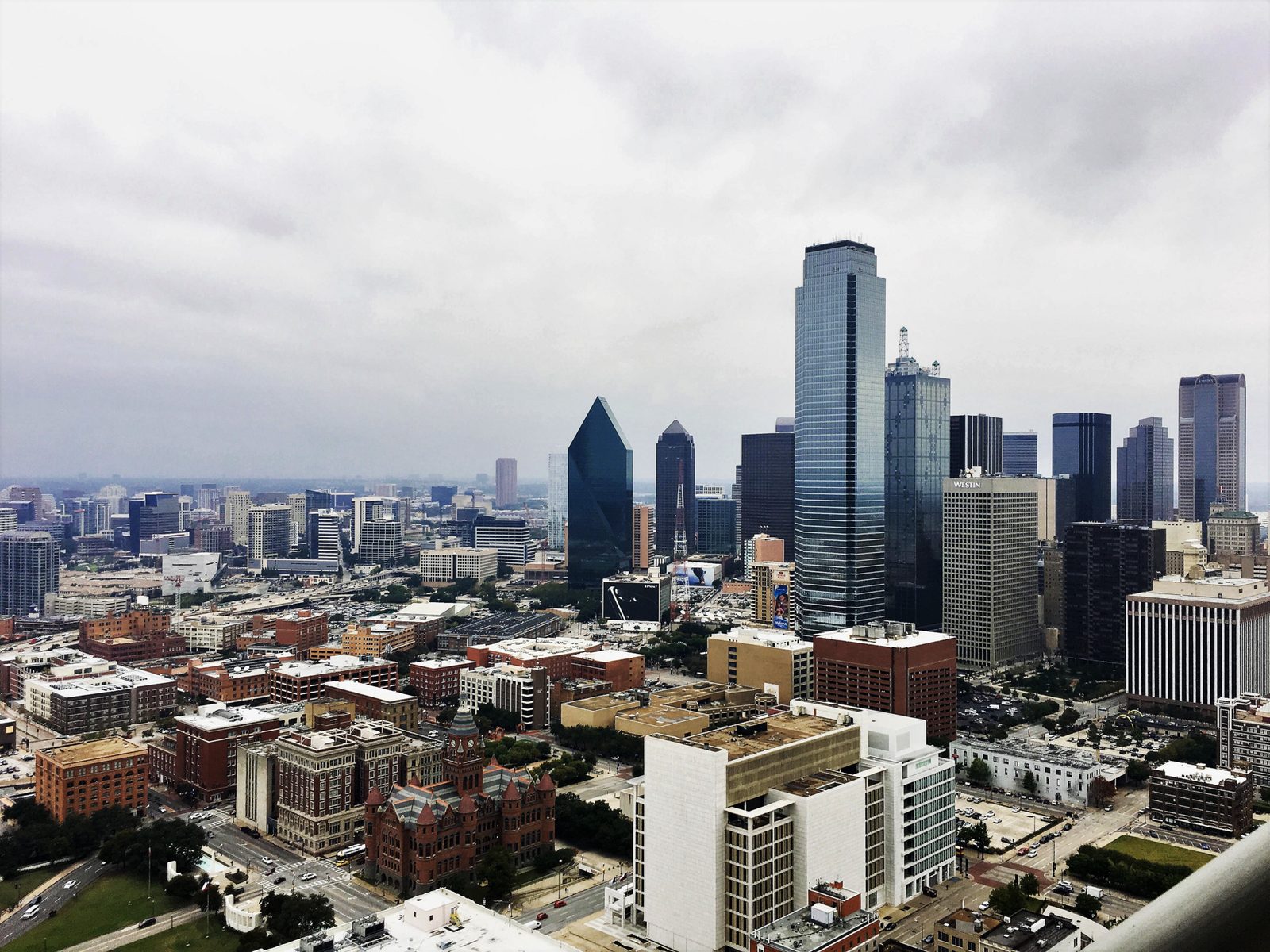
Deciding where to stay in Dallas comes down to one question the affiliate lists never ask: are you here to see the city, or are you here for a specific building? If you are sightseeing, stay downtown or in Uptown and use the free trolley. If you are here for a convention, a game or a 06:00 flight, the right answer is entirely different and usually cheaper.
Dallas is a big, flat, car-shaped city with a small walkable core, and a hotel that looks central on a map can still be a thirty-minute drive from the thing you came for. Worse, the advertised room rate here is one of the least reliable numbers in American travel. Tax, resort fees, parking and event-week surge pricing routinely add 30 to 45 percent to the figure you were quoted, and none of the big comparison sites show you that up front.
This guide does the total-cost math, gives you walking and transit times rather than vague neighborhood vibes, and says plainly which areas to avoid for which trips. Rates and fares below were checked in September 2026, and the tax figures are flagged where you need to confirm them on your own quote.
Where to Stay in Dallas at a Glance: Area, Trip Type and Real Cost
Start by matching the area to your trip rather than to a price. The cheapest room in the wrong district costs more once you add three days of rideshare.
| Area | Best for | Typical nightly rate | Car needed? | Watch out for |
|---|---|---|---|---|
| Downtown / Arts District | First-time sightseeing, conventions | $150–320 | No | Quiet at night, paid parking |
| Uptown | Dining, walkability, couples | $180–400 | No — free trolley | Weekend noise, valet-only parking |
| Victory Park | Events at the arena | $170–450 | No | Event-night surge pricing |
| Deep Ellum | Music, nightlife, budget | $110–220 | No | Genuinely loud on weekends |
| Design District | Boutique stays, quieter | $160–300 | Helpful | Thin on walkable dining |
| Love Field area | Early domestic flights | $100–190 | Yes or shuttle | Nothing to do on foot |
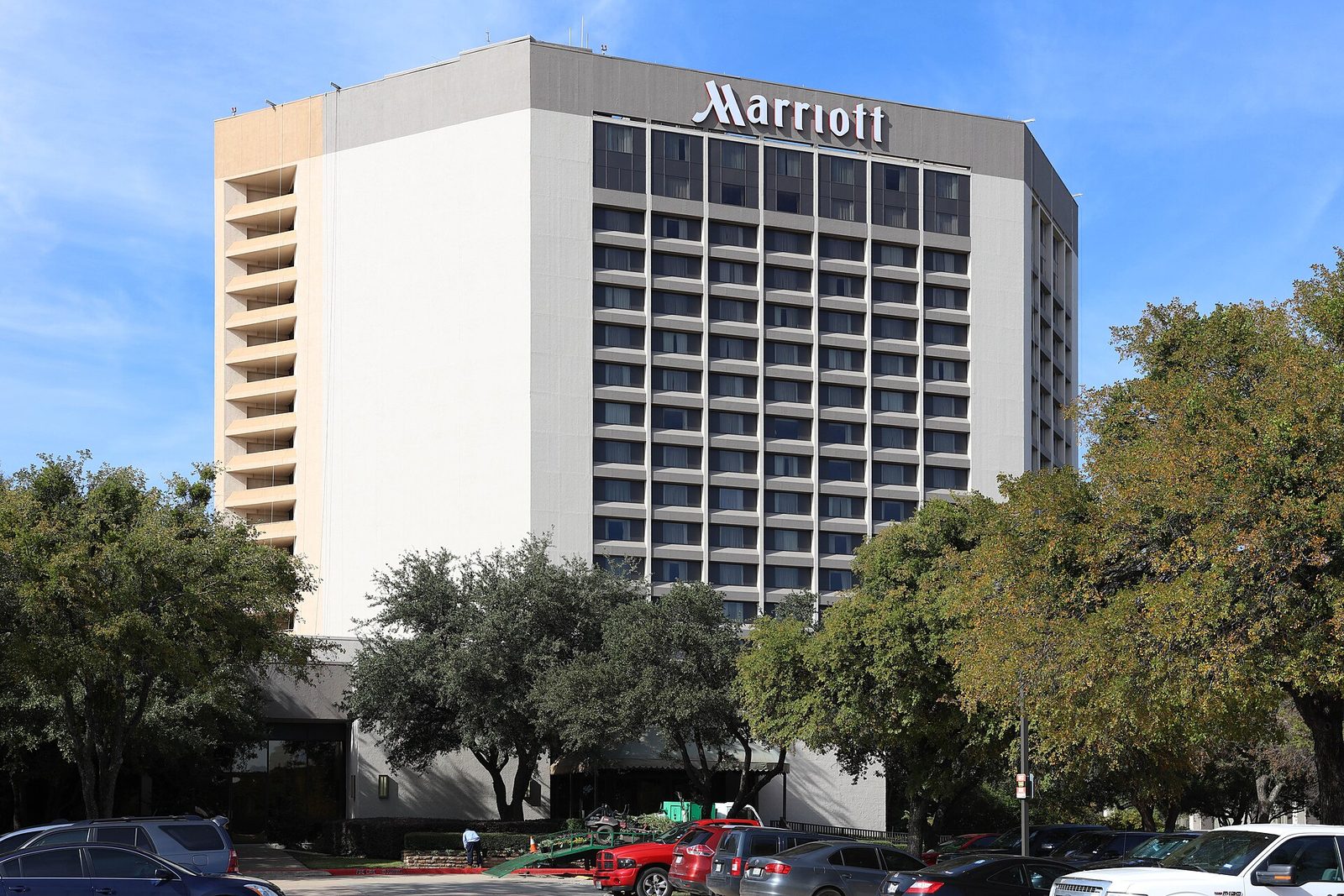
| DFW Airport area / Irving | Early connections, cheap rates | $90–170 | Yes | You are not in Dallas |
| North Dallas / Galleria | Shopping, families, value | $110–200 | Yes | 25–35 min from downtown |
The line that catches the most people is the last two. A $95 airport hotel is not a bargain if your trip is about Dallas, because two round-trip rideshares into the city will cost $80 to $120 and take three hours of your holiday. Airport hotels are correct for connections and conventions at the airport, and wrong for almost everything else.
What Will a Dallas Hotel Actually Cost You?
More than the rate. This is the part the booking sites bury and it is the single most useful thing on this page.
Texas charges a state hotel occupancy tax of 6 percent of the cost of the room (checked September 2026), and the state comptroller is explicit that cities, certain counties and special purpose districts are separately authorized to impose an additional local hotel tax on top of it. In a major city like Dallas that stacking puts the tax line comfortably into double digits, and larger properties may also pass through a tourism improvement district assessment. Your booking confirmation will itemize it — read that line before you compare two hotels, because a lower nightly rate with a higher fee load can lose.
Then come the charges that are not tax at all.
| Cost line | Typical range, per night | Avoidable? |
|---|---|---|
| Combined hotel taxes and district assessments | Assume roughly 15% of the rate — confirm on your quote | No |
| Self-parking, downtown or Uptown | $25–40 | Yes, if you skip the rental car |
| Valet parking | $35–55 | Partly — some hotels have no self-park option |
| Destination or amenity fee | $0–35 | No, if the property charges one |
| Rideshare, non-central hotel | $30–50 for two trips | Yes, by staying central |
Run one honest comparison before you book. A $150 downtown room with tax and no car lands near $175 all-in. A $110 suburban room with tax, self-parking and two rideshares a day lands near $195 — and costs you an hour of driving. The cheap-looking room is frequently the expensive one. The only reliable way to see it is to add tax, parking and transport to every candidate before you compare.
One timing note: rates in Dallas are driven by the convention and events calendar far more than by season. A midweek stay during a large convention can cost double the same room the following Tuesday, while a quiet August weekend — when nobody sensible wants to be outdoors in 97°F heat — can be the cheapest time of the year to sleep downtown.
Should You Stay Downtown or in Uptown?
This is the real decision for most first-time visitors, and the honest answer is that they are close enough to be one choice with two personalities.
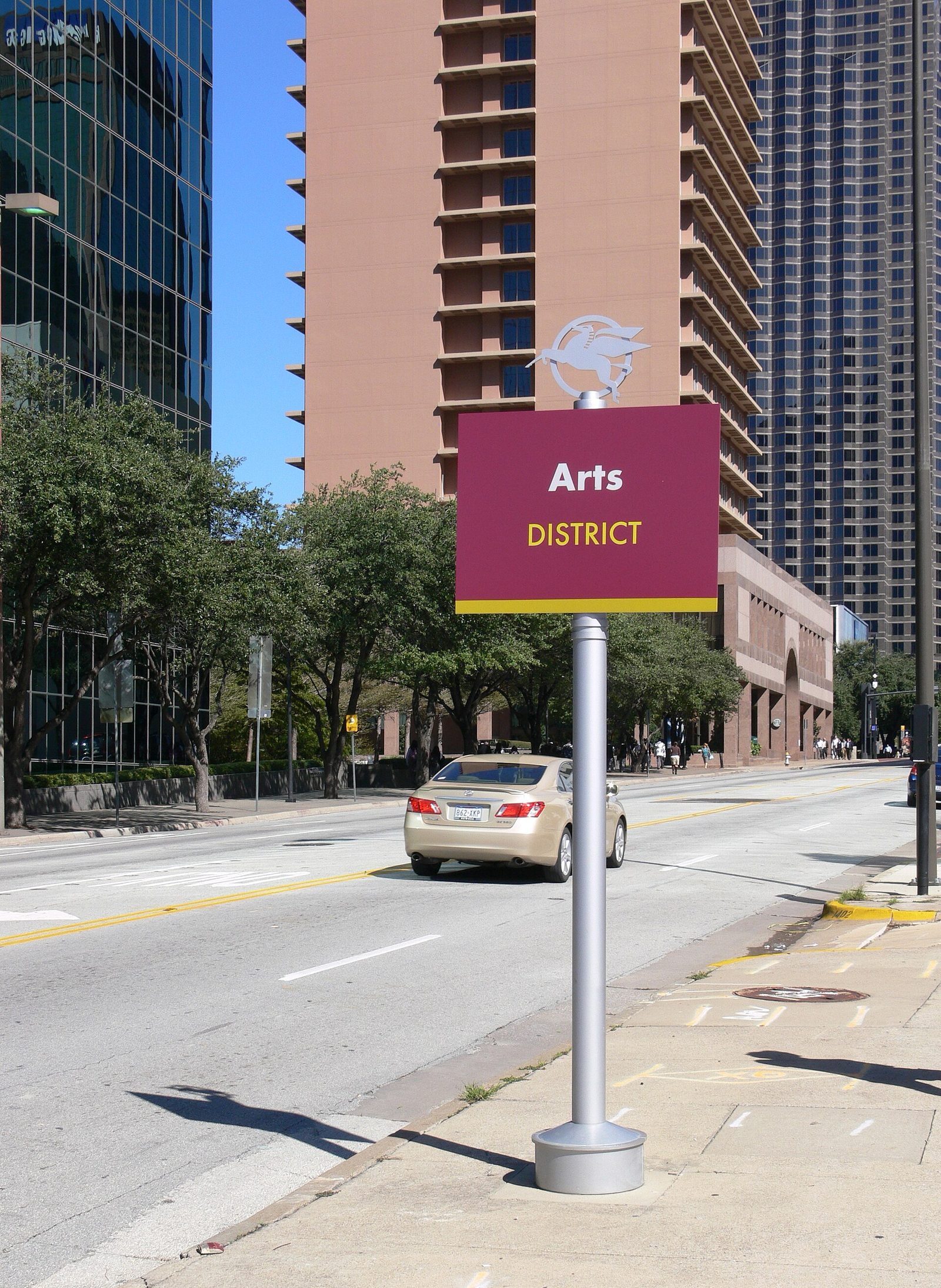
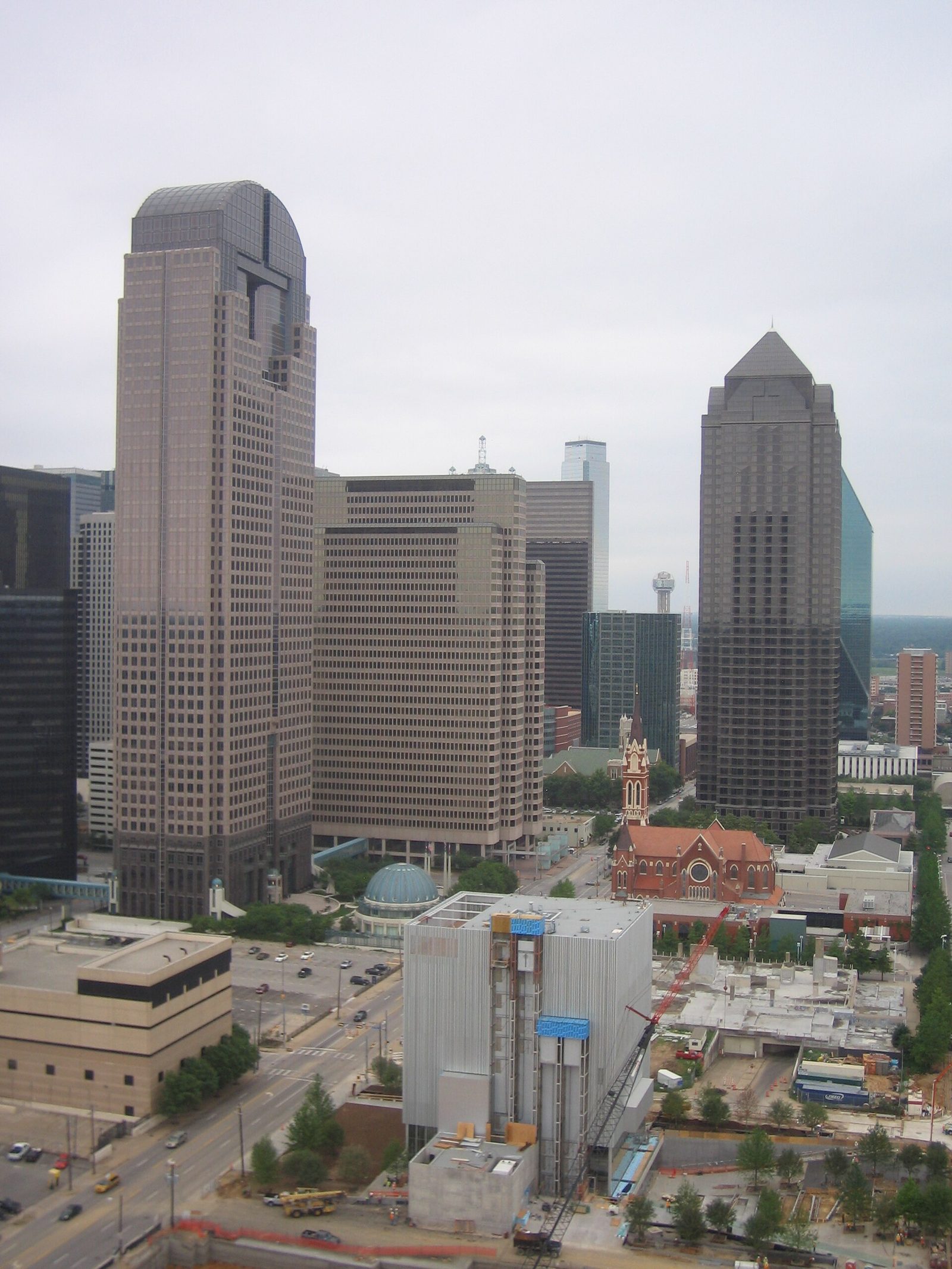
Downtown and the Arts District put you within walking distance of the Dallas Museum of Art, the Nasher Sculpture Center, Klyde Warren Park, Dealey Plaza and the Sixth Floor Museum. It is the correct base for a sightseeing trip and the only sensible base for the convention center. The trade-off is that downtown Dallas empties out in the evening — the office towers go dark, parts of it feel deserted after 21:00, and your dinner options within a five-minute walk are thinner than the location suggests.
Uptown is where the city actually spends its evenings: patios, steakhouses, bars, the West Village shops, and a genuine street life that downtown lacks. It is more expensive per night, parking is frequently valet-only, and weekend noise on the main strips is real. What makes it work as a sightseeing base is the M-Line Trolley, which is free, sponsor-supported with donations optional, and runs from the Arts District through Uptown to West Village, connecting to DART rail at CityPlace/Uptown Station.
The practical rule: stay downtown if your days are museum-shaped and your budget is the constraint. Stay in Uptown if your evenings matter more than your mornings and you can absorb $50 more a night. Either way you can reach the other one for nothing on the trolley, which is why this choice is far less consequential than the booking sites imply. Our guide to the best Dallas attractions maps which sights sit in which cluster, and it is worth reading before you pick a side.
Who should avoid both: anyone whose trip is built around a suburban office park, a youth sports complex in Frisco or a wedding in Plano. The north suburbs are 25 to 45 minutes from downtown in traffic and staying central will cost you an hour a day.
Where Should You Stay Without a Car?
Dallas is more car-free-able than its reputation, but only along specific corridors. Stay on one of them and you will not need a rental at all.
The corridor that matters is the one linking the Arts District, downtown, Klyde Warren Park, Uptown and West Village, served free by the M-Line Trolley and intersecting the DART light rail network. Anything on that spine works without a car. Deep Ellum, immediately east of downtown, is walkable from the core and on the rail network. The West End, around Dealey Plaza, is walkable to the Sixth Floor Museum and the Dallas World Aquarium.
A DART Regional Day Pass is $9.00, or $4.50 at the reduced rate, and stays valid until 03:00 the following morning — so one pass covers a museum day, dinner across town and the ride home. If you will only travel on DART’s own services rather than the wider regional network, DART sells a cheaper Local Pass as a day or three-hour option; check the current fare page before you buy, because the Local Pass is the better value for a hotel-based sightseeing trip.
What you cannot do without a car or rideshare: Bishop Arts, the Dallas Arboretum, Trinity Groves, the Galleria, anything in Arlington, and any of the destination barbecue in the northern suburbs. Budget $15 to $25 each way for those and it still beats a rental car with downtown parking at $25 to $40 a night.
Where Should You Stay for an Early Flight?
It depends entirely on which airport, and Dallas has two that behave very differently.
DFW International is large, west of the city, and genuinely well connected to transit. DART runs three routes to it: the Orange Line light rail to DFW Airport Terminal A Station, the Silver Line regional rail to DFW Airport Terminal B Station, and the TRE LINK shuttle bus connecting DFW Airport/CentrePort Station on the Trinity Railway Express to Terminal D. Once you are airside, the Terminal Link shuttle buses and the Skylink people mover move you between terminals and gates.
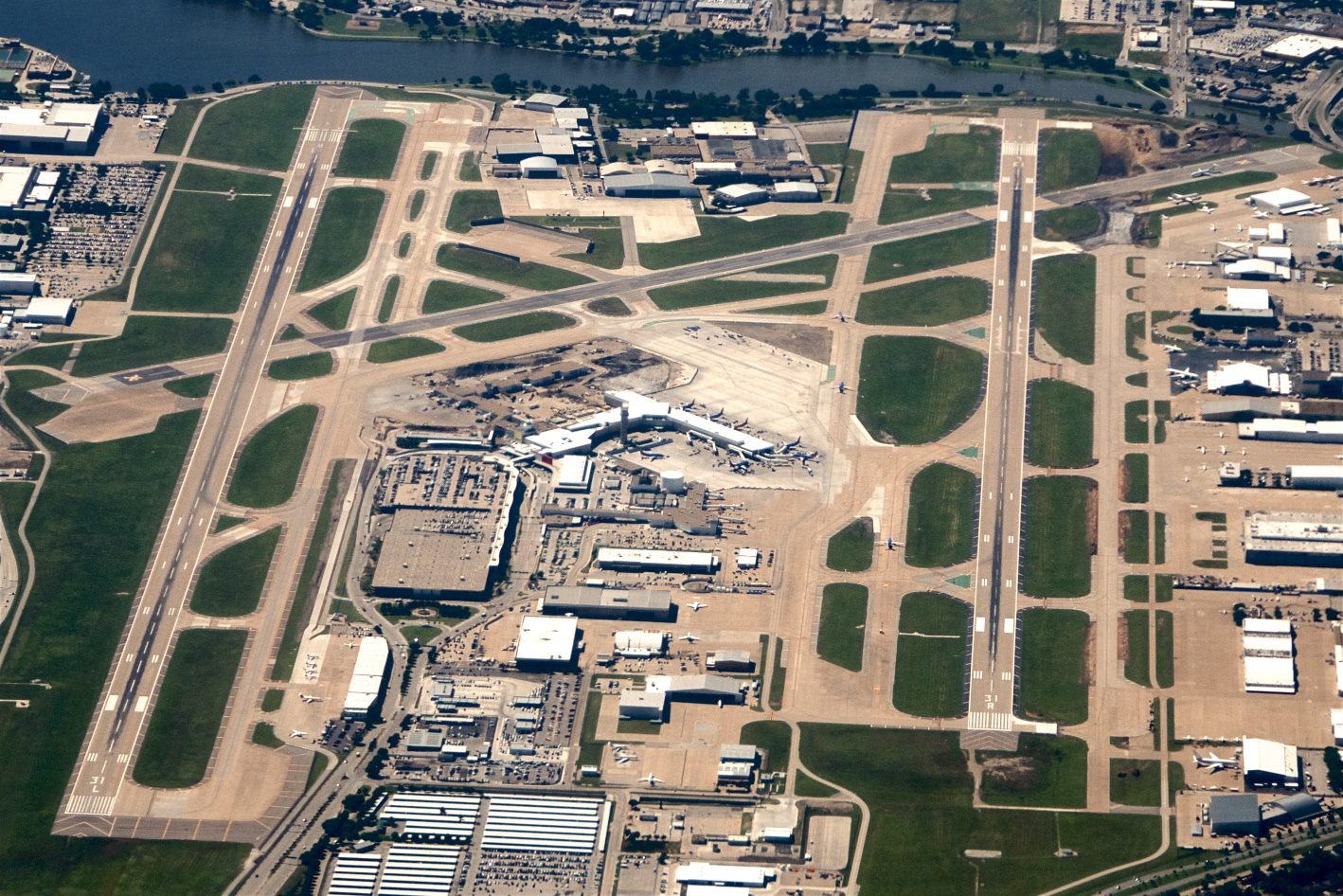
Dallas Love Field is small, close to the city and mostly domestic. DART Bus Route 5 Love Link connects Love Field with Inwood/Love Field Station, which is served by both the Green and Orange lines of the light rail system. For a short domestic trip Love Field is the more pleasant airport by a distance, and staying near it costs less than staying downtown.
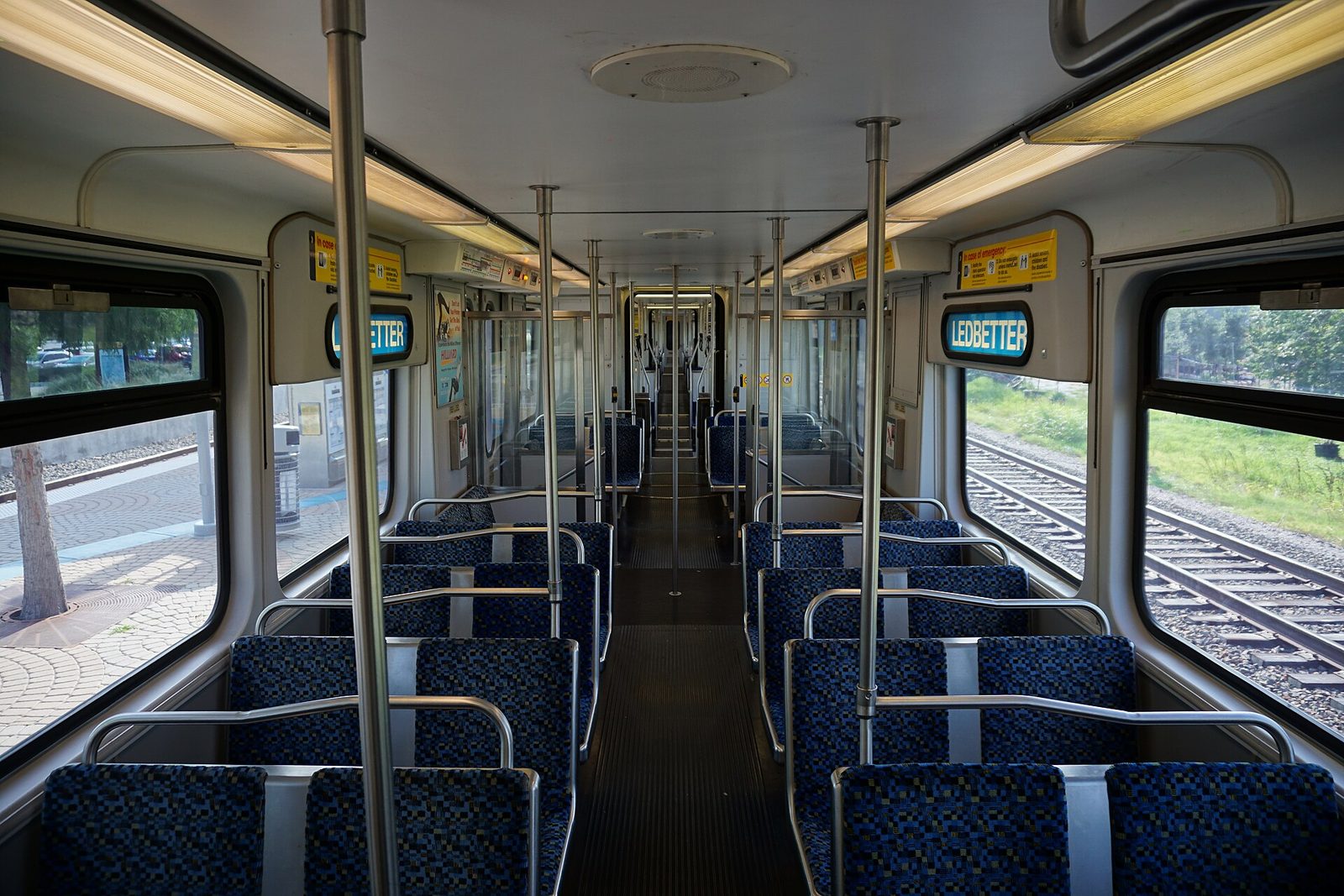
One luggage warning worth having before you commit to transit: DART’s light rail vehicles have no luggage racks, and bags must not block the aisles. Platform-level boarding into the centre section makes wheeling a case on easy enough, but operators do not help with bags, so you need to be able to manage your own. The Silver Line is the exception — it has overhead racks and a dedicated luggage area, which makes it the better choice with a large case.
The verdict: do not book an airport hotel for a leisure trip. Book it for a genuine 05:30 departure, a same-day connection or an airport-adjacent conference, and otherwise stay in the city and take the train out. A rail trip from a central hotel to DFW costs a few dollars and removes the taxi-at-dawn gamble entirely.
Where Should Families Stay in Dallas?
Differently from couples, and the usual advice gets it backwards.
The instinct is to stay downtown for the museums. For families the better base is often Uptown or North Dallas, for three practical reasons: suite-style rooms are more common and cheaper outside the core, self-parking exists rather than valet-only, and the food within walking distance is more forgiving than a downtown business district at 18:00 with a tired six-year-old.
If your trip is museum-led, downtown still wins — the Perot Museum, the DMA and Klyde Warren Park are all within the walkable core, and Klyde Warren’s free children’s programming and rotating food trucks solve more afternoons than any hotel pool. If your trip is zoo-and-aquarium led, the geography splits: the Dallas World Aquarium is downtown in the West End, while the Dallas Zoo is south of the core with its own light rail station at the gate.
| Family priority | Best area | Why |
|---|---|---|
| Museums and walkability | Downtown / Arts District | Perot, DMA, Klyde Warren all on foot |
| Space and value | North Dallas / Galleria | Suites, free parking, cheaper rates |
| Evenings out with older kids | Uptown | Free trolley, walkable dining |
| Pool time and downtime | North Dallas or Las Colinas | Resort-style properties, more room |
| One-night stopover | Love Field area | Short hop, cheap, no sightseeing lost |
One weather-driven point that shapes family stays more than anything else: from June to September, average highs run from 92.7°F in June to 97.1°F in August. A hotel pool is not a luxury in a Dallas summer, it is the mechanism by which the middle of the day survives. Check that the pool is actually open and not seasonal or under renovation before you book on the strength of it.
Which Areas Should You Avoid, and Why?
Not for safety reasons, mostly — for logistics ones, which are the reasons that actually spoil trips.
Avoid the far northern suburbs for a city trip. Plano, Frisco and Allen are pleasant and comfortable and 30 to 50 minutes from downtown in traffic. They are correct if your business is there and wrong otherwise.
Avoid Arlington unless you are going to a game. It sits between Dallas and Fort Worth, it is outside the DART rail network, and it commits you to driving in both directions for everything.
Be careful with Deep Ellum on weekends. It is the best-value walkable district in the city and it is a live music neighborhood — Friday and Saturday nights are loud until late in a way that no amount of double glazing fully solves. If you are a light sleeper, stay downtown and walk over.
Be careful with Victory Park on event nights. Staying next to the arena is excellent when you have tickets and expensive when you do not: rates surge on event nights whether or not you are attending, and the surrounding streets become a crowd-management exercise.
Think twice about the Design District if you have no car. It is genuinely appealing — galleries, showrooms, several of the city’s better boutique properties, and a quieter feel than Uptown. But it is thin on walkable dining, the blocks are long and built for delivery trucks rather than pedestrians, and it sits just outside the trolley corridor. With a car it is one of the best-value bases in Dallas. Without one, every evening becomes a rideshare decision.
There is also a category worth naming that is not an area at all: the highway-adjacent budget cluster. Dallas is ringed by interstates, and a great many cheap rooms sit directly on a frontage road with nothing walkable in any direction. The rate looks excellent on a comparison site and the stay is joyless — you drive to breakfast, you drive to dinner, and you hear the freeway. If a listing’s own photographs are all of the building and the parking lot, that is what you are booking.
And the general principle, which matters more in Dallas than in most cities: a hotel’s distance in miles tells you almost nothing. Six miles at 10:00 on a Sunday is twelve minutes; the same six miles at 17:30 on a Thursday is thirty-five. Judge every candidate by its drive time at the hour you will actually be travelling.
Should You Book a Hotel or a Short-Term Rental?
Dallas is one of the American cities where this genuinely goes either way, and the deciding factor is almost never the nightly rate.
A hotel wins on location. The walkable core — downtown, the Arts District, Uptown — is dense with hotels and thin on rentals, because it is mostly office towers and residential high-rises with building rules that limit short lets. If you want to wake up five minutes from the Dallas Museum of Art, you are booking a hotel.
A rental wins on space and on stays longer than four nights. Two bedrooms, a kitchen and a washing machine in Oak Cliff or Lower Greenville will cost less than two hotel rooms downtown, and for a family of four or a group of friends the arithmetic is not close. It also solves the Dallas heat problem in a way hotels do not: having somewhere to retreat with a kitchen at 15:00 in August is worth more than a lobby bar.
The catch is the one that catches everyone. Almost every rental worth having in Dallas is in a neighborhood that assumes you have a car. Oak Cliff, Lower Greenville, Lakewood and East Dallas are lovely places to stay and none of them are on the light rail spine. Add parking — usually free at a rental, which is a genuine saving against $25 to $40 a night at a hotel — but add rideshare or a rental car for everything else.
| Your trip | Book | Because |
|---|---|---|
| 2–3 nights, sightseeing, no car | Hotel, downtown or Uptown | Location is the whole point at that length |
| 4+ nights, family or group | Rental, with a car | Space and kitchen beat the nightly rate |
| Convention or conference | Hotel near the venue | You will walk back at 22:00 and be glad |
| Summer trip with children | Either, with a pool | Midday heat needs somewhere to go |
| One-night stopover | Hotel near the airport | Check-in flexibility and shuttles |
One practical warning on short-term rentals specifically: Dallas has spent several years revising its rules on short-term letting in residential areas, and listings do occasionally get cancelled at short notice as a result. Book with a flexible cancellation policy, and have a hotel fallback in mind for anything more than a month out.
Where Should You Stay for a Weekend Versus a Week?
The right base changes with the length of the trip, and most visitors book as though it does not.
For two or three nights, buy location and stop optimising. A short trip has no slack in it. Every thirty-minute drive is a meaningful fraction of what you came for, and the $60 a night you save by staying out near the Galleria buys you roughly four hours of driving across a weekend. Stay downtown or in Uptown, skip the rental car entirely, and spend the difference on dinner.
For four to seven nights, the maths inverts. Over a week the saving compounds into real money, you will inevitably want the Arboretum and Bishop Arts and possibly Fort Worth, and all of those need wheels anyway. Once you have accepted a car, a quieter and cheaper base with free parking becomes the better deal — and you can drive downtown on the two days you actually need to be there.
For anything longer, split the stay. Three nights central to do the museums and the Arts District without driving, then move out to a rental with a kitchen for the second half. Changing hotels mid-trip sounds like a hassle and takes about forty minutes; it is frequently the single best-value decision available on a long Dallas trip.
One thing that does not change with trip length: the convention calendar. A seven-night stay that overlaps a large convention for two of those nights will see the rate spike on exactly those nights, and many hotels will not hold one rate across the booking. Check your dates against the events calendar before you commit, and if a spike falls mid-stay, that is another argument for splitting it.
What Should You Check Before You Book?
Six things, in this order. Every one of them has ruined somebody’s Dallas trip.
Parking, and whether self-parking exists. Several Uptown and downtown properties are valet-only, which turns a $30 charge into a $50 one and adds ten minutes every time you want the car. If you are renting a vehicle, confirm this before you book, not at check-in.
The full tax and fee line on your quote. The state hotel occupancy tax alone is 6 percent, local authorities add their own on top, and destination fees are not tax at all. Get to a single all-in number before you compare two hotels, because the ranking frequently changes once you do.
Whether the pool is open. In a city where average highs run 92.7°F in June and 97.1°F in August, a closed or seasonal pool is not a minor amenity failure — it removes your only plan for the middle of the day. Renovations are common and rarely advertised.
The distance to a rail station or the trolley route, in walking minutes. Not in miles, and not “close to downtown,” which is what listings say about properties four miles out. A hotel ten minutes’ walk from the M-Line is a car-free trip; one twenty-five minutes’ walk from it is not.
What is happening in the neighborhood on your dates. An arena event, a convention or the State Fair of Texas — September 25 to October 18 in 2026 — changes both the price and the character of the surrounding blocks. Victory Park on a concert night and Victory Park on a Tuesday are different places.
Breakfast, and what is open near you at 07:00. Downtown Dallas is a business district: plenty is open on a weekday morning and considerably less on a Sunday. If your first museum entry is at 10:00 and you need feeding first, check that something near you is actually serving.
When Is the Cheapest Time to Book a Dallas Hotel?
Dallas hotel pricing follows business and events, not tourist seasons, which is good news if you are flexible.
Cheapest: weekends outside the convention calendar, and the deep summer. Late July and August are the low season precisely because average highs sit at 96.9°F and 97.1°F, and a downtown room that costs $280 in October can fall to $130 in August. If your plan is museum-heavy and air-conditioned, that is a real bargain rather than a trap.
Most expensive: weekdays during major conventions, the State Fair of Texas — which runs September 25 to October 18 in 2026 — and any weekend with a large event at the arena or the stadium. October is both the best weather month, at an average high of 79.5°F, and the most expensive. That is not a coincidence.
Best compromise: late March to early May, and early November. Comfortable weather, no fair, and a convention calendar that is busy rather than saturated.
On booking windows: three to six weeks out is the sweet spot for Dallas, and last-minute rates genuinely do fall on quiet weekends because the city’s hotel stock is sized for conventions rather than tourists. The exception is any date inside a big event, where waiting costs you money and may cost you availability altogether.
Frequently Asked Questions About Where to Stay in Dallas
What is the best area for a first-time visitor?
Downtown or the Arts District. It puts the Dallas Museum of Art, the Nasher, Klyde Warren Park, Dealey Plaza and the Sixth Floor Museum within walking distance, and the free M-Line Trolley connects you to Uptown for dinner. It is the only base that works without a car for a standard sightseeing trip.
Is downtown Dallas safe at night?
Yes on the main, populated streets, with the usual big-city caution. The bigger issue is not danger but emptiness: the business core quiets down considerably after office hours, and several blocks feel deserted by 21:00. Uptown and Deep Ellum are the areas with genuine evening street life.
Do you need a rental car in Dallas?
Not if you stay downtown or in Uptown and your list is museums, Dealey Plaza and dining. The free trolley plus a DART day pass covers that entirely. You do need a car — or a rideshare budget — for the Arboretum, Bishop Arts, the Galleria, Arlington and the suburban barbecue joints.
How much is hotel parking in Dallas?
Expect $25 to $40 a night for self-parking downtown or in Uptown, and $35 to $55 for valet, which several Uptown properties make mandatory. For scale, the Perot Museum’s own Lot B charges $15 per vehicle and Reunion Tower self-parking is $10, so hotel parking is frequently the largest single parking cost of your trip.
Is it cheaper to stay near DFW Airport?
The room is cheaper and the trip usually is not. Two round-trip rideshares into the city run $80 to $120, and you lose several hours to the drive. DART’s Orange Line reaches Terminal A directly, so the better play is to stay central and ride out to the airport rather than the reverse.
Which Dallas hotels are walkable to the convention center?
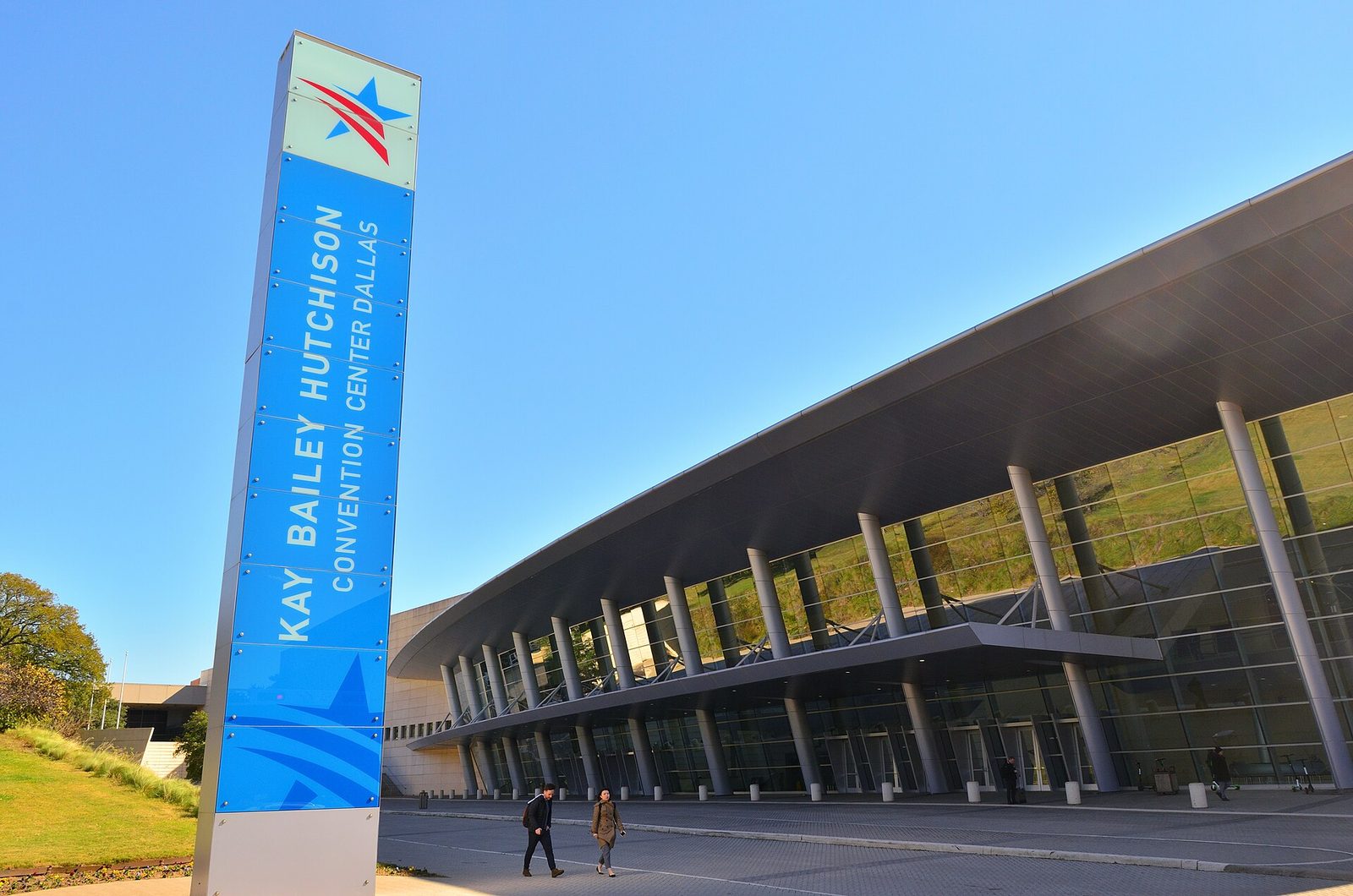
The cluster immediately south and west of downtown, around the Kay Bailey Hutchison Convention Center and the Reunion district. If your trip is convention-led, this is the one case where staying in the quiet part of downtown is unambiguously right — you will be inside the building all day and walking back at night.
Should you stay in Dallas or Fort Worth?
Dallas, unless your business is in Fort Worth. They are roughly 35 miles apart, they are separate cities rather than two halves of one, and commuting between them daily wastes the trip. Fort Worth deserves its own overnight if you want the Stockyards and its museum district properly.
Where should you stay without a car for three nights?
Downtown, the Arts District or Uptown — anywhere on the free M-Line Trolley corridor. That single route links the Arts District, downtown, Klyde Warren Park, Uptown and West Village at no cost, and it meets DART light rail at CityPlace/Uptown Station, which gets you to both airports and the Dallas Zoo. Three nights on that spine needs no rental car at all.
Are Dallas hotels cheaper in summer?
Considerably, and it is the most underrated booking trick in the city. Late July and August are low season because average highs sit at 96.9°F and 97.1°F, and downtown rooms that run $280 in October can fall to well under half that. If your itinerary is museums, the aquarium and air-conditioned dining, you are paying a fraction for the same trip — just build the outdoor parts into the first two hours of the day.
Is Deep Ellum a good place to stay?
For value and walkability, yes; for sleep, it depends on you. It is immediately east of downtown, on the rail network, and it has the best concentration of casual food and live music in the city. It is also genuinely loud on Friday and Saturday nights in a way that carries into the small hours. Light sleepers should stay downtown and walk the ten minutes over.
How far in advance should you book?
Three to six weeks for a normal date. Two to three months if your stay overlaps the State Fair of Texas, a major convention or a big arena weekend — those dates sell out and the rates only go up. Quiet summer weekends are the one time last-minute booking reliably works in your favour.
Choosing a base is easier once the shape of the trip is settled. Our Dallas trip planning guide covers how many days you actually need, the best and worst months to come, realistic daily budgets and which of the two airports suits your route — all of which change which of the areas above is right for you.
If you want to see how far a central base actually gets you, the two-day car-free plan in our Dallas itinerary guide runs entirely on foot and on the free trolley, with a transport bill of about $18 per person for the whole trip — which is less than a single night of downtown hotel parking.
Picking an area is easier once you know what each one is actually like to walk around at 10:00 and at 22:00, because several Dallas districts swing hard between the two. Our guide to the best Dallas neighborhoods gives each district a timed walking route, a day-versus-night verdict and the parking situation, which is the other half of this decision.
Timing and price are tied together here more tightly than in most cities. A downtown room that costs $280 during the State Fair can fall to well under half that in August, when average highs hit 97.1°F and the events calendar empties. Our guide to the best time to visit Dallas maps the cheap weeks against the comfortable ones.
Airport access is worth weighing alongside the nightly rate. A downtown or Uptown base is an easy train from DFW and a short hop from Love Field; a suburban hotel can be neither. See our Dallas airports and arrival guide for which districts are quickest from which terminal, and what the transfer actually costs.
If a dog is coming with you, the fine print matters more than the neighbourhood. Ask whether the pet fee is per stay or per night, whether there is a weight limit, whether the dog may be left alone in the room, and where the relief area actually is — in a downtown tower that can mean crossing four lanes at six in the morning. We work through all of it in our guide to visiting Dallas with a dog.
Booking for a conference rather than a holiday changes the calculation entirely. There are more than 15,000 hotel rooms in the walkable downtown core, the Omni sits adjacent to the convention centre with 1,001 of them, and staying in Uptown buys a much better evening for a fifteen-minute morning commute. We weigh those trade-offs in our Dallas business travel guide.
On 31 December, location beats star rating. Reunion Boulevard, Hotel Street and the surrounding streets close from around 7:30 p.m., so a downtown room either solves your evening or traps your car, and the Hyatt Regency Dallas is the only hotel with guest access to the Reunion Tower property on the night. Our guide to New Year’s Eve in Dallas compares the neighborhoods for that one night.
For a couples weekend, the district matters more than the star rating. Downtown empties at weekends and crosses on foot in thirty minutes, Uptown has the restaurant density and the free trolley, the Arts District suits a trip built around performances, and Oak Cliff is cheaper and more characterful on a $1.00 streetcar ride. Our guide to Dallas couple experiences weighs them up.
For a two-day trip the base matters more than the room. Downtown has a walk score of 95, more than 15,000 rooms in the walkable core and rail out to everything else, while staying near the Arboretum or in Irving means a car for every movement. Two DART Local Day Passes cost $12 and cover the whole weekend — see our Dallas weekend bucket list.
Related Dallas Guides
- Best Dallas Attractions — which sights sit in which cluster, with prices and closing days, so you can pick a base that matches your days.
- Best Restaurants in Dallas — the dining districts by price and booking risk, including which neighborhoods are walkable from which hotels.
- Things to Do in Dallas — the wider view of the city’s neighborhoods, nightlife and seasonal events.
Photo Credits
- Dallas Arts District: photo by Photo: Andreas Praefcke, Wikimedia Commons (CC BY 3.0)
- DART light rail interior: photo by Michael Barera, Wikimedia Commons (CC BY-SA 4.0)
- Hotel at DFW Airport: photo by This picture has been taken by Oleg Yunakov. Contact e-mail: yunakovgmail.com. Image can be used in accordance with the terms of the СС-BY-SA license. Other photos can be seen here., Wikimedia Commons (CC BY-SA 4.0)
- Dallas Love Field: photo by Danazar, Wikimedia Commons (CC BY-SA 3.0)
- Kay Bailey Hutchison Convention Center: photo by Raysonho @ Open Grid Scheduler / Scalable Grid Engine, Wikimedia Commons (CC0)
- Dallas Arts District and downtown towers: photo by Luis Tamayo from Arlington, Texas, USA, USA, Wikimedia Commons (CC BY-SA 2.0)
- Downtown Dallas skyline (featured image): photo by Lluck002, Wikimedia Commons (CC BY-SA 4.0)
Sources
- Texas Comptroller — Hotel Occupancy Tax
- DART — Service to DFW Airport and Dallas Love Field
- DART — Fares and Passes
- McKinney Avenue Transit Authority — M-Line Trolley
- Klyde Warren Park — Visitor FAQs
- Perot Museum — Parking and Visitor Information
- Reunion Tower — Parking and Visitor Information
- Dallas Museum of Art — Visit
- The Sixth Floor Museum — Plan Your Visit
- Dallas Zoo — Plan Your Visit
- State Fair of Texas — 2026 Dates
- Climate of Dallas — monthly temperature averages