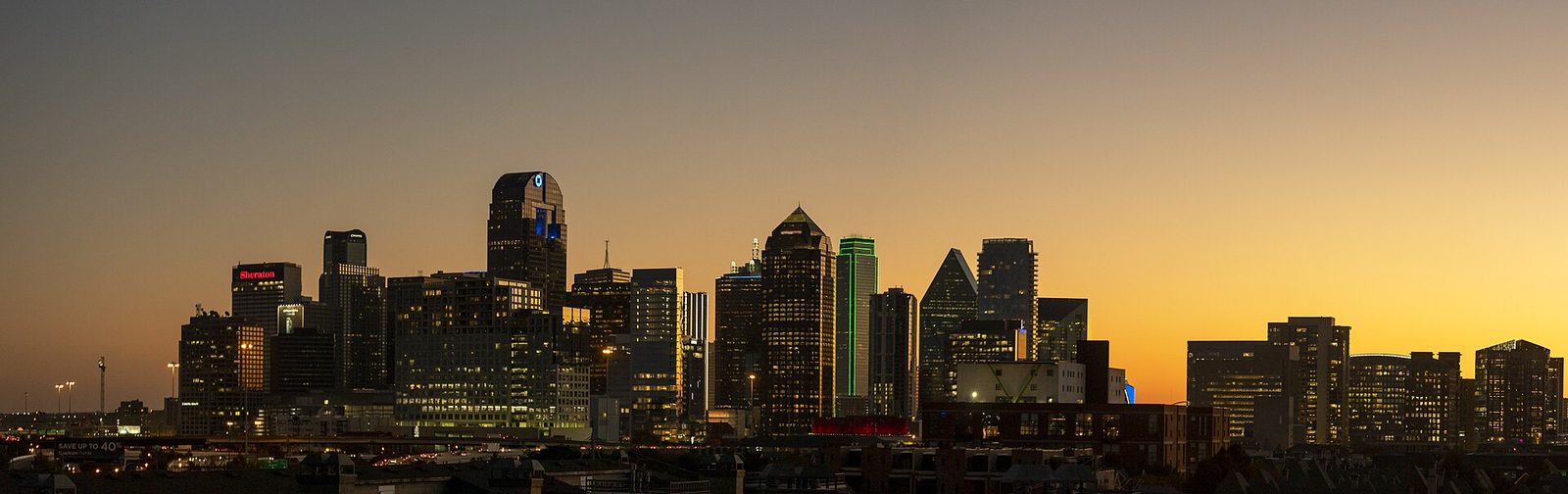
The short version: give your first day to the Arts District and Dealey Plaza, your second to Deep Ellum and Bishop Arts, and plan the rest around the heat and how you are getting around. That is the real shape of the best things to do in Dallas, and it will serve you better than any ranked list of fifty attractions.
Dallas does not reveal itself by wandering. The city covers roughly 385 square miles, the good parts sit in pockets separated by highway, and in August the walk between two of those pockets can be genuinely unpleasant. Visitors who leave happy are the ones who made four or five decisions early and then stopped second-guessing them. This guide is built as that decision system rather than a countdown.
Start with five decisions, not fifty attractions
Every workable Dallas itinerary is the output of the same five inputs. Work through them in order and the list of what to do stops being overwhelming, because most of the options eliminate themselves.
| Decision | Why it matters here | What it rules out |
|---|---|---|
| Which days of the week | The three best museums close Monday and Tuesday | A culture-led trip arriving Sunday night |
| Month and forecast | July and August average highs near 97°F | Long outdoor stretches from June to September |
| Car or no car | Rail is good downtown, thin everywhere else | Spontaneous suburb hopping without a car |
| Where you sleep | District-to-district travel eats 20–35 minutes | Basing far from what you came to see |
| Budget shape | Dallas has unusually strong free culture | Assuming you must buy an attraction pass |
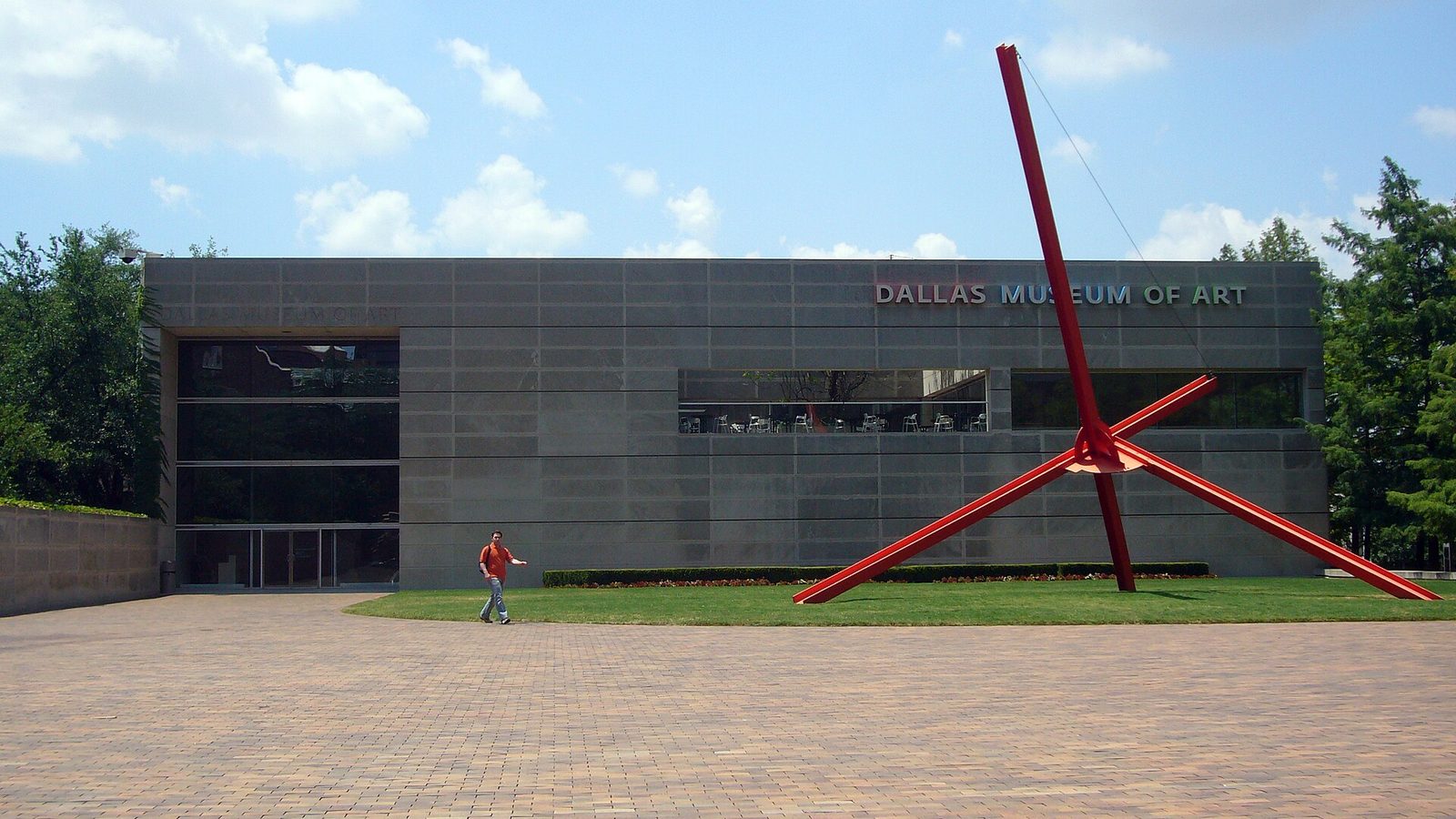
The first row catches people out, and it is worth saying plainly before anything else: the Dallas Museum of Art, the Nasher Sculpture Center and the Sixth Floor Museum all close on Mondays and Tuesdays, and the Perot Museum is closed Tuesdays through April 7, 2027 (checked September 2026). A Monday arrival is not a disaster, but it is a different trip, and remarkably few guides mention it at all.
How to orient yourself in a city this spread out
Dallas confuses first-time visitors because the mental model most people bring does not fit. There is no single dense center that holds everything. Instead there is a compact downtown core containing the historical sights, a museum strip on its northern edge, and a ring of distinct neighborhoods 5 to 20 minutes out by car, each with its own character and very little connective tissue between them.
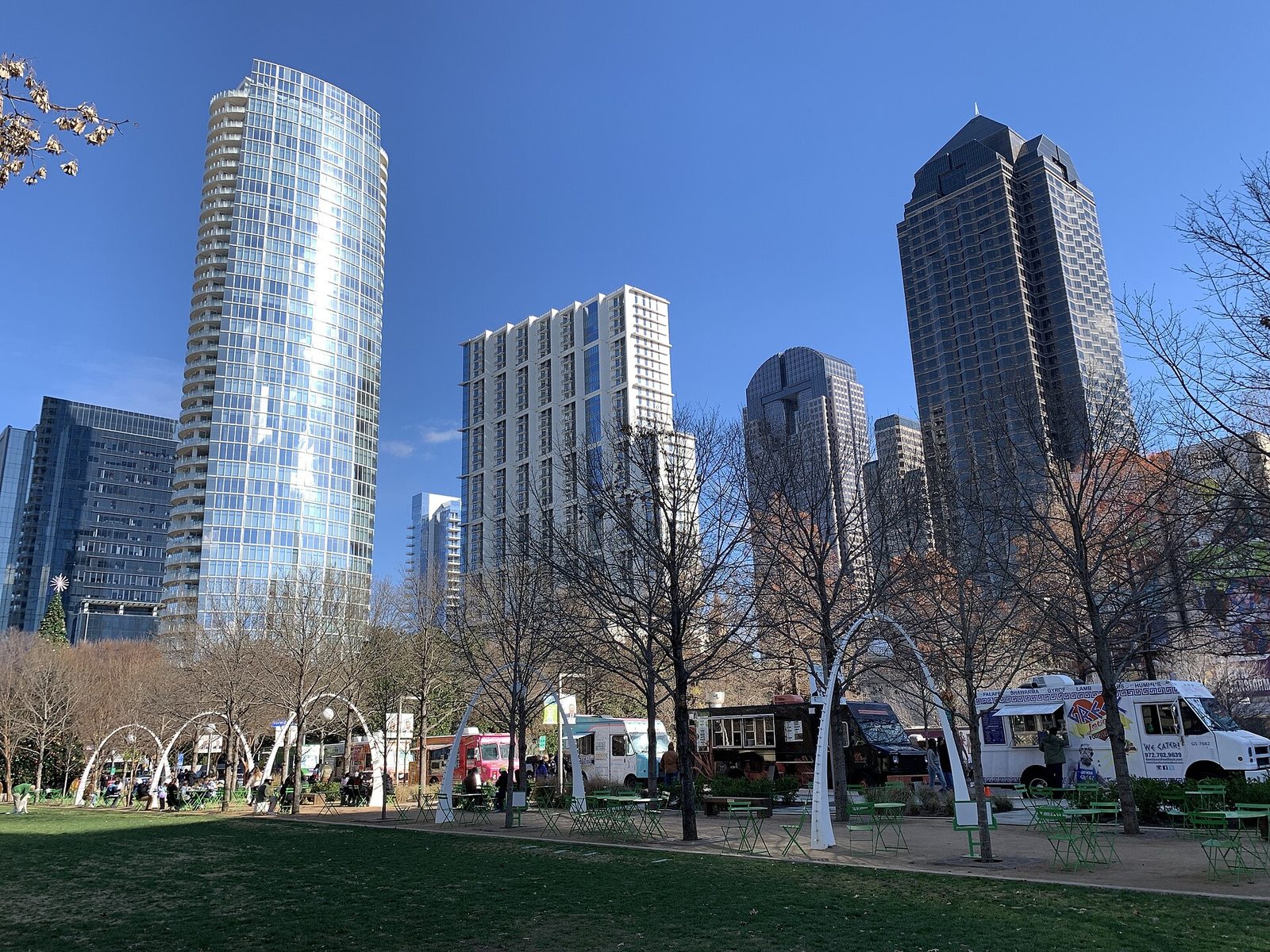
Three landmarks will orient you. Reunion Tower, the ball on a stalk on the southwestern edge of downtown, is visible from most of the city and tells you which way is downtown. Klyde Warren Park is the seam between downtown and Uptown, built as a deck over a sunken freeway, and it is the natural hinge between a morning of museums and an afternoon of anything else. Dealey Plaza sits at the western end of Main Street and is where the city’s most-visited history lives.
Almost everything a first-time visitor wants sits within a triangle drawn between those three points, plus two outliers to the east and south: Deep Ellum, immediately east of downtown, and Bishop Arts, about 10 minutes southwest across the river. The Arboretum and White Rock Lake are further east and function as a separate half-day expedition. Fort Worth, which people routinely underestimate, is a different city roughly 30 miles west.
Once you can place those five or six anchors, the map stops being intimidating. Most bad Dallas itineraries are bad because they bounce between anchors three or four times a day instead of finishing one before starting the next.
Build in the traffic, too. Point-to-point distances in Dallas are short but the highways carry a serious commuter load, and the same 8-mile hop that takes 15 minutes at 11 a.m. can take 35 between 4 p.m. and 6:30 p.m. on a weekday. That matters most for the two trips people schedule badly: leaving downtown for dinner somewhere north, and heading out to the Arboretum or Fort Worth in the late afternoon. Do the long moves in the middle of the day and keep the evenings local to wherever you are sleeping.
What kind of trip are you having?
Dallas does several different things well, and they barely overlap. The fastest way to a good itinerary is to pick one or two of these as your spine and treat the rest as opportunistic, rather than sampling all six and ending up with a day of driving.
| If this is your thing | Build the trip around | Where it lives |
|---|---|---|
| History | The Sixth Floor Museum, Dealey Plaza, the Bush Center | Downtown, plus SMU to the north |
| Art and design | The DMA, the Nasher, the Design District galleries | Flora Street and northwest of downtown |
| Food and drink | Barbecue, Tex-Mex, Lower Greenville, Bishop Arts | Spread out; a car helps a lot |
| Outdoors | White Rock Lake, the Arboretum, the Katy Trail | East and north-east of downtown |
| Live music | Deep Ellum, which is the whole answer | Immediately east of downtown |
| Sport | The Cowboys and the Rangers in Arlington; the Mavericks and Stars downtown | Arlington is a planned half day |
The distinction that matters most is between the downtown cluster and everything else. History and art both sit inside a walkable core, which means a two-day art-and-history trip needs almost no transport. Food, outdoors and sport are all dispersed, and a trip built around any of them turns into a driving trip whether you planned for that or not. Mixing one concentrated interest with one dispersed one works well. Mixing three dispersed ones does not.
How many days do you actually have?
Dallas is a two-to-three-day city for most visitors. One day is enough to see the headline sights badly. Four days is enough to get past them, which is where the city gets interesting.
| Time | Do this | Skip this |
|---|---|---|
| Half a day | Dealey Plaza and the Sixth Floor Museum, then walk to Klyde Warren Park | Anything requiring a second neighborhood |
| One full day | Arts District in the morning, Dealey Plaza after lunch, Deep Ellum for dinner | The Arboretum and the Zoo; both need half a day each |
| A weekend | Add Bishop Arts, one outdoor stop, and a proper sit-down meal | Fort Worth. It deserves its own day, not an afternoon |
| Three to four days | Add the Arboretum, White Rock Lake, and a full day in Fort Worth | Trying to also cover Austin or San Antonio |
The most common mistake is treating Fort Worth as an afternoon add-on. It is a separate city with its own excellent museum district, and squeezing it into a Dallas afternoon means doing neither properly. Either give it a full day or leave it for the next trip.
The second most common mistake is over-scheduling. Two substantial stops a day plus one meal you actually care about is a good pace in a city this size. Three is possible in spring and fall. In July, two is ambitious.
A two-day route that actually works
If you want the decisions made for you, this is the route we would give a friend arriving on a Wednesday with two full days and no car. It is built around the Monday-Tuesday closures, the afternoon heat, and the fact that the Arts District and Dealey Plaza are walkable to each other.
| When | Where | Why then |
|---|---|---|
| Day 1, 11:00 | Dallas Museum of Art | Opens at 11; free, so a short visit costs nothing |
| Day 1, 13:00 | Nasher Sculpture Center | Across the street; about an hour; $8 with a DART fare |
| Day 1, 14:30 | Klyde Warren Park | Food trucks, shade, and a sit-down between museums |
| Day 1, 16:00 | Ronald Kirk Pedestrian Bridge | Free skyline view; best in the last hour of light |
| Day 1, 19:00 | Deep Ellum | Dinner and live music; the district wakes up late |
| Day 2, 10:00 | Sixth Floor Museum | Arrive at opening; it fills up by noon |
| Day 2, 12:00 | Dealey Plaza and Pioneer Plaza | Both free, both outdoors, both quick |
| Day 2, 14:00 | Bishop Arts District | Lunch late, then shops; 10 minutes by rideshare |
| Day 2, 18:00 | Reunion Tower or Uptown | Choose the view or the restaurants, not both |
Two things make this route work. It puts the ticketed, time-limited museum at opening on day two rather than squeezing it into a tired afternoon, and it never crosses the city more than once in a day. If your trip starts on a Monday, invert it: do Deep Ellum, Bishop Arts, the Zoo or the Arboretum on the closed days, and save the museums for Wednesday onward.
What will the weather do to your plans?
More than in most American cities, the calendar dictates the itinerary here. These are long-run monthly averages, and the summer figures are not a rounding error.
| Month | Avg high °F | Avg low °F | What it means for your day |
|---|---|---|---|
| January | 57.7 | 37.9 | Comfortable for walking; occasional ice days shut the city down |
| March | 69.9 | 49.4 | Close to ideal; gardens start performing |
| April | 77.4 | 56.8 | The best month, with a real storm risk |
| May | 84.9 | 66.0 | Warm, and the second-wettest month at 4.57 in |
| July | 96.9 | 77.7 | Indoor-first planning; outdoor time before 10 a.m. |
| August | 97.1 | 77.4 | The hardest month; overnight lows stay near 77°F |
| September | 90.0 | 70.1 | Still hot, but the State Fair makes it worth it |
| October | 79.5 | 58.7 | The other best month; also the wettest at 4.79 in |
| December | 59.2 | 39.8 | Mild, and the gardens light up |
Days above 100°F happen several times every summer, and the record is 113°F. The practical consequence is that from June through mid-September you should front-load anything outdoors into the first two hours after opening, then move indoors until the sun drops. Air conditioning here is aggressive and universal, so the swing between a 99°F sidewalk and a 68°F museum lobby is its own small shock. Carry a layer even in August.
If you have any flexibility, aim for late March through early May, or October. Those windows give you 70s and 80s, working patios, and gardens that are actually doing something. October carries the highest rainfall of the year at 4.79 inches, which in practice means short heavy storms rather than grey drizzle.
What does a day in Dallas really cost?
Dallas has an unusual admissions landscape: two of its best museums are free or nearly free, while its most famous one is among the pricier single-site tickets in the country. Knowing which is which changes the budget a lot. All figures checked September 2026.
| Place | Adult | Notable detail |
|---|---|---|
| Dallas Museum of Art | Free | A timed ticket is still required for every person, any age |
| Klyde Warren Park | Free | Free fitness classes, chess, live music, rotating food trucks |
| Nasher Sculpture Center | $10 | $8 with a DART fare; free on the first Saturday of each month |
| Dallas Zoo | from $18 | Price varies by entry date; 2 and under free |
| Perot Museum | $27 | Youth 2–12 $17; parking $15 on top |
| Sixth Floor Museum | $27 | Senior $25, youth 6–18 $23, last entry 4:15 p.m. |
| Reunion Tower GeO-Deck | varies | Sold by date and time slot; parking $10 |
| DART Regional Day Pass | $9 | Reduced fare $4.50; valid until 3 a.m. the next day |
Is the Dallas CityPASS worth buying?
Dallas CityPASS costs $64 for adults and $46 for children aged 3 to 12, stays valid for nine days from first use, and lets you choose four of six attractions: the Perot Museum, the Reunion Tower GeO-Deck, the Dallas Zoo, the George W. Bush Presidential Museum, the Dallas Holocaust and Human Rights Museum, and AT&T Stadium tours.
Do the arithmetic before you buy. The Perot alone is $27 and the Zoo starts at $18, so two visits already account for $45 of the $64. It pays off if you will genuinely use all four and it is a poor deal if you will use two. The bigger catch is what is missing: the Sixth Floor Museum, the Dallas Museum of Art, the Nasher and the Arboretum all sit outside the pass. For many first-time visitors that list describes most of what they actually came to see. Buy it if you are travelling with children and plan on the Zoo, the Perot and the stadium tour. Otherwise pay as you go.
Can you do Dallas without a car?
Yes, if you are honest about staying inside the central corridor. No, if you want White Rock Lake, the Arboretum and the suburbs in the same trip.
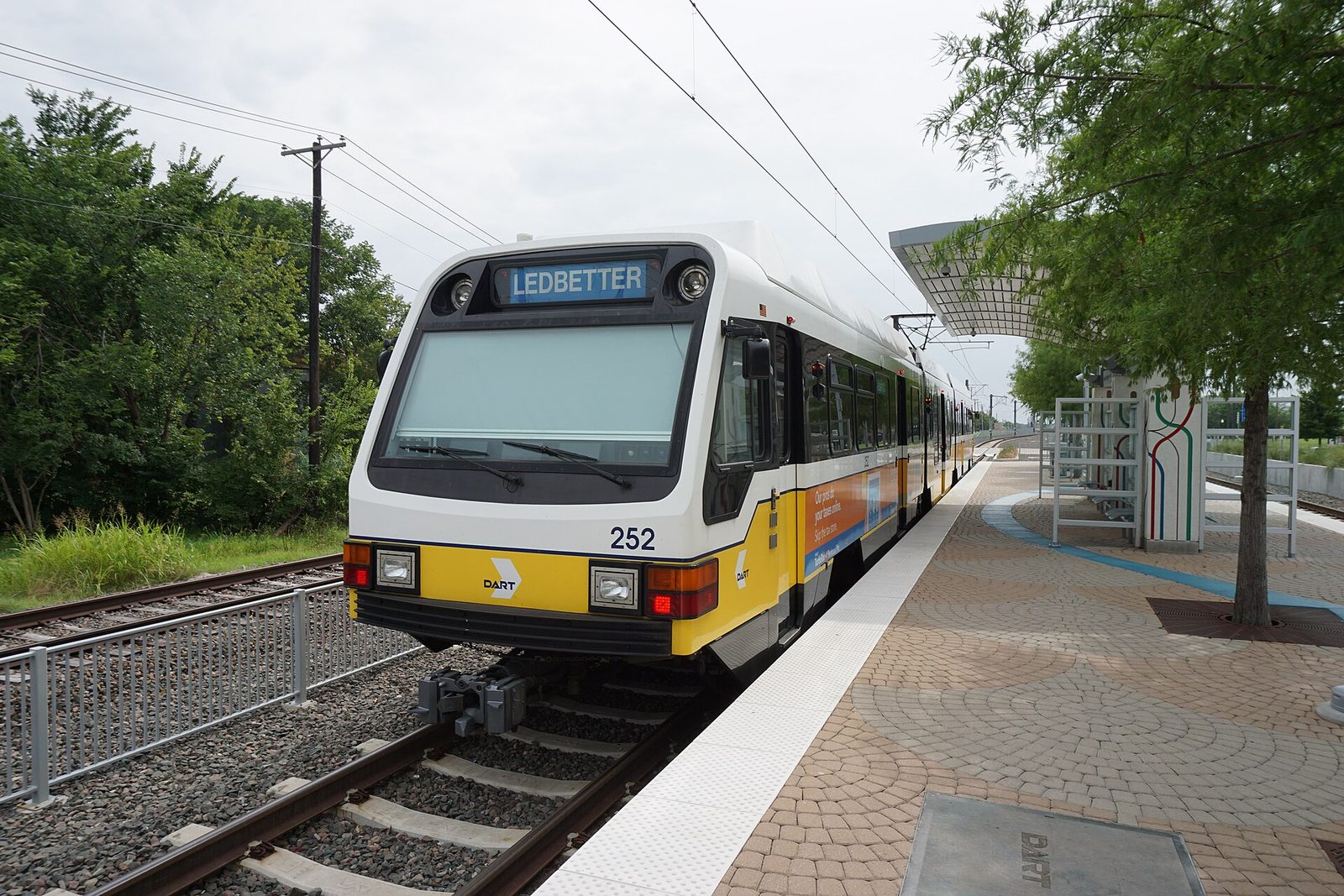
DART light rail is clean, cheap and genuinely useful along a north-south spine covering downtown, the Arts District, Uptown, Fair Park and both airports. A Regional Day Pass is $9, or $4.50 at the reduced rate for seniors, riders with disabilities, Medicare card holders and qualifying students. It was cut from $12 in March 2026, which makes it one of the better transit bargains in a large American city. Passes run until 3 a.m. the following day, so an evening out does not need a second fare. Buy through the GoPass app, a GoPass Tap card, or a vending machine at any rail station.
The M-Line Trolley is free. Restored vintage streetcars run between the Arts District, Klyde Warren Park, Uptown and West Village, connecting to DART at CityPlace/Uptown Station. It is slow and it is charming, and for the Uptown-to-downtown hop it is perfectly practical. The service is sponsor-funded and donations are optional.
Where transit stops being enough is the eastern and southern half of the map. The Arboretum, White Rock Lake and much of the best eating are awkward or slow without a car. Rideshare fills the gap at roughly $12 to $25 a hop in normal traffic, which is fine for two or three trips a day and expensive if you need six. A rental car earns its keep from day three onward, or immediately if Fort Worth is on the list.
Where should you base yourself?
This decision does more work than any other. Dallas neighborhoods are not really walkable to one another, so the district you sleep in becomes the one you experience casually, and everything else becomes a planned trip.
| District | Good for | The trade-off |
|---|---|---|
| Downtown / Arts District | Museums, Dealey Plaza, rail access, walking to Klyde Warren | Quiet at street level after dark on weeknights |
| Uptown | Restaurants, bars, the free trolley, leafy streets | Pricier rooms; few sights of its own |
| Deep Ellum | Live music, murals, independent bars, late nights | Genuinely loud on weekends |
| Bishop Arts | Independent shops, patios, a human scale | Small; you will commute to the museums |
| Design District | Galleries, breweries, newer hotels, river access | Almost nothing is walkable from it |
| Near Love Field | Short flights, cheaper parking, quick highway access | You will drive for everything |
For a first visit of two or three days, downtown or the Arts District is the straightforward answer. You can walk to the Sixth Floor Museum, the DMA, the Nasher and Klyde Warren Park, and both the rail and the trolley start at your door. Uptown is the better call if evenings matter more than mornings.
Deep Ellum deserves a specific warning alongside the recommendation. It has the best concentration of live music and street art in the city and it makes a genuinely good night out. It is also a working entertainment district, which means Friday and Saturday are loud until late. Stay there if that is the point of your trip, and visit but sleep elsewhere if it is not.
Two districts worth knowing about even if you do not stay in them: Lower Greenville and Knox/Henderson, both north-east of downtown, carry a lot of the city’s better mid-priced restaurants without the noise of Deep Ellum. Neither has sights as such. They are places to eat, which in Dallas is a legitimate reason to cross town.
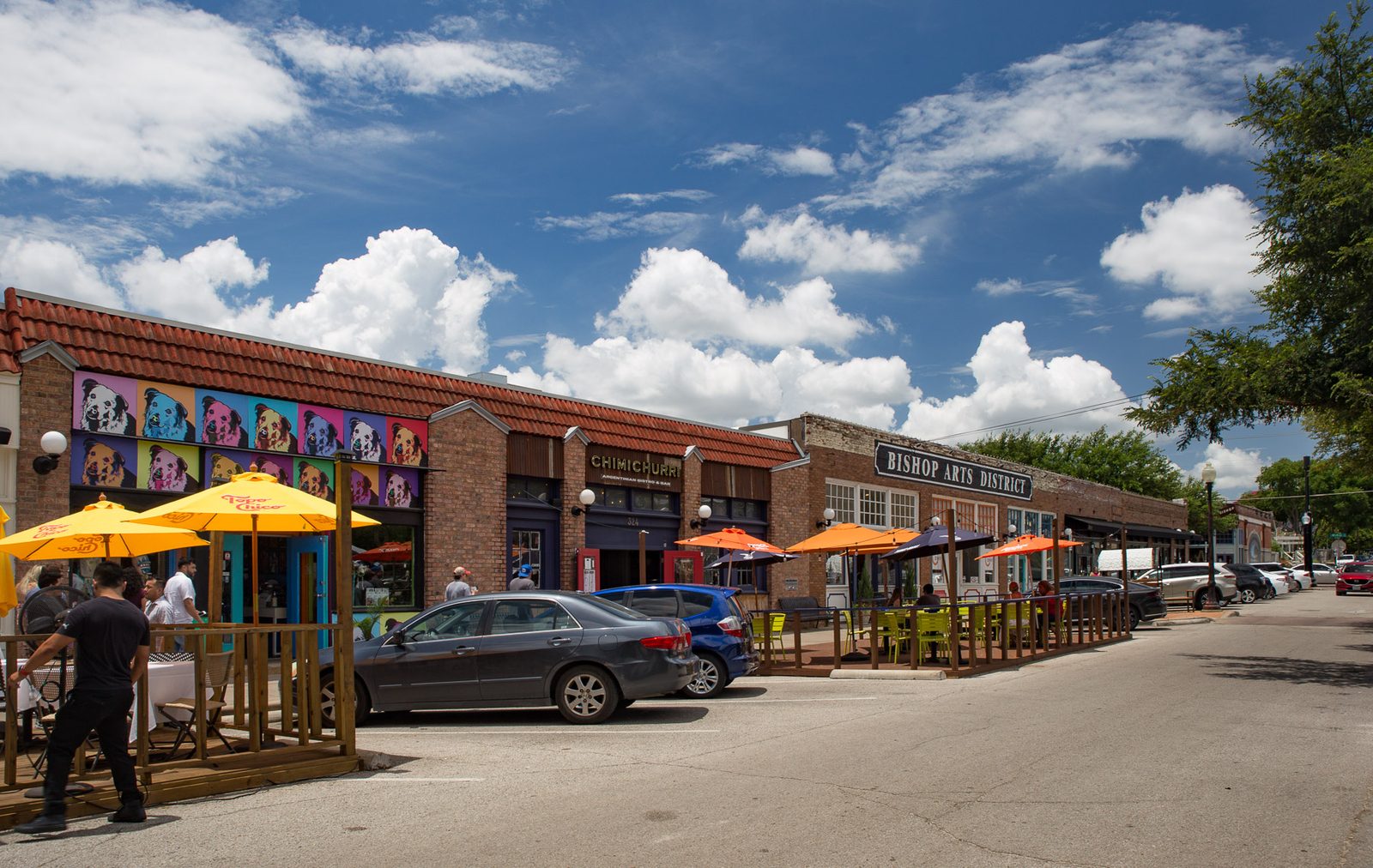
Which attractions are worth the ticket price?
Not all of them, and saying so is more useful than another ranked list. These are the honest verdicts.
The Sixth Floor Museum at Dealey Plaza is worth $27. It occupies the floor from which Lee Harvey Oswald shot President Kennedy, and it is a serious, restrained piece of museum-making rather than a spectacle. Allow 90 minutes to two hours. It opens Wednesday to Sunday, 10 a.m. to 5 p.m., with the last ticket sold and last entry at 4:15 p.m., so a late-afternoon drop-in fails more often than people expect. Dealey Plaza itself, immediately outside, costs nothing and is worth standing in for ten minutes whether or not you go inside.
The Dallas Museum of Art is the best value in the city, and it is free. The catch is procedural rather than financial: you still need a timed ticket for every person regardless of age, and it closes Monday and Tuesday. Hours are 11 a.m. to 5 p.m., Wednesday through Sunday, and special exhibitions are ticketed separately. Reserve online, because arriving without a reservation on a busy Saturday is the one way to turn a free museum into a wasted trip.
The Nasher Sculpture Center at $10 is the sharpest small-museum deal here. It sits across the street from the DMA, takes about an hour, and the garden is the point rather than a bonus. Show a DART fare and it drops to $8. The first Saturday of every month is free. From March to October the third Friday runs late as ’til Midnight at the Nasher, with the garden open until midnight, which is one of the better free-adjacent evenings in the city.
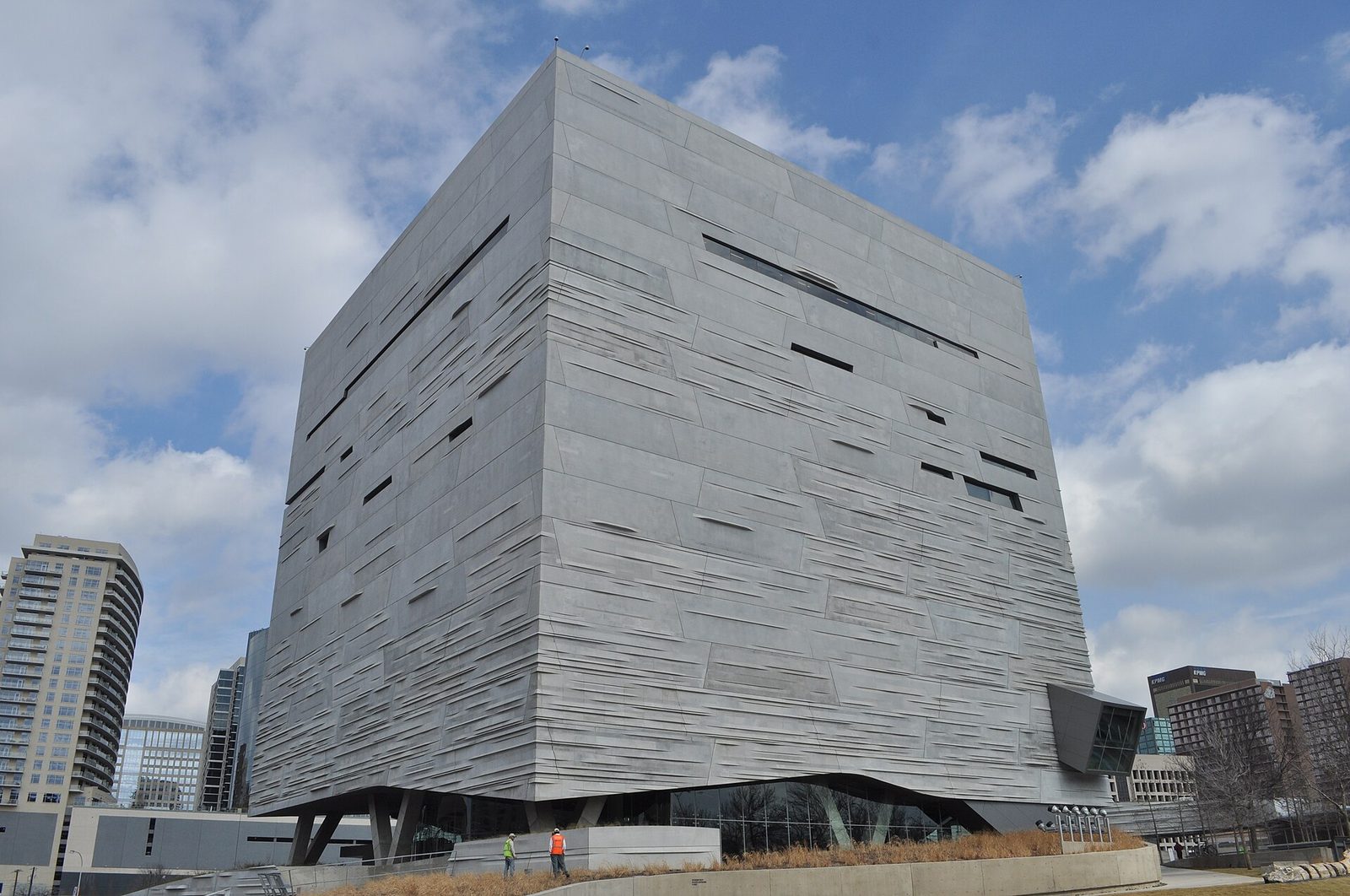
The Perot Museum at $27 is worth it with children and optional without them. The building is a serious piece of architecture and the exhibits are well made, but the experience is pitched at families. Note the parking: $15 in the museum lot on top of admission, which pushes a family of four comfortably past $100 before lunch. It closes Tuesdays through April 7, 2027.
Reunion Tower is the one to think hardest about. The GeO-Deck sits at 470 feet with indoor and outdoor viewing, and tickets are sold by date and time slot rather than at a flat rate, so check the price for your specific day. Self-parking is $10 and the final elevator leaves 30 minutes before closing. The honest calculation: Dallas has a low, spread-out skyline, so the view is pleasant rather than astonishing, and there is a good free version available by walking the Ronald Kirk Pedestrian Bridge at sunset with the towers behind you. Go up if you love an observation deck, and skip it without guilt if you do not.
The George W. Bush Presidential Center and the Dallas Holocaust and Human Rights Museum are the two serious museums most first-time itineraries leave out, and both sit on the CityPASS. The Bush Center is on the SMU campus north of downtown and takes a half day with the drive; the Holocaust and Human Rights Museum is downtown and is a heavier, more demanding visit than its size suggests. Neither is a filler stop, and neither belongs on a two-day trip unless it is the reason you came.
AT&T Stadium tours are in Arlington, roughly 20 miles west, and are a genuine draw for football fans and a long drive for everyone else. Treat it the way you would treat Fort Worth: a deliberate half day, not something you slot between museums.
What is free that beats the paid version?
Dallas is unusually strong here, and a trip built mostly on free attractions does not feel like a compromise.
- The Dallas Museum of Art — a major encyclopedic collection at no charge, which is rare at this scale in the United States.
- Klyde Warren Park — five acres of deck over a sunken freeway, with free fitness classes, live piano, chess and a rotating cast of food trucks. It draws more than two million visits a year and is the best single place to understand what modern Dallas is trying to be.
- Dealey Plaza — the site itself, with the grassy knoll and the markers on Elm Street.
- Deep Ellum’s murals — hundreds of them, free, and best in the hour before sunset.
- The Ronald Kirk Pedestrian Bridge — the skyline view people pay for, from the Trinity River side.
- Pioneer Plaza — a bronze cattle drive of 49 longhorns downtown, and an easy 20 minutes.
Free things go considerably deeper than this in Dallas, and they deserve fuller treatment than a bullet list inside a general guide.
What is on in Dallas right now
Two things dominate the next few weeks, and both are seasonal enough to change the answer to what you should do.
The State Fair of Texas runs September 25 to October 18, 2026 at Fair Park, open 10 a.m. to 9 p.m. Sunday through Thursday and until 10 p.m. on Friday and Saturday. This is not a small county fair. It is a three-week institution with its own art deco architecture, a 55-foot cowboy, and a deep-fried food culture that is genuinely part of Texan identity. Admission, food and midway rides are bought separately, with coupons covering the food and rides. Take DART to Fair Park rather than driving; parking during the fair is the single most common complaint about the whole event.
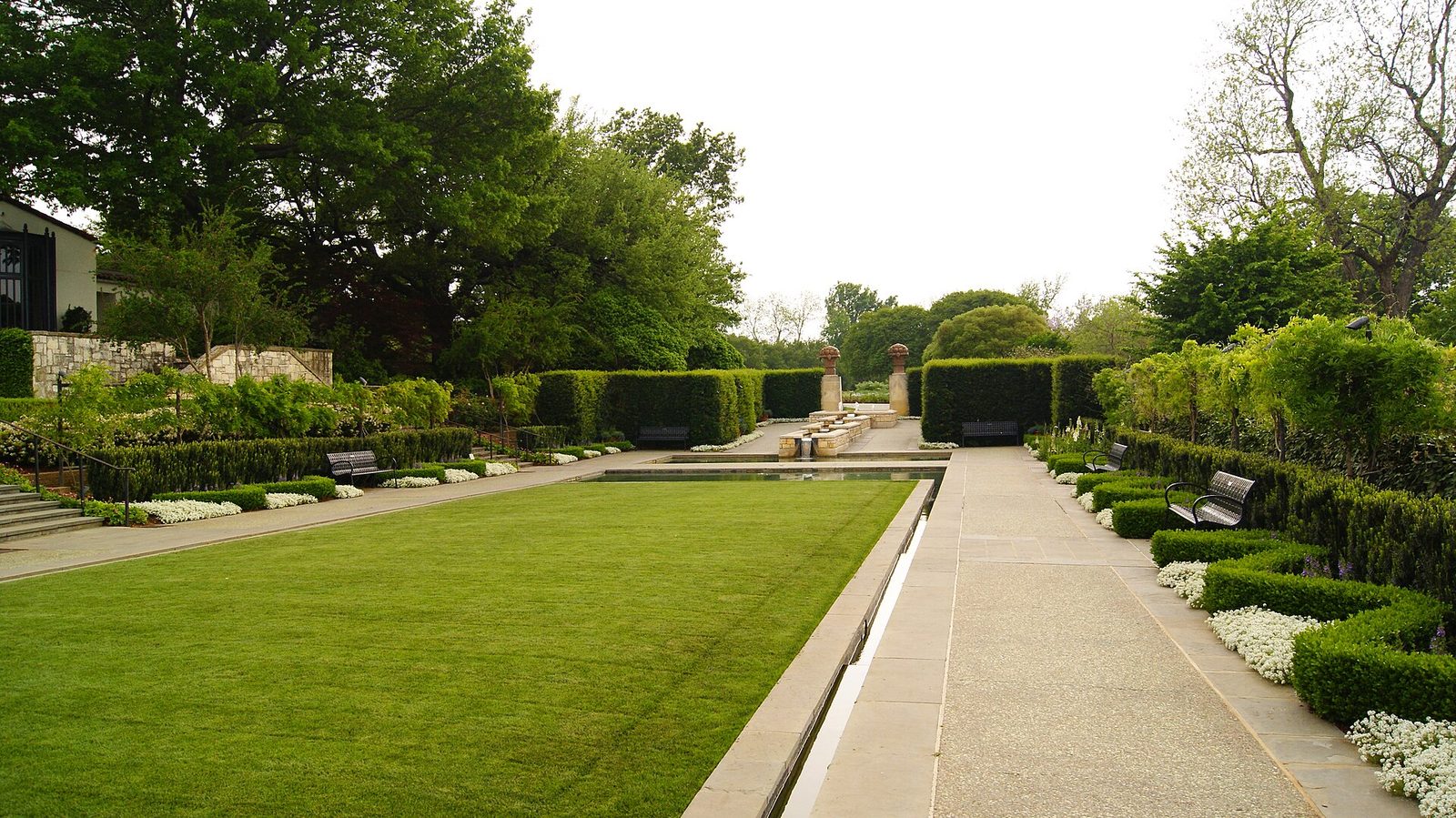
Autumn at the Arboretum runs September 19 to November 1, 2026 across the Arboretum’s 66 acres, with the pumpkin village the city photographs relentlessly every October. Ticket prices move with the festival calendar, so check the date you want rather than assuming a standard rate. Children under 16 must be accompanied by an adult, complimentary wheelchairs are available first-come, and trams do not run during evening events.
What Dallas is not, and why that is fine
Expectation management saves more trips than any tip. Dallas is not a walking city in the way Boston or Savannah are, and pretending otherwise produces a frustrating first day. It does not have one iconic, unmissable sight in the way Paris or Rome does; the Sixth Floor Museum comes closest, and it is a sombre one. It is not compact, not cheap on hotels during convention weeks, and not remotely designed around pedestrians.
What it does have is unusual depth in three areas that reward a planned visit: a genuinely world-class free art museum, a dense concentration of American history in a few city blocks, and a food scene that ranges from serious barbecue to some of the best Mexican food north of the border. Visitors who arrive expecting a compact European-style city centre leave disappointed. Visitors who arrive expecting a large, modern, spread-out American city with three or four exceptional things in it tend to leave impressed.
How accessible is Dallas for visitors?
Broadly good at the major sites, uneven on the street. The Dallas Museum of Art is fully wheelchair accessible with loaner wheelchairs at Guest Services, though supply is limited, so call ahead on a busy weekend. The Arboretum offers complimentary wheelchairs on a first-come basis, but trams and golf carts do not run during evening events. DART operates reduced fares at $4.50 a day for riders with disabilities and Medicare card holders.
Downtown sidewalks are wide and generally in good repair. Deep Ellum and Bishop Arts are older and patchier, with narrow sidewalks and uneven curb cuts in places. The heat is itself an accessibility issue between June and September for anyone with limited mobility or a cardiac or respiratory condition, because shade is scarce and distances are long. Plan indoor anchors and short outdoor hops in those months.
Frequently asked questions
How many days do you need in Dallas?
Two to three days covers the museums, Dealey Plaza and two neighborhoods at a comfortable pace. Add a fourth day for Fort Worth, and a fifth if you want the Arboretum and White Rock Lake without rushing.
What is the one thing you should not miss in Dallas?
The Sixth Floor Museum at Dealey Plaza, for its historical weight, or the Dallas Museum of Art if your interests run to art and you would rather spend the $27 on dinner. Both sit within a 15-minute walk of each other downtown.
Is Dallas walkable for tourists?
In pockets. Downtown, the Arts District and Klyde Warren Park connect on foot comfortably, as do Deep Ellum and Bishop Arts internally. Between districts you will want rail, the free M-Line Trolley, a rideshare or a car.
What is the best month to visit Dallas?
April or October. April averages a high of 77°F and October 79°F, both far more pleasant than the 97°F August average. October is also the wettest month at 4.79 inches, so pack for a shower.
Why are so many Dallas museums closed on Mondays?
It is a common American museum convention rather than anything local, but Dallas is unusual in how many major sites share it. The Dallas Museum of Art, the Nasher and the Sixth Floor Museum all close Monday and Tuesday, and the Perot closes Tuesday. Build a Monday around Klyde Warren Park, Deep Ellum, the Zoo or the Arboretum instead.
Do you need a car in Dallas?
Not for a short central trip. DART rail and the free M-Line Trolley cover downtown, the Arts District, Uptown and Fair Park well. You will want a car for the Arboretum, White Rock Lake, Fort Worth and most suburban dining.
Is Dallas expensive to visit?
Less than you would expect for a major American city, largely because the Dallas Museum of Art is free, the Nasher is $10 and Klyde Warren Park costs nothing. A day of transit is $9. The expensive line items are hotels during convention weeks and the $27 tickets at the Sixth Floor Museum and the Perot.
Is Dallas or Fort Worth better for a short trip?
Dallas for museums, food and nightlife; Fort Worth for the Stockyards, western history and a more walkable centre. If you have one day and want a compact, easy day out, Fort Worth is the better single day. If you have three, stay in Dallas and give Fort Worth one of them.
Where should you park downtown?
Assume you are paying for it, and check whether your attraction has its own lot before you circle the block. The Perot charges $15 in its own Lot B under Woodall Rodgers, Reunion Tower charges $10 for self-parking, and most downtown garages sit in a similar range for a few hours. If you are doing the Arts District and Dealey Plaza in one day, park once near Flora Street and walk between them rather than moving the car.
What should you do in Dallas when it rains?
The museum strip on Flora Street handles a wet day well: the DMA, the Nasher and the Perot are within a few blocks of each other, and the Sixth Floor Museum is a 15-minute walk south. Note the closure days before you plan around them.
If your list has narrowed to the ticketed sites and you now need prices, closing days and a running order, our guide to the best Dallas attractions lays them out side by side, including the detail that ruins more first trips than any other: the Dallas Museum of Art, the Nasher and the Sixth Floor Museum are all shut on Monday and Tuesday.
It is also where we do the arithmetic on the Dallas CityPASS rather than repeating the marketing. Three of the six attractions it covers already cost more at the gate than the pass itself, so the adult break-even is three visits and not four — but the pass leaves out the Sixth Floor Museum, the DMA, the Nasher and the Arboretum, which is most of what a first-time visitor actually wants. The full attraction-by-attraction breakdown shows where the money goes further and where it does not.
Whatever you end up doing, the eating decisions are worth making by district rather than by restaurant, because Dallas distances are real and three dinners in three neighborhoods can quietly add $90 in rideshare fares. Our Dallas food and dining guide maps cuisine to neighborhood to price to reservation risk, including the suburban barbecue joint that opens three and a half days a week and sells out most of them.
Before you book a room on rate alone, it is worth knowing that Dallas hotel pricing follows the convention calendar rather than the tourist season — a downtown room can cost double midweek during a big show and fall by half on a quiet August weekend. Our guide to the best areas to stay in Dallas covers the timing, the taxes and the parking that the advertised rate leaves out.
First-time visitors usually want the frame before the list: three full days is the right length, October and April are the best months, and arriving on a Wednesday is worth more than any single booking decision, because four of the city’s five headline museums close on Monday, Tuesday or both. Our complete Dallas travel guide sets out the planning framework, costs and common mistakes.
One practical note before you start slotting these into days: how you move between them changes which combinations actually work. Dallas rewards clustering by district, and the rail spine decides which clusters are cheap to link. Our guide to getting around Dallas breaks down current DART fares, which attractions are genuinely walkable from a station, and the handful of places where you need a car whether you wanted one or not.
If art is the reason you are coming, start with the Arts District — the Dallas Museum of Art is free, the Nasher is ten dollars, and the Crow costs nothing at all. Our museums and arts guide routes the whole district into walkable afternoons and explains which institutions close on which days.
Evenings deserve their own plan. Live music in Deep Ellum, rooftops downtown, a streetcar ride to Bishop Arts for a dollar: our guide to Dallas nightlife sets out what each district gives you, what it costs, and when last call actually lands.
Live sport is a genuine reason to visit this region, and the choice is wider than the Cowboys. Our Dallas sports guide covers all six teams, which venues you can reach without a car, the bag policy that catches visitors out, and why a Rangers game is the best-value ticket in North Texas.
Parks, trails and lakes get their own treatment, because the useful detail is not which ones exist but which have shade, water and a surface you can push a stroller along. Our outdoor Dallas guide covers the Katy Trail, White Rock Lake, Cedar Ridge Preserve and Cedar Hill State Park on exactly those terms.
Shopping earns a half day here, and an indoor one is the standard answer to a hot afternoon. Our guide to shopping in Dallas covers the malls, the outlets and the independent districts, along with the 8.25% sales tax and how international visitors reclaim part of it.
Travelling as a couple changes the calculus here. The Arts District becomes a walkable evening rather than a checklist, the third-Friday late opening at the Nasher turns into the best free night in the city, and the sunset over White Rock Lake is worth more than any ticketed view. Our guide to romantic things to do in Dallas sequences all of it by occasion and budget, with the costs for two people worked out in full.
Photo Credits
- Klyde Warren Park: photo by John P Salvatore, Wikimedia Commons (CC0)
- Dallas Museum of Art: photo by Kent Wang from Austin, TX, Wikimedia Commons (CC BY-SA 2.0)
- DART light rail: photo by Michael Barera, Wikimedia Commons (CC BY-SA 4.0)
- Bishop Arts District: photo by Renelibrary, Wikimedia Commons (CC BY-SA 4.0)
- Perot Museum of Nature and Science: photo by Joe Mabel, Wikimedia Commons (CC BY-SA 3.0)
- Dallas Arboretum and Botanical Garden: photo by Bibiscal, Wikimedia Commons (CC BY-SA 3.0)
- Dallas skyline (featured image): photo by Matthew T Rader, Wikimedia Commons (CC BY-SA 4.0)
Sources
- Dallas Museum of Art — Visit (admission, hours, accessibility)
- The Sixth Floor Museum at Dealey Plaza — Plan Your Visit (ticket prices, last entry)
- Nasher Sculpture Center — Visit (admission, DART discount, Free First Saturdays)
- Perot Museum of Nature and Science — Visit (admission, Tuesday closure, parking)
- Reunion Tower — Plan Your Visit (GeO-Deck height, ticketing, parking)
- Dallas Arboretum and Botanical Garden (Autumn at the Arboretum dates, garden policies)
- Dallas Zoo — Plan Your Visit (admission floor, opening days)
- Klyde Warren Park (free programming, visitor numbers)
- State Fair of Texas — Plan Your Visit (2026 dates and hours)
- DART — Regional fare adjustments effective March 1, 2026 (day pass pricing)
- DART — Fares (pass validity, GoPass)
- McKinney Avenue Transit Authority (M-Line Trolley) (free service, route)
- Dallas CityPASS (price, validity, included attractions)
- Visit Dallas — Top Things to Do (destination organization overview)
- Climate of Dallas (long-term monthly temperature and rainfall averages)
Prices, hours and event dates were checked in September 2026. Venues change them without much notice, so confirm with the operator before building a day around one.