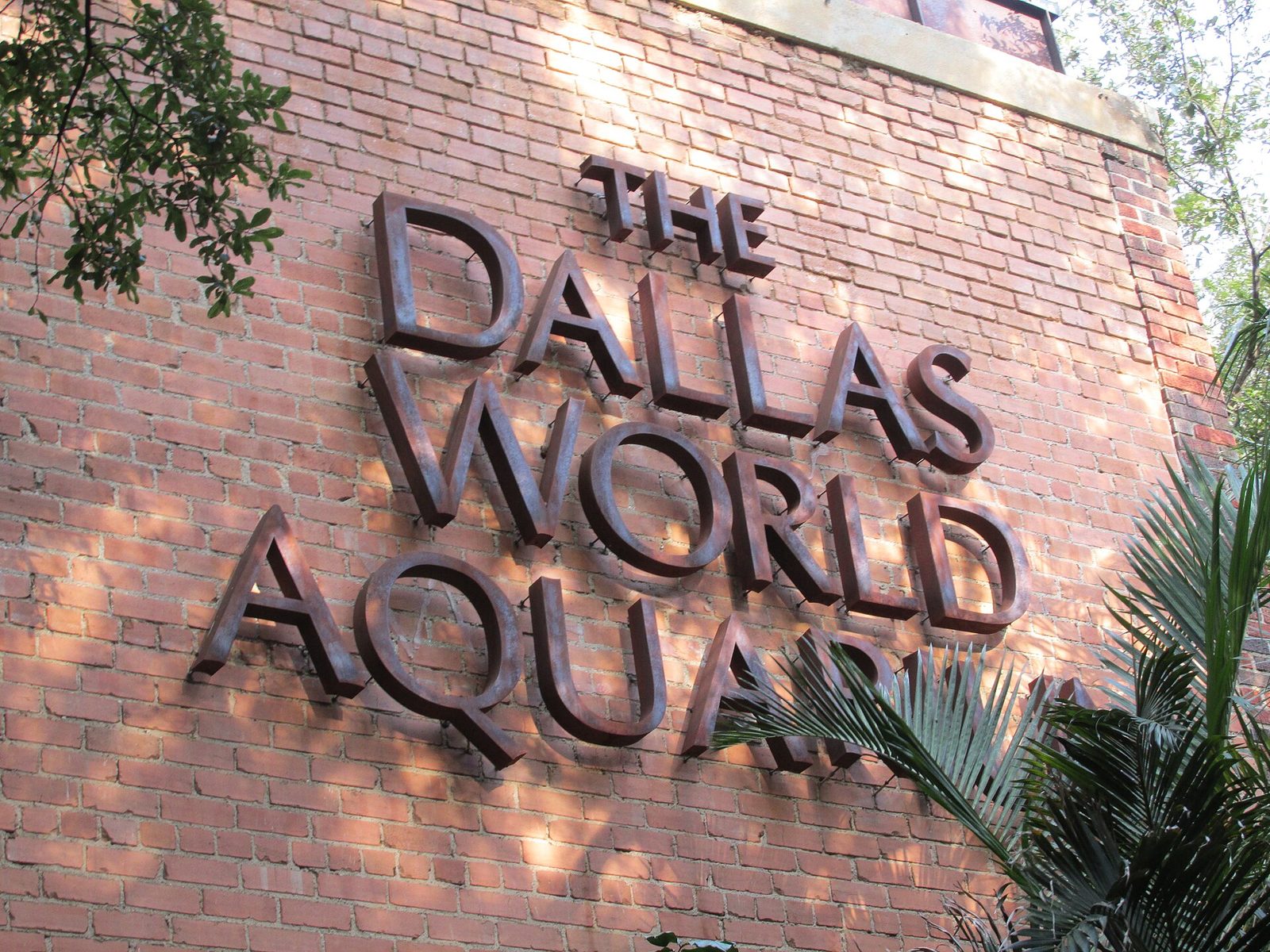
The first thing this Dallas World Aquarium visitor guide should tell you is that the name undersells it and slightly misleads. This is not a big-tank aquarium in the SeaWorld mould. It is a multi-level rainforest built inside a converted West End warehouse, with birds flying loose around you, sloths overhead and ocelots behind glass, and an aquarium attached. People who arrive expecting dolphins leave disappointed; people who arrive expecting a rainforest leave delighted.
It is also expensive — $34.95 plus tax for an adult — and it opens at 8:30 a.m., which is unusually early and turns out to be the single most useful fact about visiting it. Everything below was checked against the aquarium’s own pages in September 2026. Our guide to Dallas attractions sets it against the alternatives.
What does the Dallas World Aquarium cost, and when is it open?
The decision box. Note that every price is quoted before tax, which is unusual and adds up.
| Detail | Price or time | Note |
|---|---|---|
| Adult | $34.95 + tax | The headline rate |
| Child, ages 3–12 | $24.95 + tax | Under 3 free |
| Senior, 65+ | $28.95 + tax | $6 off the adult rate |
| Military, active and retired, plus one guest | $28.95 + tax each | Photo ID required |
| Hours | Monday–Sunday 8:30 a.m. – 5 p.m. | Open seven days |
| Last entry | 4 p.m. | Strictly enforced |
| Closed | Thanksgiving and Christmas Day | Christmas Eve last entry 2 p.m. |
| Address | 1801 N. Griffin Street, Dallas TX 75202 | West End |
(Checked September 2026.) Three things follow. Plus tax is doing real work in that table — a family of four with two adults and two children is budgeting around $120 before tax, so treat the headline as a floor. The 4 p.m. last entry catches a lot of people who assume a 5 p.m. close means a 4:45 p.m. arrival is fine. And the aquarium does not participate in any reciprocal membership programmes, so a zoo membership from another city buys you nothing here.
One more that matters for anyone comparison-shopping: the Dallas World Aquarium is not on the Dallas CityPASS. The pass covers four of six other attractions — the Perot, Reunion Tower, the Dallas Zoo, the Bush Museum, the Holocaust and Human Rights Museum and the AT&T Stadium tour. This is a separate ticket whichever way you plan it.
Is it an aquarium or a zoo?
Both, and the balance surprises people. The building runs across multiple levels and you walk it from the top down, descending through a rainforest canopy before you reach the water.
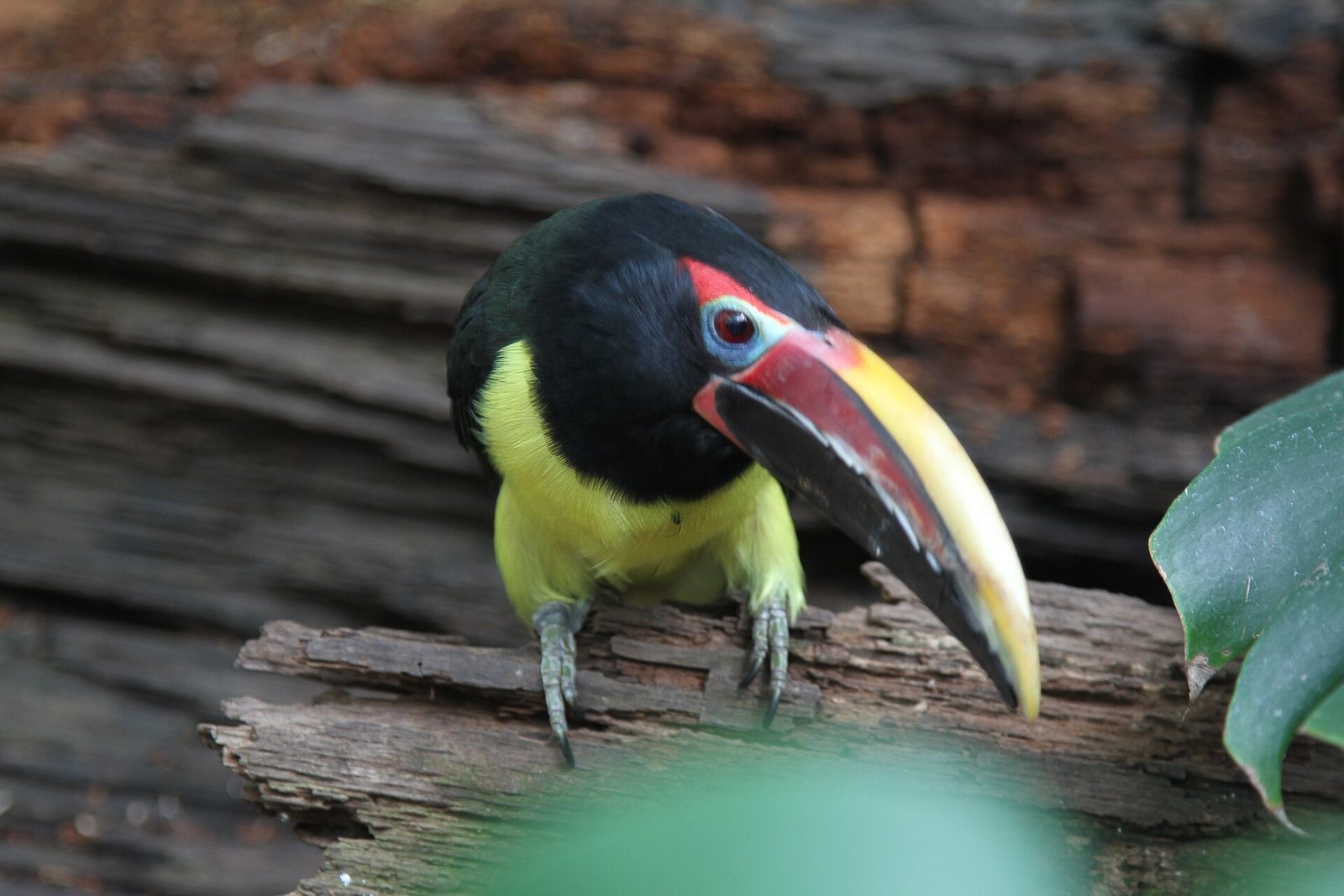
The aquarium’s own site organises the collection into five named exhibits: the Aquarium, Borneo, Mundo Maya, Orinoco and South Africa. Only one of those five is what most visitors would call an aquarium. The rest are habitat exhibits built around birds, mammals, reptiles and amphibians, with tanks woven through them.
| Exhibit | What it covers |
|---|---|
| Orinoco | The South American river basin — toucans, aracaris, sloths, tamarins, river stingrays |
| Mundo Maya | Mexico and Central America — ocelots, flamingos, owls, axolotls, cichlids, a large walk-through tank |
| Borneo | Southeast Asian species |
| South Africa | Southern African species |
| The Aquarium | The marine tanks proper |
If you take one thing from this guide, take that. Visitors who come expecting a conventional aquarium experience find it small for the money. Visitors who come understanding that they are paying for a dense, vertical, immersive rainforest collection in the middle of downtown Dallas generally think it is worth it.
What will you actually see?
An unusual collection, and genuinely strong on species that are uncommon elsewhere.
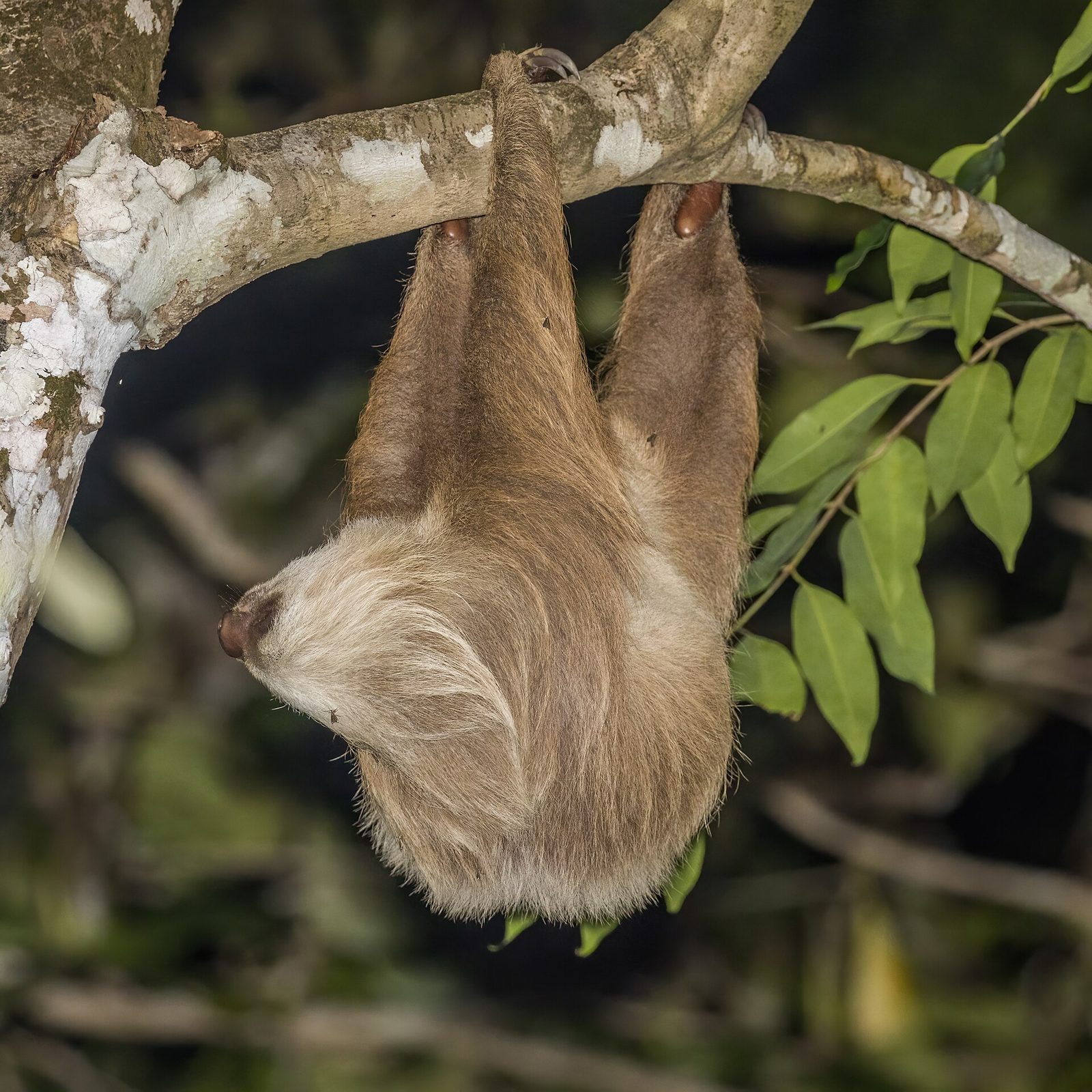
In the Orinoco exhibit, the aquarium lists saffron toucanets, many-banded aracaris, Humboldt’s lettered aracaris, hawk-headed parrots, prong-billed barbets and bare-faced curassows among the birds; pied tamarins, Hoffmann’s two-toed sloths and red-backed bearded sakis among the mammals; and ocellate river stingrays, which reach around two feet across, in the water. The aquarium notes that several of these — the prong-billed barbet and the many-banded aracari in particular — have historically been uncommon in zoos, and that it has had breeding success with them. That is a real distinction and not marketing.
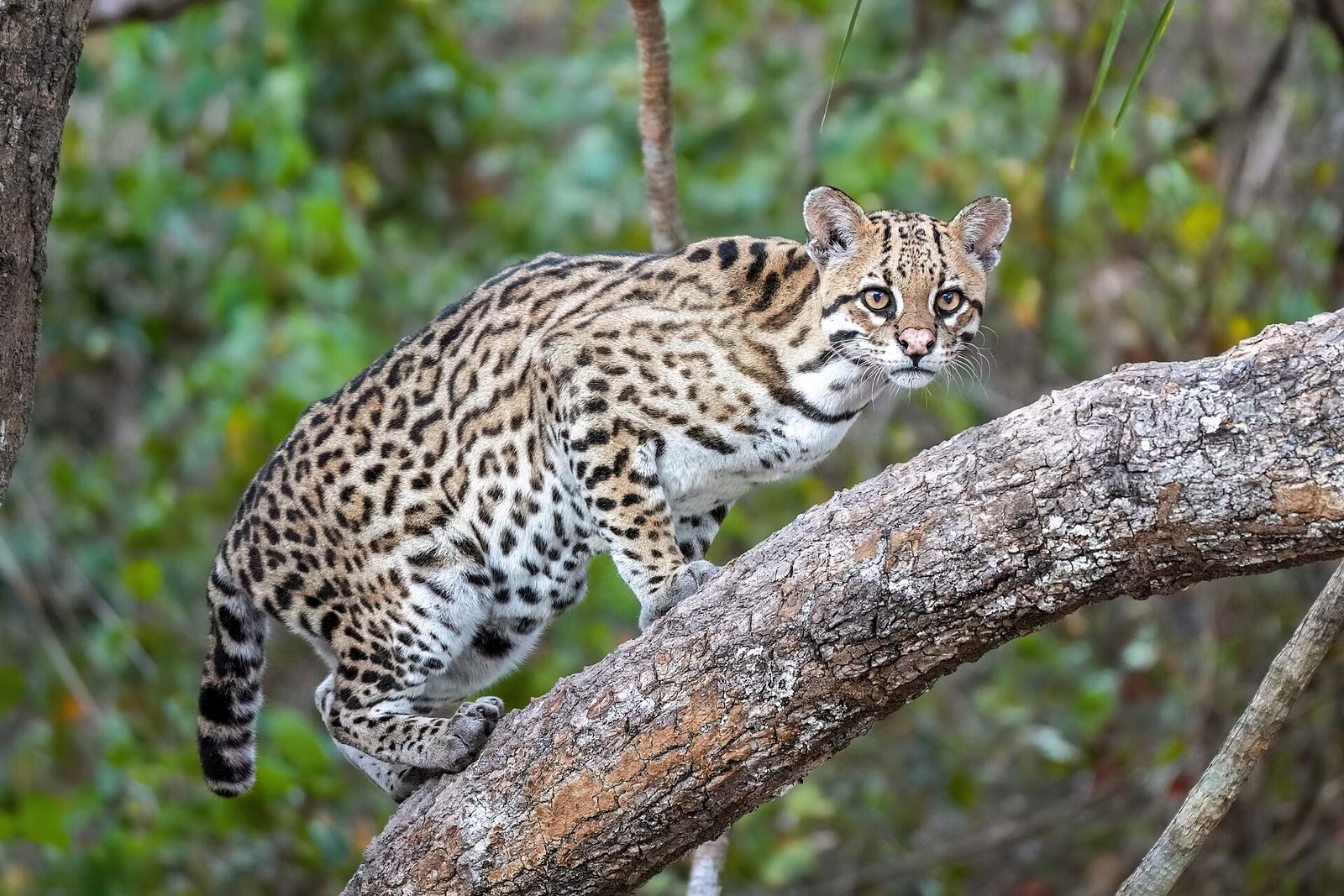
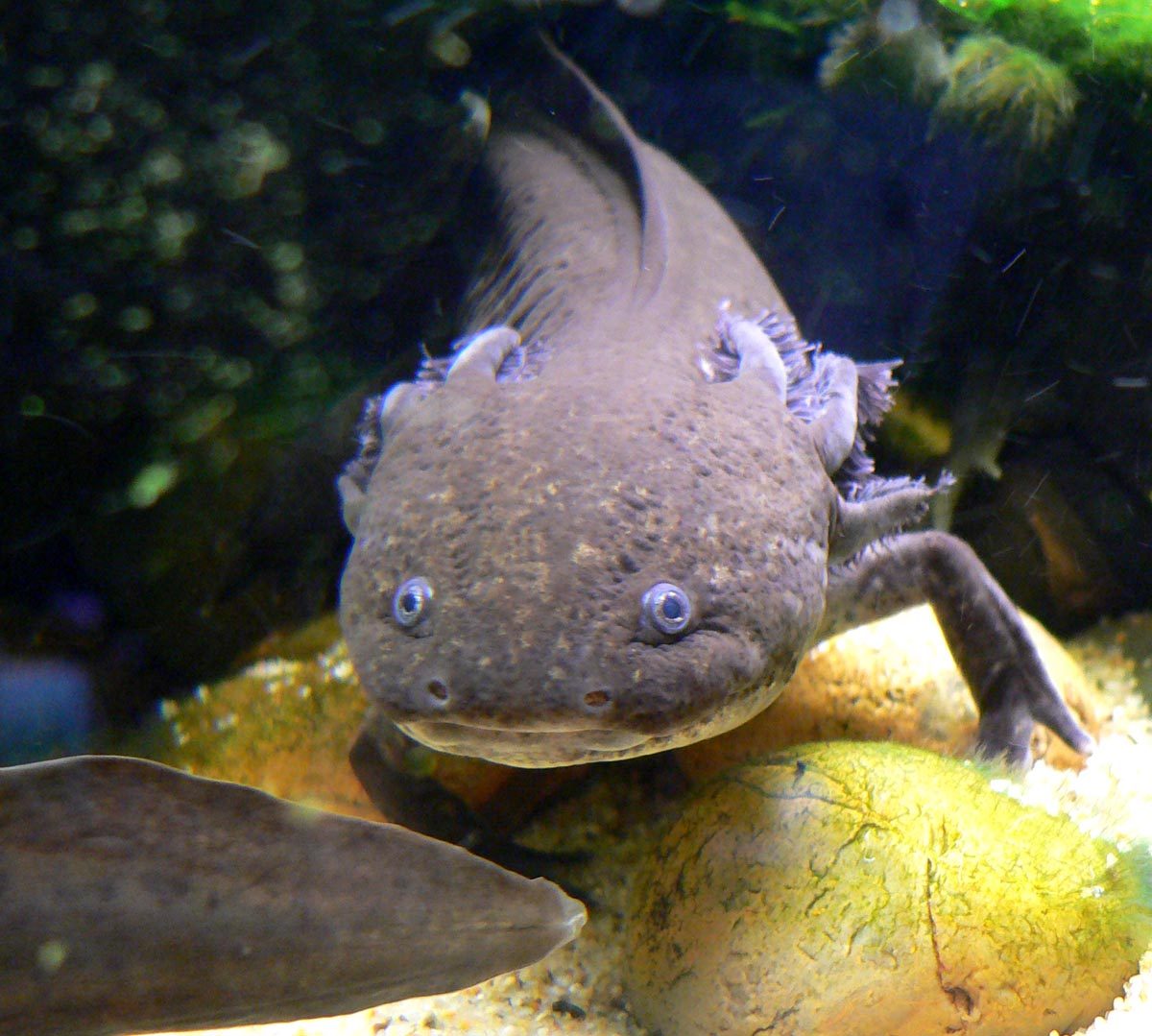
In Mundo Maya, the collection includes ocelots, American flamingos, spectacled owls and a black-and-white hawk-eagle, plus axolotls, jaguar cichlids, Jack Dempsey cichlids, red-eared sliders and hourglass tree frogs. The centrepiece is a large walk-through tank representing a cenote — the deep natural wells the Maya treated as sacred — with a tunnel beneath it. The aquarium does not publish the tank’s volume on its exhibit page, so treat the figures you will see quoted elsewhere as reported rather than confirmed; what is not in doubt is that it is the thing most people photograph.
How long do you need, and when should you arrive?
Two to three hours covers it properly. Ninety minutes is enough if you move.
Arrive at 8:30 a.m. This is the strongest single recommendation in this guide, and it works for three separate reasons.
First, the route is a one-way descent through a fairly narrow building. When it is busy, you move at the pace of the group in front of you, and there is no way around them. An empty building at opening is a completely different visit from a full one at two in the afternoon.
Second, the animals are more active early, particularly the birds.
Third — and this is the Dallas-specific reason — an 8:30 a.m. opening is rare in this city. The Dallas Museum of Art opens at 11 a.m., the Nasher at 11 a.m., the Sixth Floor Museum at 10 a.m., the Arboretum at 9 a.m. The aquarium is the only significant indoor attraction downtown that gives you something to do at half past eight, which makes it the natural first stop of a Dallas day rather than an afternoon filler. Do it first, be out by eleven, and the rest of the city has only just opened.
Remember the hard stop at the other end: last entry is 4 p.m., an hour before closing, and on Christmas Eve it moves to 2 p.m.
How do you get there, and where do you park?
It sits at 1801 N. Griffin Street in the West End, which is the most rail-connected corner of downtown Dallas.

By rail. West End Station is the obvious approach and it is a short walk away. A DART Local Day Pass costs $6.00 — $3.00 reduced — and covers rail, buses, GoLink, the Silver Line and the Dallas Streetcar until 3 a.m. the following morning. A 3-Hour Local Pass at $3.00 works if this is your only trip. Given downtown parking rates, this is comfortably the cheapest way in.
By car. There is a prepaid lot nearby, which includes designated accessible spaces. The aquarium asks you to give your parking spot number at check-in, so note it before you walk away from the car — this catches people out at the admission desk.
On foot. Downtown Dallas scores 95 for walkability and crosses in about 30 minutes, so if you are staying anywhere in the core you can walk. Between June and September, note that “walkable” and “pleasant” are different things at 97°F — which is another argument for the 8:30 a.m. slot. Our getting around Dallas guide covers the network.
What is the route through the building like?
This is the structural fact that shapes every other decision, and almost no guide explains it.
The Dallas World Aquarium is built inside a converted warehouse on a constrained downtown plot, which means it goes up rather than out. You enter, rise to the top, and then walk down through the collection on a continuous one-way route, descending from the rainforest canopy — where the birds are — through the mid-levels to the water at the bottom.
Three consequences follow, and they are the difference between a good visit and a frustrating one.
You cannot easily backtrack. If someone wants a second look at the sloths, that is a decision to make while you are standing there, not one you can defer. Walk slowly at the top; the temptation is to rush the canopy in order to reach the tanks, and the canopy is the better half.
Your pace is set by the group ahead. On a narrow descending route there is no overtaking lane. A school group ten metres in front of you is your speed for the next twenty minutes. This is why the 8:30 a.m. opening matters so much more here than at a large horizontal attraction like the Zoo or the Arboretum, where crowds disperse across acreage.
Look up constantly. A vertical collection puts a great deal of the animal life above head height — sloths, birds in the canopy, species using the upper vegetation. Visitors who walk it at eye level miss a substantial fraction of what they paid for, and the sloths in particular are famously easy to walk straight past.
The building spans multiple levels, with a nursing station on Level 2 in the Orinoco Rainforest section and a quiet seating area on Level 1 nearby — useful markers for anyone who needs to plan a pause into the route rather than improvising one.
What about food and facilities?
There is dining on site, and the thing worth knowing is that it is positioned rather than incidental — the café in the Mundo Maya section sits high in the building with views over the exhibit below, which makes it a genuine stop rather than a vending area. Its hours are limited and weekend-weighted, so check on the day rather than planning lunch around it.
The wider practical picture is better than it sounds for a downtown attraction. All restrooms include wheelchair-accessible stalls and most have baby-changing stations. The nursing station and the quiet seating area are both signposted on the official accessibility information rather than being informal arrangements.
If lunch matters more than the view, the better plan is to finish the aquarium by eleven and walk into the West End or on to Klyde Warren Park, where the food truck rotation costs nothing to browse and you are outside. In a two-to-three hour visit, eating afterwards rather than inside is usually the better use of both time and money.
How does it fit into a Dallas trip?
Better than its price suggests, because of when it is open rather than what is in it.
Dallas has a scheduling problem that catches most first-time visitors: the Dallas Museum of Art, the Nasher Sculpture Center and the Sixth Floor Museum all close on Monday and Tuesday, and the Perot Museum closes Tuesday. That removes four of the city’s signature indoor attractions from the start of a typical week.
The Dallas World Aquarium is open seven days a week. So are the Dallas Arboretum, the Dallas Zoo and the George W. Bush Presidential Center. On a Monday or Tuesday, those four are effectively the city’s indoor and outdoor A-list, and the aquarium is the only one of them in the middle of downtown.
That produces a clean rule for a three-day trip. Put the aquarium on your Monday or Tuesday, put the Arts District and the Sixth Floor Museum on a Wednesday through Sunday, and you never lose a morning to a locked door. If your trip is entirely at the weekend, do the aquarium first thing on the Saturday — 8:30 a.m. on a Saturday is still quiet, and by the time the crowds arrive you are drinking coffee somewhere else. Our Dallas itineraries guide builds this into full plans.
Is the Dallas World Aquarium worth $34.95?
It depends entirely on what you think you are buying, so here is the honest comparison.
| Attraction | Adult price | Time needed | Open |
|---|---|---|---|
| Dallas World Aquarium | $34.95 + tax | 2–3 hours | Daily 8:30–5, last entry 4 |
| Perot Museum | $27 | 2–3 hours | Closed Tuesdays |
| Sixth Floor Museum | $27 | 1.5–2 hours | Wed–Sun only |
| Dallas Zoo | From $18 | 3–4 hours | 364 days a year |
| Dallas Arboretum | $21.95–$25.95 + $15 parking | 2.5–3 hours | Daily 9–5 |
| Dallas Museum of Art | Free, timed ticket | 1.5–3 hours | Wed–Sun 11–5 |
(Checked September 2026.) On price per hour, it is the most expensive attraction in this table, and the Dallas Zoo starts at half the price for a longer visit. That is the case against.
The case for is that it is not really comparable to any of them. There is nothing else in Dallas — and not much anywhere — that puts a multi-level rainforest with free-flying birds and a walk-through tank inside a downtown warehouse you can reach on a $6 day pass. It is also open seven days a week and from 8:30 a.m., in a city where the three museums most visitors want are shut on Mondays and Tuesdays. On a Monday or Tuesday in Dallas, this is one of the best things open, and that alone justifies the ticket on the right day.
The verdict: worth it once, early in the morning, especially with children or on a day when the museums are closed. Not worth it as a second visit, and not worth it at 3 p.m. on a busy Saturday.
How accessible is the Dallas World Aquarium?
Well provided for, and the aquarium publishes its provisions properly — which, as our accessible Dallas travel guide sets out, is not universal in this city.
Access to every exhibit. The aquarium states that pathways with ramps and elevators allow guests in wheelchairs to reach all exhibits, and the main entrance has an accessible ramp. For a multi-level building, that is a meaningful commitment rather than a partial one.
Loaner wheelchairs. Complimentary manual wheelchairs are available on a first-come, first-served basis; you leave an ID at admission.
Parking. The prepaid lot nearby includes accessible spaces. Give your spot number when you check in.
Service animals are welcome under ADA guidelines, must remain leashed or tethered at all times, and you should check in at admission before going through.
Sensory support. There is a two-page sensory guide, published in English and Spanish, to help visitors prepare — the kind of small, concrete provision that makes a real difference and that very few attractions bother with.
Facilities. All restrooms include wheelchair-accessible stalls and most have baby-changing stations. There is a nursing station on Level 2 in the Orinoco Rainforest section, with a quiet seating area on Level 1 nearby — worth knowing about as a decompression point regardless of why you need it.
Is it good for children?
Very, with two caveats.
It is close to ideal for younger children: the animals are close, the route is continuous so there is no route-planning argument, the whole visit fits inside a two-hour attention span, and there is a nursing station and a quiet seating area if things go sideways. Under-3s are free and 3 to 12 pay $24.95 plus tax.
The first caveat is cost. Two adults and two children run past $120 before tax, which is a lot for two hours. If the budget is the constraint, the Dallas Zoo starts at $18 and runs longer, and the Dallas Museum of Art is free.
The second is crowds. The one-way route through a narrow building is the aquarium’s charm at 8:30 a.m. and its weakness at 2 p.m. on a Saturday, when a stroller in a queue is nobody’s idea of a good time. Go early. Our Dallas with kids guide covers the wider options.
What should you pair it with?
Its location is the best thing about its logistics: the West End puts several major sights inside a few blocks.

The Sixth Floor Museum is the natural companion: $27 for adults, $25 for seniors, $23 for youth 6 to 18, Wednesday to Sunday 10 a.m. to 5 p.m. with the last ticket at 4:15 p.m. Aquarium at 8:30, Sixth Floor at 10:30, and you have done the two things most first-time visitors to Dallas come for before lunch.
The Arts District is a short walk or one rail stop: the Dallas Museum of Art is free with a timed ticket and the Nasher Sculpture Center is $10, or $8 with proof of DART fare. Both open at 11 a.m. and both close Monday and Tuesday.
Klyde Warren Park for lunch from the food trucks, free, and a sit-down after a morning on your feet. Our Dallas itineraries guide sequences a full day around this cluster.
Where does the West End fit in?
The aquarium’s address does more work than its marketing does, because the West End is the densest historic quarter in Dallas and almost everything in it is within a few hundred metres.
This is the district of restored red-brick warehouses immediately north-west of downtown’s towers, and it contains Dealey Plaza, the former Texas School Book Depository that now houses the Sixth Floor Museum, a DART station served by multiple lines, and a run of restaurants and bars along the brick streets. It is the one part of Dallas that reads as a walkable historic centre rather than a grid of towers and car parks.
For a visitor, that produces an unusually efficient morning. The aquarium opens at 8:30 a.m.; the Sixth Floor Museum opens at 10 a.m. Wednesday to Sunday. Two of the three things most first-time visitors to Dallas have on their list are therefore doable before lunch, on foot, from one rail station, with no car involved at any point.
It also gives you a fallback. If the aquarium queue looks bad, or your group is split on whether it is worth the money, the West End has enough around it that nobody is stranded — which is not true of the Arboretum or the Zoo, where arriving and changing your mind means a long drive back. Our Dallas neighborhoods guide covers the district in full.
What should you know before you book?
A short checklist of the things that actually cost people money or time at this particular attraction.
- Prices are quoted before tax. Every figure the aquarium publishes carries “+ tax”, so the number on your card is higher than the number on the page. Budget accordingly, particularly for a family.
- Last entry is 4 p.m., an hour before the building closes. A 4:30 p.m. arrival is not a short visit; it is no visit.
- Note your parking space number. The prepaid lot requires you to give the spot number at check-in, and walking back out to look is a tedious start.
- No reciprocal memberships. If you hold a zoo or aquarium membership elsewhere, it is worth nothing here — the aquarium states it participates in no reciprocal programmes at all.
- Not on the CityPASS. Budget it separately from any pass you have bought.
- Service animals must check in at admission before going through, and stay leashed or tethered throughout.
- Download the sensory guide first if it is relevant. It runs to two pages, in English and Spanish, and it is designed to be read before you arrive rather than at the door.
- Go at opening. Every other item on this list is a detail. This one is the visit.
What’s not worth it at the Dallas World Aquarium?
The honest verdicts.
A late-afternoon visit. Last entry is 4 p.m., the building is at its fullest from early afternoon, and the one-way route means crowding is not something you can walk around. The 8:30 a.m. opening exists; use it.
Arriving expecting a big-tank aquarium. This is a rainforest collection with an aquarium in it. If someone in your group specifically wants a large marine aquarium experience, manage that expectation before you buy four tickets.
Buying it as part of a CityPASS plan. It is not included. If you have bought a CityPASS for the Perot, the Zoo, Reunion Tower and the Bush Museum, this is a separate $34.95 on top.
Relying on a reciprocal membership. The aquarium participates in no reciprocal programmes at all. Your home zoo or aquarium card is worth nothing here.
Treating it as a whole day. Two to three hours is the realistic visit. Budget the rest of the day for something else, ideally the West End cluster next door.
Frequently asked questions
How much are Dallas World Aquarium tickets?
Adults are $34.95 plus tax, children aged 3 to 12 are $24.95 plus tax, and under-3s are free. Seniors aged 65 and over pay $28.95 plus tax, as do active-duty and retired military plus one guest with photo ID. All prices are quoted before tax.
What time does the Dallas World Aquarium open?
8:30 a.m., seven days a week, closing at 5 p.m. with a strict last entry at 4 p.m. It closes on Thanksgiving and Christmas Day, and on Christmas Eve the last entry moves forward to 2 p.m.
How long does the Dallas World Aquarium take?
Two to three hours for a proper visit; ninety minutes if you move steadily. The route is a one-way descent through multiple levels, so your pace is partly set by the people in front of you — which is the argument for arriving at opening.
Is the Dallas World Aquarium on the Dallas CityPASS?
No. The CityPASS covers four of six attractions: the Perot Museum, Reunion Tower, the Dallas Zoo, the George W. Bush Presidential Museum, the Dallas Holocaust and Human Rights Museum and the AT&T Stadium tour. The aquarium is a separate ticket, and it accepts no reciprocal memberships either.
Is the Dallas World Aquarium worth it?
Once, early, yes — particularly on a Monday or Tuesday when the Dallas Museum of Art, the Nasher and the Sixth Floor Museum are all closed. It is the most expensive attraction in the city per hour, and it is also the only one of its kind. Go at 8:30 a.m. and it is a very good two hours.
Where do you park at the Dallas World Aquarium?
There is a prepaid lot nearby with designated accessible spaces. Note your spot number before you leave the car, because you give it at check-in. West End Station is close enough to make a $6.00 DART Local Day Pass the cheaper option.
Is the Dallas World Aquarium wheelchair accessible?
Yes. The aquarium states that ramps and elevators give wheelchair users access to all exhibits, with an accessible ramp at the main entrance. Complimentary manual wheelchairs are available first come, first served with an ID at admission, and all restrooms have wheelchair-accessible stalls.
What animals are at the Dallas World Aquarium?
Across five exhibits — the Aquarium, Borneo, Mundo Maya, Orinoco and South Africa — the collection includes ocelots, American flamingos, spectacled owls, axolotls, Hoffmann’s two-toed sloths, pied tamarins, several toucan and aracari species, hawk-headed parrots, ocellate river stingrays and a large walk-through cenote tank.
The tightest pairing in the West End runs in this order: the aquarium at 8:30 a.m., then the Sixth Floor Museum on a timed slot from 10 a.m., both on foot from West End Station. Note that the museum closes Monday and Tuesday while the aquarium opens seven days, which decides the order on those days. Our Sixth Floor Museum visitor guide has the timings and prices.
Related Dallas Guides
- Dallas attractions — the full list with hours and prices
- Dallas Arboretum visitor guide — the other big ticketed day out
- Dallas with kids — where else to take children in the city
- Getting around Dallas — DART fares and the West End connection
- Accessible Dallas travel guide — venue-by-venue access provisions
- Dallas history — Dealey Plaza and the West End, next door
- Dallas museums and arts — and the Monday–Tuesday closure trap
- Dallas on a budget — where the free alternatives are
- Dallas itineraries — a full day built around the West End
- Dallas neighborhoods — the West End and the rest
Photo Credits
- Green aracari (species photograph): photo by Jim Capaldi from Springfield, USA, Wikimedia Commons (CC BY 2.0)
- Hoffmann’s two-toed sloth (species photograph): photo by Charles J. Sharp, Wikimedia Commons (CC BY-SA 4.0)
- Ocelot (species photograph): photo by Giles Laurent, Wikimedia Commons (CC BY-SA 4.0)
- Axolotl (species photograph): photo by Stan Shebs, Wikimedia Commons (CC BY-SA 3.0)
- West End Station, Dallas: photo by Michael Barera, Wikimedia Commons (CC BY-SA 4.0)
- West End Historic District, Dallas: photo by David Wilson from Oak Park, Illinois, USA, Wikimedia Commons (CC BY 2.0)
- Dallas World Aquarium (featured image): photo by Awardgive, Wikimedia Commons (Public domain)
Sources
- Dallas World Aquarium — Hours and Prices (checked September 2026)
- Dallas World Aquarium — Accessibility (checked September 2026)
- Dallas World Aquarium — Orinoco (checked September 2026)
- Dallas World Aquarium — Mundo Maya (checked September 2026)
- Dallas World Aquarium — Borneo (checked September 2026)
- Dallas World Aquarium — South Africa (checked September 2026)
- Dallas CityPASS — included attractions (checked September 2026)
- DART — Fares (checked September 2026)
- The Sixth Floor Museum at Dealey Plaza (checked September 2026)
- Perot Museum of Nature and Science (checked September 2026)
- Dallas Zoo — Plan Your Visit (checked September 2026)
- Downtown Dallas Inc — Getting Around (checked September 2026)