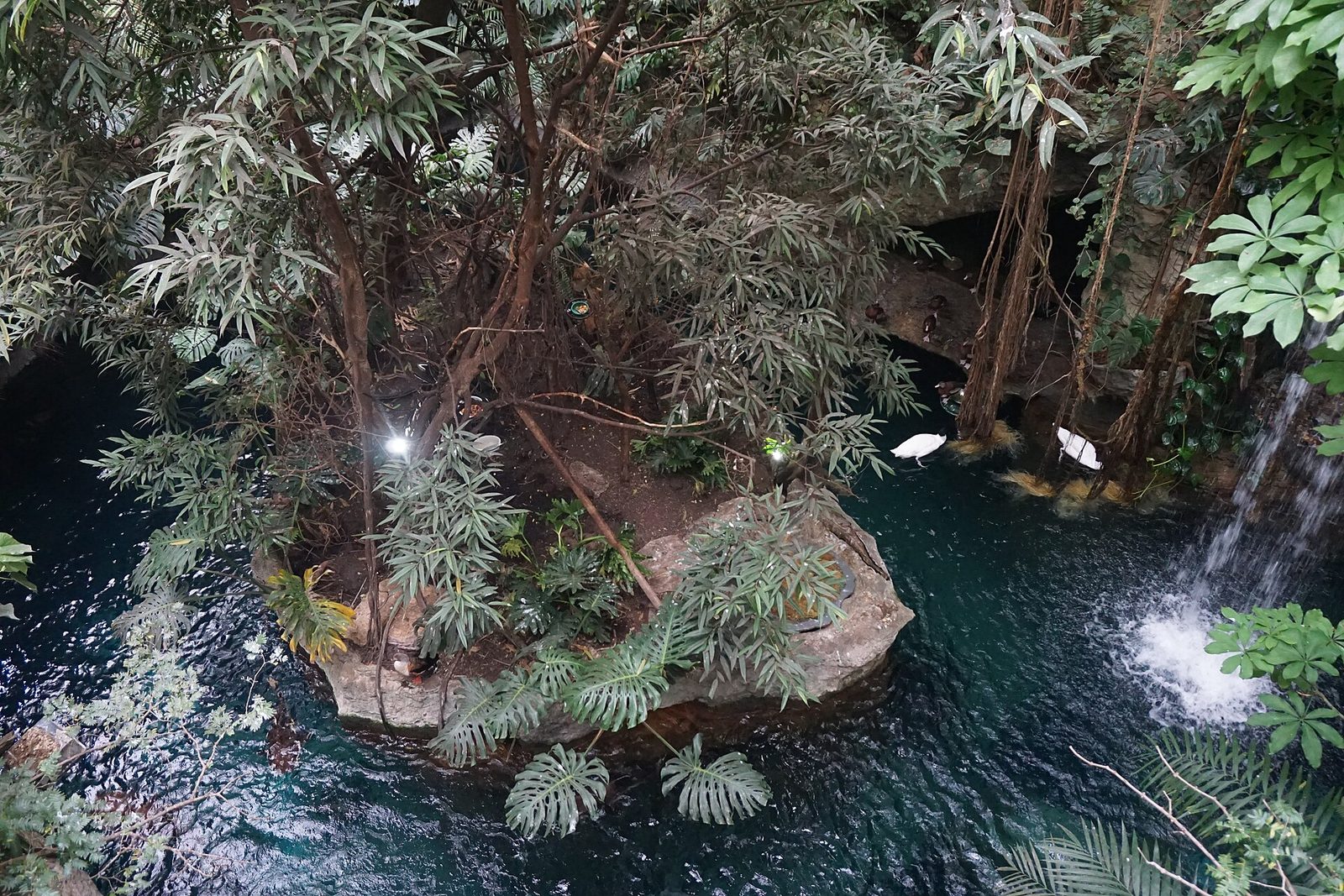
The best things to do in Dallas with kids depend far more on your children’s ages and on the month you visit than on any ranked list. A four-year-old and a fourteen-year-old want almost nothing in common here, and a July afternoon at 97°F removes half the options regardless of age. This guide sorts the city by age band, by nap window, by heat and by sensory load, with the real cost of each day attached.
Dallas is a genuinely strong family destination and an underrated one. It has a rainforest you walk down through, a science museum with an escalator on the outside of the building, the largest zoo in Texas, an eight-acre children’s garden that is included in the ticket rather than sold separately, and a deck park over a freeway with a playground, a splash area and free programming all year.
What it does not have is forgiving weather or short distances. The plans below are built around both. Prices, hours and programme times were checked in September 2026 against each operator’s own site.
Dallas With Kids at a Glance: What Works at What Age
Find your age band, then read only those sections.
| Attraction | 0–4 | 5–10 | 11–14 | 15+ | Adult cost |
|---|---|---|---|---|---|
| Dallas World Aquarium | Excellent | Excellent | Good | Fair | $34.95 + tax |
| Perot Museum | Fair | Excellent | Excellent | Good | $27 |
| Dallas Zoo | Good | Excellent | Good | Fair | From $18 |
| Klyde Warren Park | Excellent | Excellent | Good | Good | Free |
| Children’s Adventure Garden | Good | Excellent | Good | Fair | In Arboretum ticket |
| Sixth Floor Museum | No | No | Good | Excellent | $27 |
| Bush Museum | Poor | Fair | Good | Excellent | $26 |
| Dallas Museum of Art | Fair | Good | Good | Good | Free, ticket needed |
| Pioneer Plaza | Good | Good | Fair | Fair | Free |
| Reunion Tower | Fair | Good | Good | Good | Priced by date |
Two patterns to notice. The under-fives are best served by the free tier and the aquarium, not by the museums. And the teenage years flip the whole table: the Sixth Floor Museum and the Bush Museum go from unsuitable to the best things in the city, while the zoo and the aquarium lose their pull.

What Are the Best Things to Do in Dallas With Toddlers?
Fewer, shorter, and closer together than you are planning. With under-fives, two activities a day is the ceiling and one of them should be outdoors.
The Dallas World Aquarium is the single best toddler attraction in the city. You enter at the top and walk down through a rainforest canopy, which means the animals — sloths, toucans, monkeys, manatees — are at child height rather than above it behind glass. It is a continuous descending route, so there is no backtracking and no map to follow. Two hours is plenty. Adult $34.95 plus tax, child aged 3 to 12 $24.95 plus tax, under-2s free, open daily 08:30 to 17:00 with last entry at 16:00.
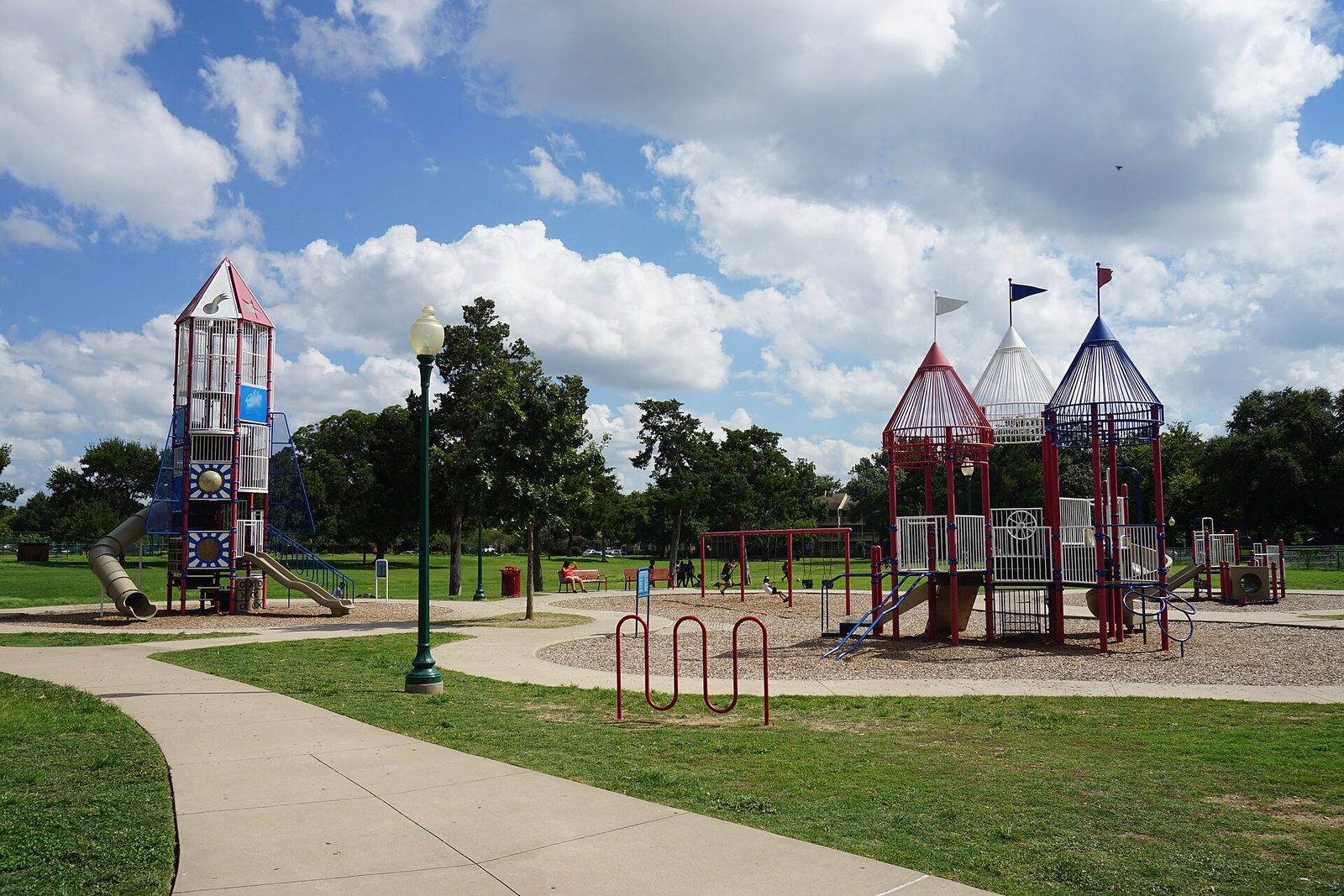
Klyde Warren Park is the free anchor: a playground, a fountain and splash area, room to run, food trucks and rotating children’s programming, all with no admission. It is central, it is shaded in parts, and it works as a release valve between anything else you do.
Pioneer Plaza is unexpectedly good with small children. It is a bronze cattle drive across a downtown hillside, outdoors, free, open at all hours, and children can walk among life-sized longhorns. Twenty minutes, no tickets, no queue.
The Rory Meyers Children’s Adventure Garden at the Dallas Arboretum runs Little Adventurers programming aimed squarely at this age: storytime at 10:30 Monday to Friday at First Adventure, and a puppet show at 10:30 on Saturday and Sunday in The Glade. Both are gentle and short.
What to skip with toddlers: the Sixth Floor Museum, which is quiet, text-heavy and about an assassination; the Bush Museum, which involves airport-style security and a long walk; and any attempt to do two indoor museums in one day.
What Works for Ages Five to Ten?
The sweet spot. This is the age band Dallas serves best, and you can genuinely do three things in a day.
The Perot Museum of Nature and Science is the anchor. Hands-on exhibits across several floors, a dinosaur hall, and a building with an escalator running up the outside of it that children talk about afterwards more than some of the exhibits. Adult $27, youth aged 2 to 12 $17. Hours are Sunday 11:00 to 17:00 and Monday plus Wednesday to Saturday 10:00 to 17:00 — it is closed Tuesdays through April 7, 2027, which is the opposite of most Dallas museums. Parking in Lot B beneath Woodall Rodgers is $15 per vehicle, $5 for members. Three hours is right.
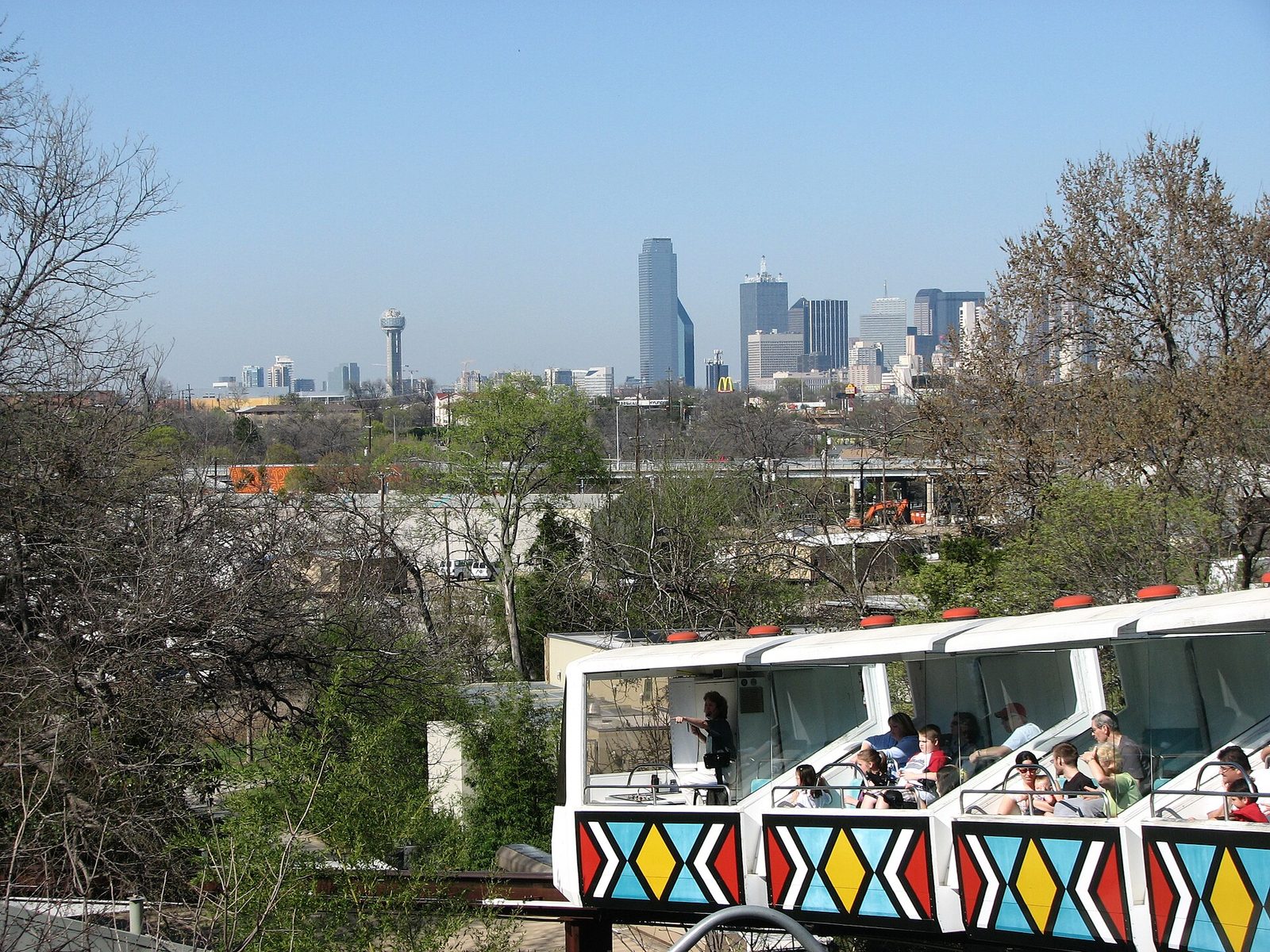
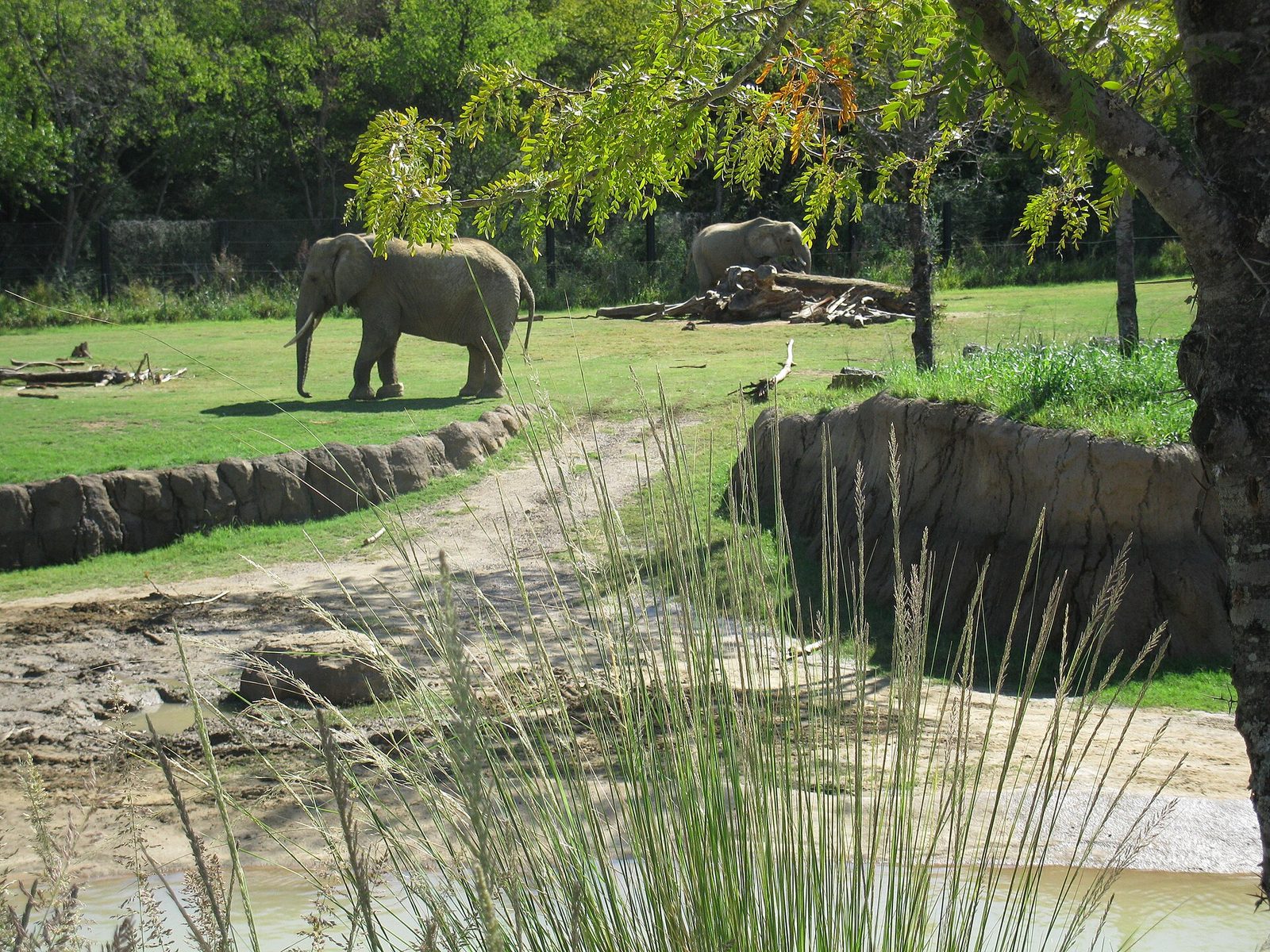
The Dallas Zoo is the largest in Texas, tickets start at $18 with under-2s free, and it is open 364 days a year. The monorail is the thing to prioritise with this age group — it loops through the habitats and gives everyone a sit down at the same time. The critical instruction is timing, covered below: from May to September this is a 09:00 attraction or nothing.
The Children’s Adventure Garden at the Arboretum is at its best here. Eight acres of hands-on science, and — the part most visitors get wrong — it is open daily as part of general garden admission rather than as a separate ticket. Daily programming includes the Walne Family Discovery Lab at 11:00, 12:30 and 14:00, described by the garden as best for ages 6 and up with adult participation encouraged; the OmniGlobe at 11:30 and 14:30 for all ages; and drop-in STEM Stops from 12:00 to 13:00 and 13:00 to 14:00.
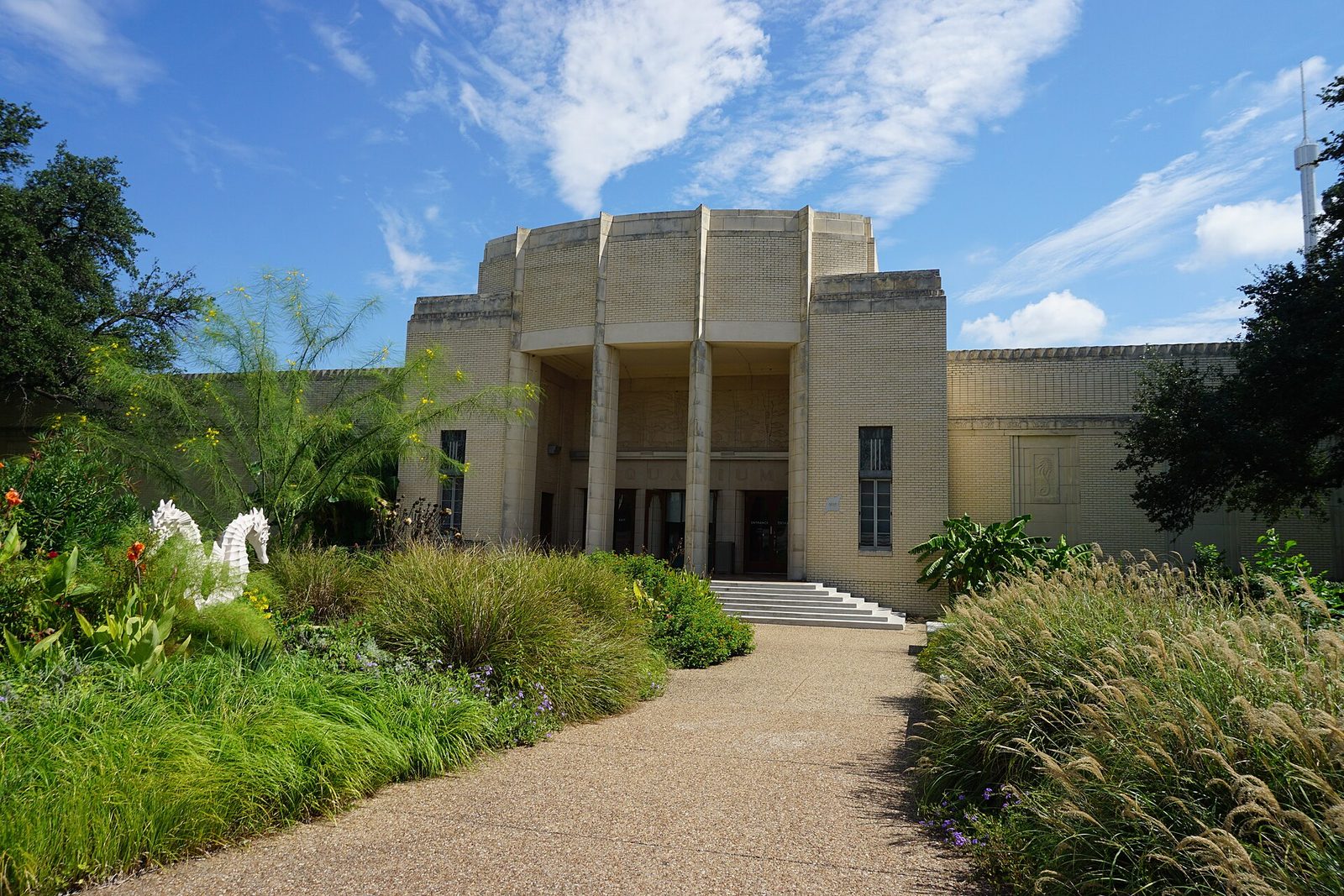
The Children’s Aquarium at Fair Park is the smaller, cheaper, calmer alternative to the Dallas World Aquarium, and it sits inside Fair Park with its own rail station nearby. It suits a shorter attention span and a tighter budget, and far fewer visitors know about it.
What Actually Holds a Teenager’s Attention?
Different things entirely, and the good news is that Dallas is better for teenagers than most family destinations.
The Sixth Floor Museum becomes the best thing in the city from about eleven upwards. It occupies the floor of the former Texas School Book Depository from which President Kennedy was shot, the audio guide is included and well paced, and the subject holds attention in a way no hands-on exhibit does. Adult $27, youth aged 6 to 18 $23, and the hard rule is the cut-off: last ticket sold and last entry at 16:15, Wednesday to Sunday only. Ninety minutes to two hours, then thirty minutes outside in Dealey Plaza, which is free and does something the exhibit cannot.
The George W. Bush Presidential Museum is the surprise. The Decision Points Theater puts you in a simulated crisis with a time limit and a vote, there is a replica Oval Office with a professional photographer on hand, and the September 11 exhibit is serious and well handled. Youth aged 13 to 17 pay $24, adults $26. Allow at least two hours — the museum suggests 30 to 45 minutes for a highlights pass or four hours to see everything. Budget extra for security: it is a federal facility with airport-style screening, no backpacks, bags capped at 17 by 26 inches, one purse or diaper bag per person, and no food or drink through the checkpoint.
Deep Ellum is the other teenage win, and it is free. The densest concentration of street art in the city, a fifteen-minute walk east of downtown, best in daylight for the murals and in the early evening for the food. It is a nightlife district, so the main blocks at dinner time rather than late on a weekend.
Reunion Tower’s GeO-Deck at 470 feet works with this age too, with the same caveat as for adults: go at dusk. Tickets are sold through a date-and-time-slot widget with no flat rate published, so check the price for your day.
How Do You Plan Around Naps and Meltdowns?
By building the day around one fixed indoor block and keeping everything else flexible. The Dallas geography helps here more than people expect, because the good stuff clusters.
The morning slot, 08:30 to 11:00. This is the best time of day in Dallas for almost every month of the year. The Dallas World Aquarium opens at 08:30, before school groups arrive. The zoo opens early. Klyde Warren Park is quiet and cool. Use it.
The nap or reset slot, 12:00 to 14:30. This is where a central hotel earns its price. Going back to the room for two hours in the middle of the day is not a wasted afternoon in Dallas — it is the reason the evening works. If returning is impractical, the Dallas Museum of Art is free, air-conditioned, and large enough to push a stroller around quietly for an hour.
The second activity, 15:00 to 17:00. Most museums close at 17:00, so this is a one-thing slot rather than two. Pick something with a defined end.
Dinner before 18:00. Dallas restaurants fill later than that and are far more forgiving of children at 17:30 than at 19:30. Deep Ellum, the Klyde Warren food trucks and the Dallas Farmers Market hall — open daily 10:00 to 19:00 — all work without a reservation.
The structural rule underneath all of it: two anchors a day, in one cluster. Visitors who schedule three attractions in three parts of Dallas spend the difference in the car, and a car is where most family days go wrong.
How Does the Heat Change a Family Day?
Completely, from roughly June to early September, and this is the single most important practical section on this page.
Average highs run 92.7°F in June, 96.9°F in July and 97.1°F in August, with triple-digit days every summer. Overnight lows in August average 77.4°F, so the evening does not bring real relief. For small children, older relatives and anyone arriving from a cool climate, this is a safety matter rather than a comfort one.
| Time | Summer (June–Sept) | Rest of the year |
|---|---|---|
| 08:00–11:00 | Zoo, park, aquarium — all outdoor time | Anything |
| 11:00–15:00 | Indoors: Perot, DMA, aquarium, hotel pool | Anything |
| 15:00–18:00 | Indoors, or the hotel pool | Second attraction |
| 18:00–20:00 | Early dinner, then Klyde Warren Park | Dinner and a park |
Three summer rules worth following literally. The zoo is a 09:00 attraction or not an attraction — by noon the animals are inactive and the paths are exposed. The Arboretum’s eight-acre children’s garden is a morning activity, not an afternoon one. And check that your hotel pool is actually open before you book a summer trip on the strength of it, because renovations are common and rarely advertised.
The compensation is genuine: late July and August are the cheapest hotel weeks of the year in Dallas, because the events calendar is empty and nobody wants to be outdoors. A family trip built around the aquarium, the Perot and a pool is good value in August in a way it never is in October.
Which Attractions Are Sensory-Friendly?
A question most Dallas guides do not ask, and the answers vary more than you would expect.
Calmer: the Nasher Sculpture Center, which is small, quiet and has a garden you can step out into at any point — $10, or $8 with a DART fare, with under-12s free. The Dallas Museum of Art is large and generally hushed, with plenty of space to move away from crowds. The Children’s Aquarium at Fair Park is smaller and quieter than the Dallas World Aquarium. Pioneer Plaza and Dealey Plaza are outdoors, free and never crowded in a way that traps you.
Louder and busier: the Perot Museum, which is a hands-on museum full of school groups and echoing halls — go at opening or late afternoon rather than midday. The Dallas World Aquarium, whose descending route is a single narrow path that can feel crowded on a weekend. And the State Fair of Texas, which is the loudest, densest environment in the Dallas year.
Practical provisions to know about. The Dallas Museum of Art keeps loaner wheelchairs at Guest Services in limited numbers — call 214-922-1803 ahead. The Arboretum provides complimentary wheelchairs first come, first served, with no trams or golf carts during evening hours, which matters across 66 acres. The Bush Center lends wheelchairs free from the Box Office, but they may not leave the museum area, so bring your own for the wider campus.
The Children’s Adventure Garden describes its galleries as “age-specific but never age-restrictive,” which in practice means a child can move at their own pace across eight acres rather than following a route. For a child who needs to leave an activity abruptly, that is a better design than a single-path attraction.
What Does a Family Day Actually Cost?
More than the ticket prices suggest, because of parking and food. Here is the real arithmetic for two adults and two children aged six and nine.
| Day | Admission | Parking or transit | Food | Total |
|---|---|---|---|---|
| Perot Museum day | $88 | $15 parking | $60 | $163 |
| Dallas World Aquarium day | $120 + tax | Walk from downtown | $60 | $190 |
| Dallas Zoo day | From $72 | $9 day pass, or parking | $50 | $131 |
| Free day | $0 | $0 walking and free trolley | $50 | $50 |
The pattern is clear enough: one paid attraction a day plus a free one is the sustainable rhythm, and the free tier in Dallas is strong enough to carry the other half of every day.
Before buying individual tickets, check the CityPASS arithmetic. It costs $64.00 for an adult aged 13 and up and $46.00 for a child aged 3 to 12, and covers four of six: the Perot Museum, Reunion Tower, the Dallas Zoo, the Bush Museum, the Dallas Holocaust and Human Rights Museum and AT&T Stadium Tours. Three of those already cost more separately than the pass does — the Perot at $27, the Bush Museum at $26 and the zoo from $18 total $71 against $64. It is valid for nine days. It does not include the Sixth Floor Museum, the DMA, the Nasher or the Arboretum, and the attractions it does cover are spread across the metroplex, so it suits a four-day family trip and not a weekend.

What Is Free for Families in Dallas?
More than in most American cities, and it is not a consolation prize.
Klyde Warren Park leads it: free entry, a playground, a splash and fountain area, yard games, and rotating free children’s programming through the week. Food trucks and permanent dining partners handle lunch without a booking.
The Dallas Museum of Art is free every day it opens, Wednesday to Sunday 11:00 to 17:00 — with the catch that every visitor needs a timed ticket, including every child and every infant. House rules are strict: no food or drink anywhere in the galleries, including sippy cups and baby bottles, and bags may not be worn on the back. Coat check at the Main Entrance is free and solves both.
The Nasher’s Free First Saturdays run 11:00 to 17:00 monthly with family programming from 11:00 to 14:00, free to everyone. It is the best-value family morning on the Dallas calendar.
Pioneer Plaza, Dealey Plaza, the AT&T Discovery District and the Dallas Farmers Market hall all cost nothing. The Discovery District’s media wall is better after dark; the Farmers Market hall is indoors and open daily 10:00 to 19:00, which makes it a useful wet-day or hot-afternoon fallback.
The free M-Line Trolley is itself an activity with small children — it is a vintage streetcar, it costs nothing, and it links the Arts District, downtown, Klyde Warren Park, Uptown and West Village. Riding it end to end and back fills half an hour happily. Our guide to free things to do in Dallas has the all-in cost for each of these.
What Are the Practical Logistics — Strollers, Bags and Food?
The details that decide whether a day runs smoothly, collected in one place.
Bags and security. The Bush Center is the strict one: no backpacks at all, bags no larger than 17 by 26 inches, one purse or diaper bag per person, and no food or drink through the metal detectors. Plan that visit with the smallest bag you can manage.
Food rules. The Dallas Museum of Art permits no food or drink anywhere in the galleries, and that explicitly includes sippy cups and baby bottles — use the free coat check at the Main Entrance. Most other museums have a café and a policy of eating only there.
Transit with a pushchair. DART light rail uses platform-level boarding into the centre section of each vehicle, which is step-free and has extra floor space, so a stroller rolls straight on. There are no luggage racks and operators do not assist, but for a pushchair the level boarding is what matters. A Regional Day Pass is $9.00, or $4.50 reduced, and stays valid until 03:00 the following morning.
Parking. The Perot’s Lot B is $15 per vehicle, $5 for members. Reunion Tower self-parking is $10. Hotel parking downtown runs $25 to $40 for self-parking and $35 to $55 for valet, which for a family staying central is usually an argument against renting a car at all.
Age rules worth knowing. At the Dallas Arboretum, children under 16 must be accompanied by an adult. At the Dallas World Aquarium, under-2s are free but there are no reciprocal membership programmes, so your home zoo or aquarium membership buys nothing. At the Dallas Zoo, under-2s go free.
What Is the Best Family Weekend Plan?
Two days, two clusters, one paid attraction and one free thing each day.
| Time | Saturday | Sunday |
|---|---|---|
| 08:30 | Dallas World Aquarium at opening — 2 hrs | Perot Museum at opening — 3 hrs |
| 11:00 | Walk to lunch downtown | — |
| 12:00 | Klyde Warren Park — playground, splash area, food trucks | Lunch at the Farmers Market hall |
| 14:00 | Back to the hotel; nap or pool | Pioneer Plaza — 20 min, free |
| 16:00 | Pioneer Plaza and the Trinity bridges | Free M-Line Trolley to Uptown |
| 17:30 | Early dinner in Deep Ellum | Early dinner, then the Discovery District after dark |
Two adjustments. On a Tuesday, swap the Perot, which is closed, for the Dallas Zoo or the Arboretum’s children’s garden — the aquarium is open every day. In July or August, replace the 16:00 outdoor slot with the hotel pool and move Pioneer Plaza to after 19:00.
If you have a third day, make it the zoo at opening, or the Arboretum with the Children’s Adventure Garden. Do not attempt both — the zoo is south of downtown, the Arboretum is east on White Rock Lake, and combining them is a driving day. Our Dallas itineraries have full day plans with the transit legs written in.
Where Should Families Eat in Dallas?
Better than most American cities, provided you eat early and stay out of the hotel districts.
Barbecue is the family-friendly default nobody thinks of. It is counter service, it is fast, you order by the pound so portions flex to appetites, and nobody minds noise. Two adults and two children eat well for $60 to $80. Go at lunch rather than dinner — the meat is cooked once a day and the best cuts sell out first, which is a genuine constraint here rather than a marketing line.
Tex-Mex is the other one. Old-line neighbourhood rooms run $20 to $30 a head, chips and salsa arrive free and immediately, which solves the twenty minutes before food arrives, and cheese enchiladas are about as unthreatening as a regional speciality gets. The good rooms are in Oak Lawn, Oak Cliff and the older residential neighbourhoods rather than downtown.
Klyde Warren Park’s food trucks mean nobody has to agree on a cuisine, and you eat outdoors next to a playground. The Dallas Farmers Market hall at 920 S. Harwood Street is open daily 10:00 to 19:00, free to enter, indoors and air-conditioned, with enough stalls that a fussy eater and an adventurous one can both be fed.
Deep Ellum works for early dinner: casual kitchens, loud rooms, no reservations needed before about 18:00, and a fifteen-minute walk from downtown. After about 20:00 on a weekend it becomes a nightlife district rather than a dinner district, so go early.
The timing rule that matters most: eat at 17:30. Dallas restaurants fill from 19:00 and are markedly more relaxed about children before that. It also means you are finished in time to be in Klyde Warren Park or at the AT&T Discovery District’s media wall as the light goes.
Is Dallas Worth It for a Family Trip?
Yes, with two honest caveats that should shape the decision rather than change it.
The case for. Dallas has a higher concentration of genuinely good family attractions than its reputation suggests, and they are unusually cheap by American standards. A major art museum charges nothing. The city’s best children’s attraction, the Dallas World Aquarium, is a twelve-minute walk from a downtown hotel. The Perot, the zoo and the aquarium are all excellent and all sit within twenty minutes of the centre. The free tier — Klyde Warren Park, Pioneer Plaza, the Farmers Market, the trolley — is strong enough to carry half of every day, which is what keeps the budget sane.
The first caveat is the heat. For four months of the year, an outdoor family plan after 11:00 does not work, and a trip booked in July on the strength of a summer-holiday calendar will need rebuilding around air conditioning. That is manageable if you know it in advance and miserable if you do not.
The second is distance. Everything good is close to the centre, and everything outside the centre is a drive. Families who book a cheap suburban hotel to save $60 a night frequently spend that and more on rideshares, plus an hour a day in traffic with tired children. Staying central is the highest-value decision on a Dallas family trip.
Where Dallas is genuinely weaker than its rivals: there is no beach, no mountains and no compact historic old town to wander. If your family’s idea of a holiday is unstructured outdoor time, Dallas in summer is not it. If it is museums, animals, food and a city that is easy to move around when you stay in the right place, it is a strong three or four days.
What Should Families Skip?
Said plainly, because no family list does.
Skip the Sixth Floor Museum with children under about eleven. It handles a difficult subject seriously and well, and it is not a children’s attraction. If half your party wants it, one adult can do it in ninety minutes while the other takes the children to Pioneer Plaza and the AT&T Discovery District, both free and ten minutes away.
Skip a second museum on the same day. Whatever the age, the second indoor attraction in one day is the one where the day falls apart. One paid anchor plus a park is the rhythm that works.
Skip anything in Arlington unless you hold tickets. AT&T Stadium and the theme parks out there sit outside the rail network, and the drive is a substantial part of the commitment in both directions.
Skip the State Fair on a Saturday. It runs September 25 to October 18 in 2026 and it is a genuine Texas spectacle, but a weekend is twice the crowd for half the enjoyment. Go on a Tuesday or Wednesday, and know before you walk in that admission gets you through the gate only — food and midway rides run on coupons bought separately, which is how a family spends $150 in an afternoon without noticing.
Skip renting a car if you are staying downtown and your list is the aquarium, the Perot, Klyde Warren Park and Dealey Plaza. All four are walkable or a short free trolley ride, and the parking you avoid pays for several rideshares to the zoo.
Frequently Asked Questions About Dallas With Kids
What is the best attraction in Dallas for young children?
The Dallas World Aquarium. You walk down through a rainforest canopy so the sloths, toucans and monkeys are at child height, the route is continuous with no backtracking, and it takes about two hours. Adult $34.95 plus tax, child aged 3 to 12 $24.95 plus tax, under-2s free, open daily 08:30 to 17:00.
Is the Perot Museum worth it with kids?
Very much so, for roughly ages five to fourteen. Adult $27, youth aged 2 to 12 $17, three hours, parking $15 in Lot B. Remember the schedule: it is open on Mondays and closed on Tuesdays through April 7, 2027, which is the inverse of most Dallas museums.
Do you need a separate ticket for the Children’s Adventure Garden?
No. The Rory Meyers Children’s Adventure Garden is eight acres and is open daily as part of general Dallas Arboretum admission. Arboretum admission itself is sold through a dated ticket calendar with no flat rate published, so check the price for your specific day.
What is there to do in Dallas with kids when it rains?
Plenty, and cheaply. The Dallas Museum of Art is free with a timed ticket, the Perot Museum and the Dallas World Aquarium are both indoors, and the Dallas Farmers Market hall is free to enter and open daily 10:00 to 19:00. October is the wettest month at 4.79 inches and Texas rain usually clears quickly.
Is Dallas walkable with a stroller?
In the central clusters, yes. The Arts District, downtown and the West End are flat, paved and step-free, and DART light rail has platform-level boarding into the centre section of each vehicle, so a pushchair rolls straight on. Outside those areas, the distances are not pedestrian distances.
How many days do you need in Dallas with kids?
Three works well: one aquarium-and-park day, one Perot-and-downtown day, and one for the zoo or the Arboretum. Two days is enough if you stay central and skip the outlying attractions. Four lets you add Fort Worth, which deserves a full day rather than an afternoon.
Is the Dallas Zoo good for toddlers?
Good rather than excellent — the distances are long for small legs and the monorail is the thing to prioritise. Tickets start at $18 with under-2s free, and it is open 364 days a year. Between May and September, arrive at opening; by midday the animals are inactive and the paths are fully exposed.
What can teenagers do in Dallas?
The Sixth Floor Museum, which becomes the best thing in the city from about eleven upwards; the Bush Museum’s Decision Points Theater and replica Oval Office; Deep Ellum’s street art, which is free; and Reunion Tower at dusk. All four hold attention in a way the family-oriented attractions do not.
A ball game can carry a whole afternoon with children, provided you pick the right one. Baseball under a roof beats an NFL Sunday for most families, and the stadium tours cost a fraction of a match ticket. Our Dallas sports guide sets out which games suit which ages, and what you are allowed to carry through the gate.
The best family day out from Dallas is not in Dallas. Dinosaur tracks in a river you can wade into, $8 for adults and free for under-12s, ninety minutes southwest at Glen Rose. Our day trips guide has the entry details, the reservation warning and the rest of the options ranked by how well they work with children.
Outdoor time with children in this climate is a scheduling problem more than a choice of destination. Our outdoor guide has the playgrounds, the picnic spots that work without a car, the Children’s Adventure Garden timetable and a month-by-month table of when it is safe to be outside at all.
Dallas is unusually strong on sensory-friendly provision, which matters for a lot of families well beyond the obvious cases. The Nasher and the Sixth Floor Museum both hand out sensory kits with noise-reducing headphones, the Zoo runs sensory-friendly exploration days, and the State Fair schedules quieter mornings. Our accessible Dallas guide lists every programme with the dates and phone numbers.
If the trip falls between late September and mid-October, the State Fair will probably decide your itinerary for you. It is worth knowing that children aged 3 to 12 pay a flat $10 every day, that 4-Coupon Midway Tuesdays change the ride budget completely, and that the air-conditioned exhibition halls are the difference between a good afternoon and a meltdown. Full detail in our State Fair first-timer guide.
Between mid-November and early January the calculation changes completely. The Arboretum’s Christmas Village runs day and night, the Galleria’s rink is under a glass roof and immune to the weather, and the Dallas Holiday Parade costs nothing to watch. One warning worth carrying: the Dallas Zoo closes exactly one day a year and it is Christmas Day. Full detail in our guide to Christmas events in Dallas.
Worth knowing if the Arboretum is on your list: the eight-acre Rory Meyers Children’s Adventure Garden is included in general admission rather than ticketed separately, and personal picnics are allowed anywhere except the designated dining areas. Park at Entry 3 on Garland Road to land closest to it. More in our Dallas Arboretum visitor guide.
For younger children the Dallas World Aquarium is close to ideal — the animals are near, the route is continuous, and there is a nursing station and a quiet seating area inside. The catch is the price, at $24.95 plus tax for ages 3 to 12, and the crowding on a one-way route after midday. Our Dallas World Aquarium visitor guide explains why 8:30 a.m. changes the visit.
One tip that transforms a family day at the State Fair: give each older child their own coupons at the gate. It turns every stall into a choice they make rather than a request, and paired with the kids’ refillable drinkware at 10 coupons and Tuesday ride pricing it keeps the day affordable. More in our guide to State Fair of Texas food, rides and coupons.
Christmas is the one time of year when the family calendar in Dallas is genuinely crowded. The Espresso Nutcracker at the Majestic runs narrated and about an hour, which is the right length for children who would not sit through a full-length production, and the Christkindl Market costs nothing to enter. Our guide to Christmas in Dallas compares all four Nutcrackers and flags which venues close over the holiday itself.
One warning worth carrying into the summer: at Turner Falls in Oklahoma, every child twelve and under must wear a Coast Guard certified flotation device in the water, and inflatable floats and arm bands do not count. Buy them before you leave Dallas, because the park is two hours away. Our Turner Falls day trip guide covers the rest of the rules and the full family price grid.
On a hot or wet day the weekday matters more than the forecast. The Perot is open Mondays and closed Tuesdays, the reverse of the other big museums, and the Dallas World Aquarium is open seven days but stops admitting at 4 p.m. The Dallas Museum of Art also bars all food and drink from its galleries, including sippy cups and baby bottles. More in our guide to indoor Dallas.
Related Dallas Guides
- Best Dallas Attractions — full prices, hours and closing days for every site named here.
- Free Things to Do in Dallas — the zero-cost tier with the real all-in cost attached.
- Dallas Itineraries — day plans with transit legs, plus summer, rain and closed-Monday variants.
- Where to Stay in Dallas — which areas suit families, and why a pool is not optional in summer.
- Best Time to Visit Dallas — the months when an outdoor family day works all day rather than before 11:00.
- Best Restaurants in Dallas — where to eat early with children, by district and price.
- Dallas Events and Festivals — the State Fair, free park programming and the family calendar.
- Things to Do in Dallas — the wider view across the city.
Photo Credits
- Klyde Warren Park children’s area: photo by Joe Mabel, Wikimedia Commons (CC BY-SA 3.0)
- Dallas Zoo elephants: photo by Kevin1086, Wikimedia Commons (CC BY-SA 3.0)
- Perot Museum exterior escalator: photo by Paul M. Budd, Wikimedia Commons (CC BY-SA 4.0)
- Dallas Zoo monorail: photo by austrini, Wikimedia Commons (CC BY-SA 2.0)
- Lake Cliff Park playground: photo by Michael Barera, Wikimedia Commons (CC BY-SA 4.0)
- Children’s Aquarium at Fair Park: photo by Michael Barera, Wikimedia Commons (CC BY-SA 4.0)
- Dallas World Aquarium, Orinoco Rainforest (featured image): photo by Michael Barera, Wikimedia Commons (CC BY-SA 4.0)
Sources
- Dallas World Aquarium — Hours, Prices and Membership Policy
- Perot Museum — Hours, Admission and Parking
- Dallas Zoo — Tickets and Hours
- Dallas Arboretum — Rory Meyers Children’s Adventure Garden
- Dallas Arboretum — Visitor Information and Age Rules
- Dallas Museum of Art — Timed Tickets, Gallery Rules and Accessibility
- Nasher Sculpture Center — Admission and Free First Saturdays
- The Sixth Floor Museum — Admission and Last Entry
- George W. Bush Presidential Center — Admission, Security and Wheelchairs
- Klyde Warren Park — Programming and Visitor FAQs
- Dallas CityPASS — Price and Included Attractions
- DART — Fares and Passes
- McKinney Avenue Transit Authority — Free M-Line Trolley
- Dallas Farmers Market — Hours
- State Fair of Texas — 2026 Dates and Coupon System