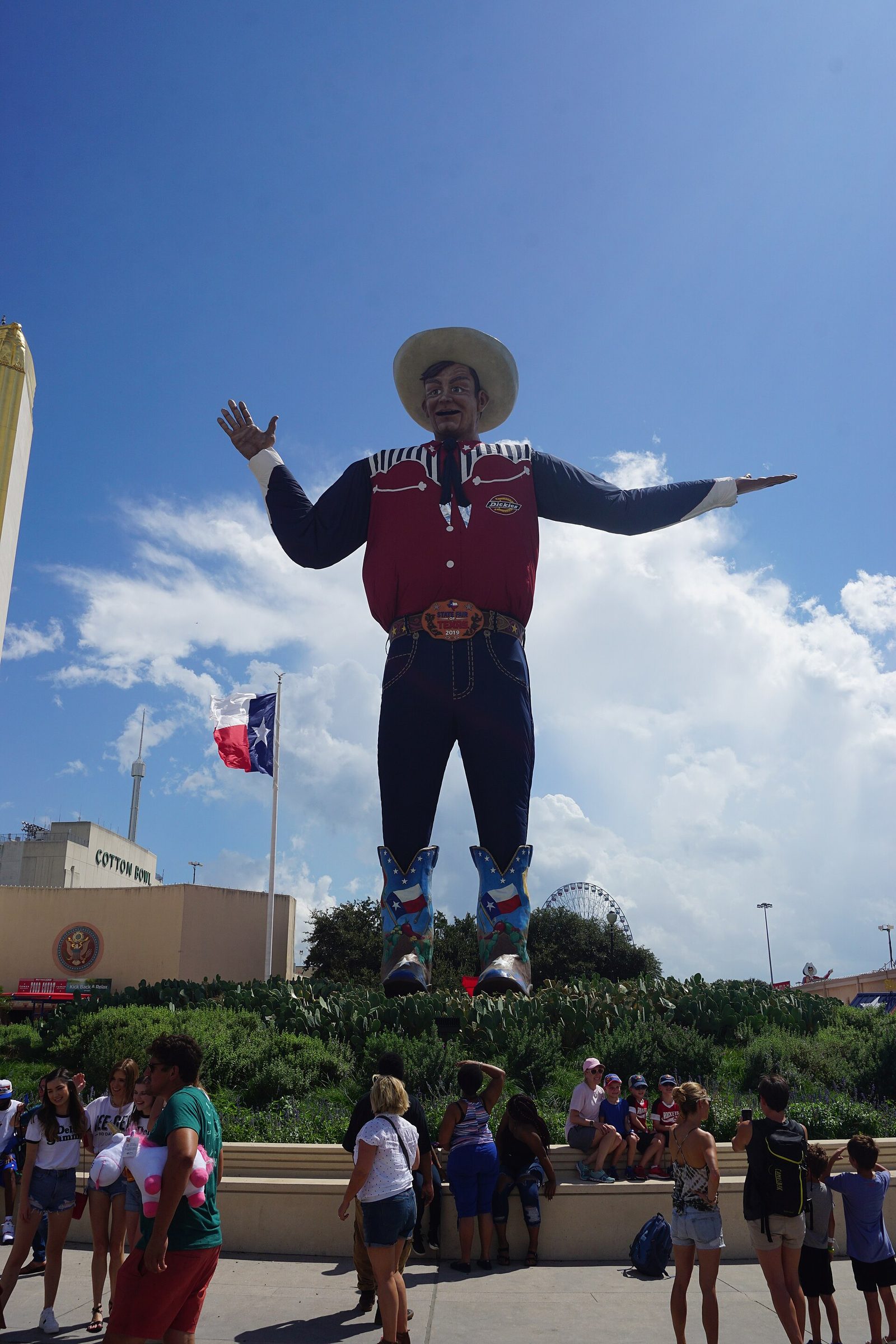
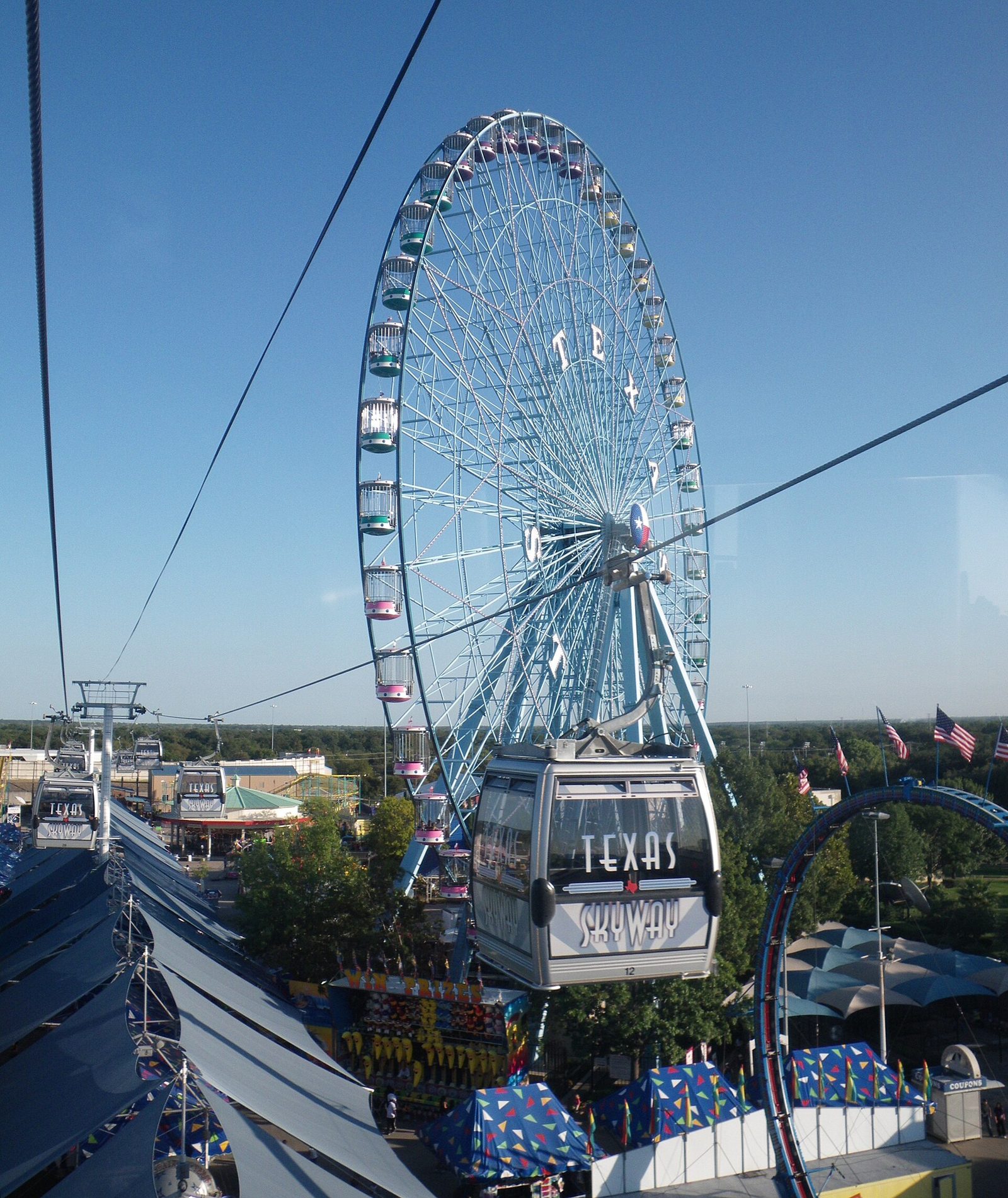
Planning around Dallas events means understanding one thing the official calendars never say out loud: the city has exactly one event that reshapes a trip, and it runs for three and a half weeks every autumn. The State Fair of Texas fills hotels, congests the east side and takes Fair Park itself out of commission for anything else. Everything else on the calendar fits around a normal visit.
This is an evergreen planning guide rather than a listings page. Official calendars will always beat an independent site on freshness, so what follows is the durable stuff: which events are genuinely worth building a trip around, what each one actually costs once you are inside, how to reach the venues, when tickets go on sale, what happens when it rains or hits 100°F, and which celebrated fixtures are not worth your afternoon.
Dates confirmed at the time of writing are collected in a single dated panel below so you can see exactly how current they are. Everything was checked in September 2026 against each organiser’s own site.
The Dallas Events Calendar at a Glance
Dallas runs on a seasonal rhythm shaped almost entirely by temperature. Outdoor events cluster in spring and autumn, the summer calendar is thin and largely nocturnal, and the winter is quieter than most American cities of this size.
| Month | What is on | Worth planning a trip around? |
|---|---|---|
| February–April | Dallas Blooms at the Arboretum | Yes, if you like gardens — it is the region’s biggest floral festival |
| March | St. Patrick’s Day Parade on Greenville Avenue | Only if a very large street party appeals |
| April–May | Film festival season, outdoor concerts, Cinco de Mayo | No, but excellent weather to be here anyway |
| June | Dallas Pride, Juneteenth | Yes for Pride — it is a downtown-wide event |
| July | Fourth of July, then very little | No. Average highs of 96.9°F govern everything |
| August | The quietest month on the calendar | No, but hotel rates are at their lowest |
| Late Sept–mid Oct | State Fair of Texas | Yes — the one genuine trip-shaping event |
| Sept–Nov | Autumn at the Arboretum | Yes, and it overlaps the best weather of the year |
| December | Holiday lights, marathon weekend, Christmas markets | Moderately — pleasant rather than essential |
| January | Very quiet | No. Cheapest hotels, fewest crowds |
The pattern to notice: the two best months to be in Dallas for weather, October and April, are also the two busiest for events. That is convenient for planning and expensive for hotels. If you want good weather without the crowds or the rates, aim for early November.
Current Dates: What Is Confirmed Right Now
This is the dated panel. Everything here came from the organiser’s own site in September 2026. Anything further out than these has not been published yet, so confirm before you book flights.
| Event | Confirmed dates | Where | Checked |
|---|---|---|---|
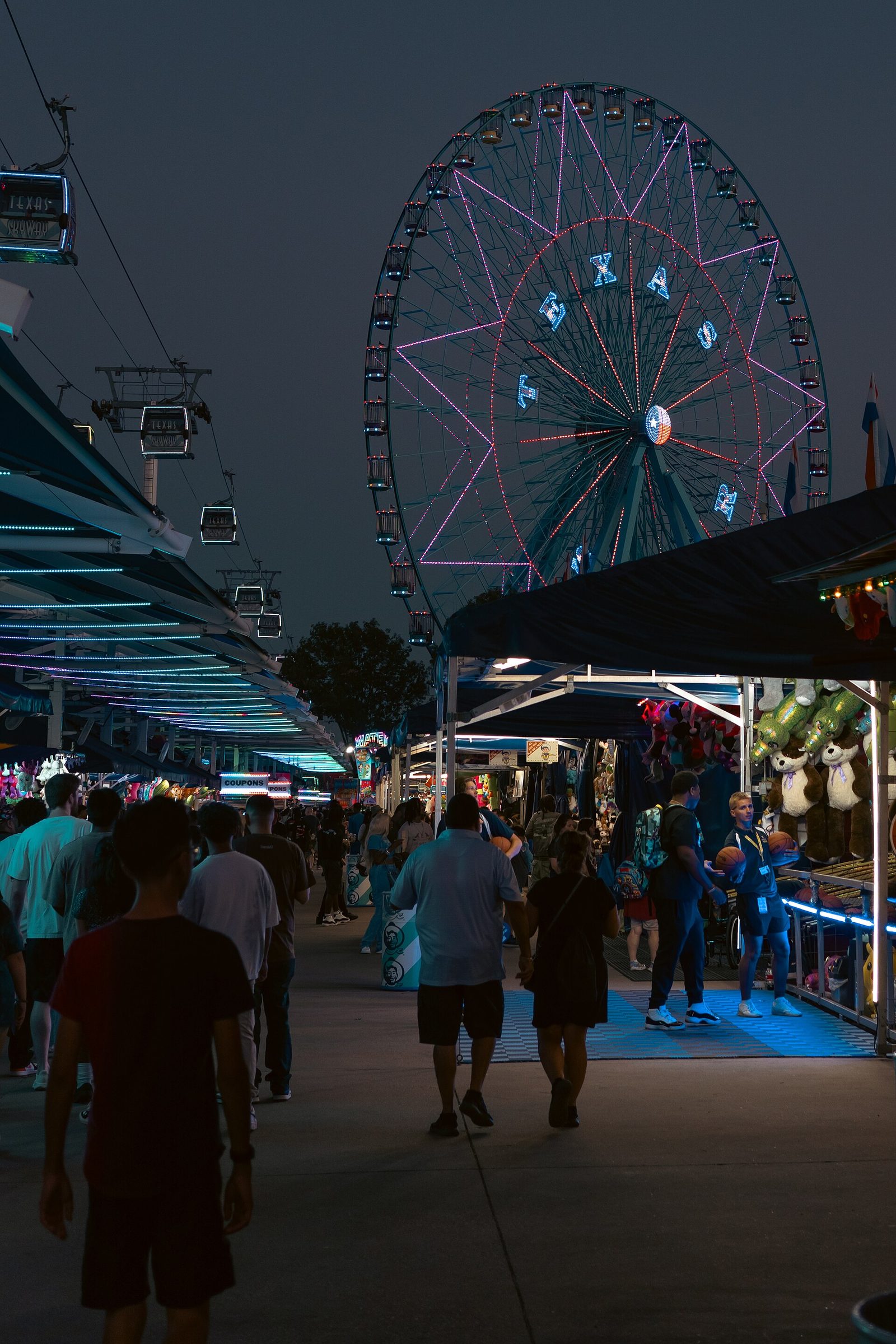
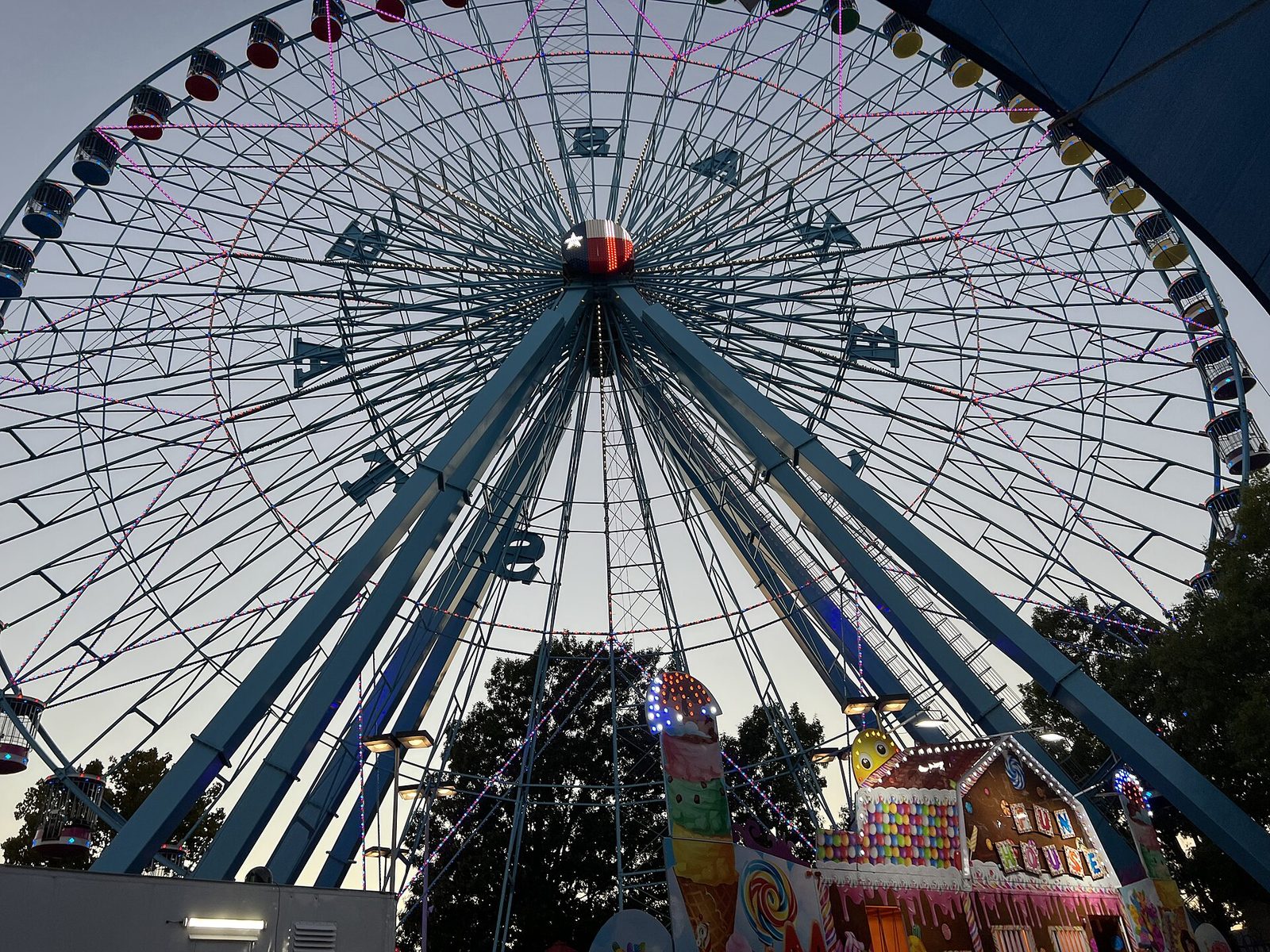
| State Fair of Texas | September 25 – October 18, 2026 | Fair Park | Sept 2026 |
| Autumn at the Arboretum | September 19 – November 1, 2026 | Dallas Arboretum | Sept 2026 |
| Dallas Blooms | February 21 – April 12 (confirm the year) | Dallas Arboretum | Sept 2026 |
| Dallas Pride | June; the 2026 edition was Saturday June 6 | Four downtown parks | Sept 2026 |
| ’til Midnight at the Nasher | Third Friday, 18:00–midnight, March–October | Nasher Sculpture Center | Sept 2026 |
| Free First Saturdays | First Saturday monthly, 11:00–17:00 | Nasher Sculpture Center | Sept 2026 |
Two honest caveats on that table. Dallas Blooms is published as February 21 to April 12 without a year attached on the Arboretum’s own page, so treat those as the shape of the window rather than a locked date, and confirm before booking. And the Dallas Marathon’s official site did not resolve when we checked in September 2026, so we are not quoting a date, a route or a distance set for it — check with the organiser directly.
State Fair hours, for the 2026 run: Monday to Thursday and Sunday 10:00 to 21:00, Friday and Saturday 10:00 to 22:00.
Is the State Fair of Texas Worth Going To?
Once, yes, and with clear expectations. It is a genuine Texas institution rather than a tourist confection, it has been running at Fair Park for well over a century, and the scale of it surprises people who assume a state fair is a village fete with a bigger tent.
What makes it worth the day: the fried-food midway, which is a competitive culinary sport here; the art deco architecture of Fair Park itself, built for the 1936 Texas Centennial Exposition and largely intact; the livestock and agricultural halls, which are the actual point of a state fair and which most visitors skip; and the atmosphere, which is unlike anything else on the Dallas calendar.
What makes it hard work: crowds, heat in late September, distances inside the grounds, and a pricing structure designed to separate you from money in increments. Weekends are dense to the point of unpleasantness. A weekday, particularly a Tuesday or Wednesday, is a materially better experience.
The honest verdict: go once, go on a weekday, go early, and budget properly before you walk in. If you have two days in Dallas and the fair is running, it will consume one of them entirely — decide whether that trade is worth it against the Arts District, because you cannot do both well.
One scheduling consequence worth flagging: while the fair runs, Fair Park is the fair. If you wanted the park’s museums, its 1936 architecture or the Cotton Bowl in isolation, visit outside those three and a half weeks.
How Do You Do the State Fair Without Overspending?
By understanding the coupon system before you arrive rather than after. This is the single most useful thing on this page for anyone going.
Admission is sold as 1-Day FLEX tickets, combo packs and season passes. That gets you through the gate and no further: food and midway rides run on coupons, bought separately. Every corny dog, every fried item, every ride is priced in coupons, and the mental arithmetic of converting dollars to coupons to food is — one assumes not accidentally — quite difficult to do while walking.
| Spending line | What happens | How to control it |
|---|---|---|
| Gate admission | Fixed; cheaper in advance and on promotion days | Buy ahead, check weekday promotions |
| Food coupons | The main cost, and open-ended | Buy a set number once, then stop |
| Midway rides | Coupon-priced per ride; adds up brutally with children | Agree a ride budget before entering |
| Parking | Paid, and congested on weekends | Take DART to the Fair Park station instead |
| Drinks | Hot day, high prices, repeat purchases | Carry water where permitted |
The practical method: decide your total food and ride budget before you leave the hotel, buy exactly that many coupons in one transaction, and treat them as the whole allowance. A family that does this spends a predictable amount; a family that tops up three times does not.
And eat strategically. One corny dog, because it is the institution. One winner or finalist from the fair’s fried-food competition, because that is the spectacle. Then something that is not deep fried, because four fried items in an afternoon is a decision you will regret at about 16:00.
Which Spring Events Are Worth Planning Around?
Spring is the best-balanced season on the Dallas calendar: excellent weather, real events and prices below the October peak.
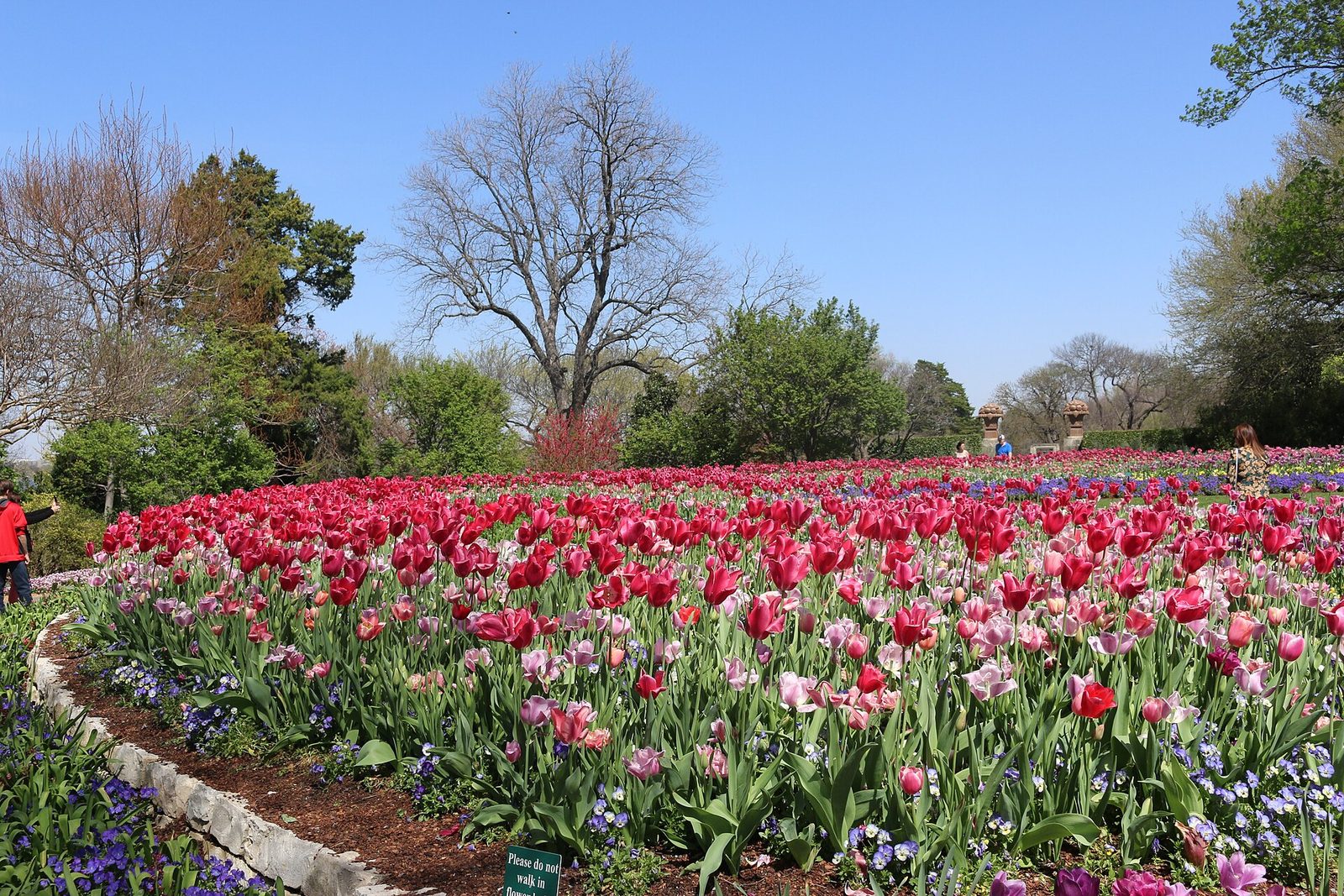
Dallas Blooms at the Dallas Arboretum is billed by the organiser as the Southwest’s largest annual floral festival, themed as a celebration of spring, and listed as running February 21 to April 12. Across 66 acres on White Rock Lake it is a genuinely substantial event rather than a few beds of tulips. Admission is sold through the Arboretum’s dated ticket calendar and no flat price is published, so the cost depends on the date you pick — check before you go and do not trust a figure quoted elsewhere.
Two Arboretum practicalities that catch people out: children under 16 must be accompanied by an adult, and complimentary wheelchairs are first-come, first-served, with no trams or golf carts running during evening hours. Sixty-six acres is a long way to cover on foot.
The St. Patrick’s Day Parade on Greenville Avenue in March is the largest parade in the city and one of the largest in the Southwest. It is also, frankly, an enormous daytime street party rather than a family parade — hundreds of thousands of people, a great deal of drinking, and a neighborhood that becomes impassable for the day. Go if that appeals. If you are travelling with young children or want a quiet Saturday, plan to be somewhere else entirely; the surrounding area is not usable that day.
April and May bring film festival season, outdoor concert series and Cinco de Mayo celebrations, none of which are individually worth planning a trip around and all of which improve a trip that happens to coincide. This is also when the Arboretum, White Rock Lake and the Katy Trail are at their best, with average highs of 77.4°F in April.
What Happens in Summer, and Should You Come for It?
Not much, and probably not — though the hotel rates make a case of their own.
Dallas Pride is the exception and it is a good one. Held in June since it moved from September in 2019, it centres on the Festival of Rainbows across four downtown parks — Main Street Garden Park, Pacific Plaza, Harwood Park and Pegasus Plaza — with the Dallas Pride Parade on its original 1972 downtown route and a Sunset Parade marching down Main Street at dusk. The 2026 edition ran on Saturday, June 6. Because it is spread across downtown rather than confined to one venue, it is unusually easy to attend without a car.
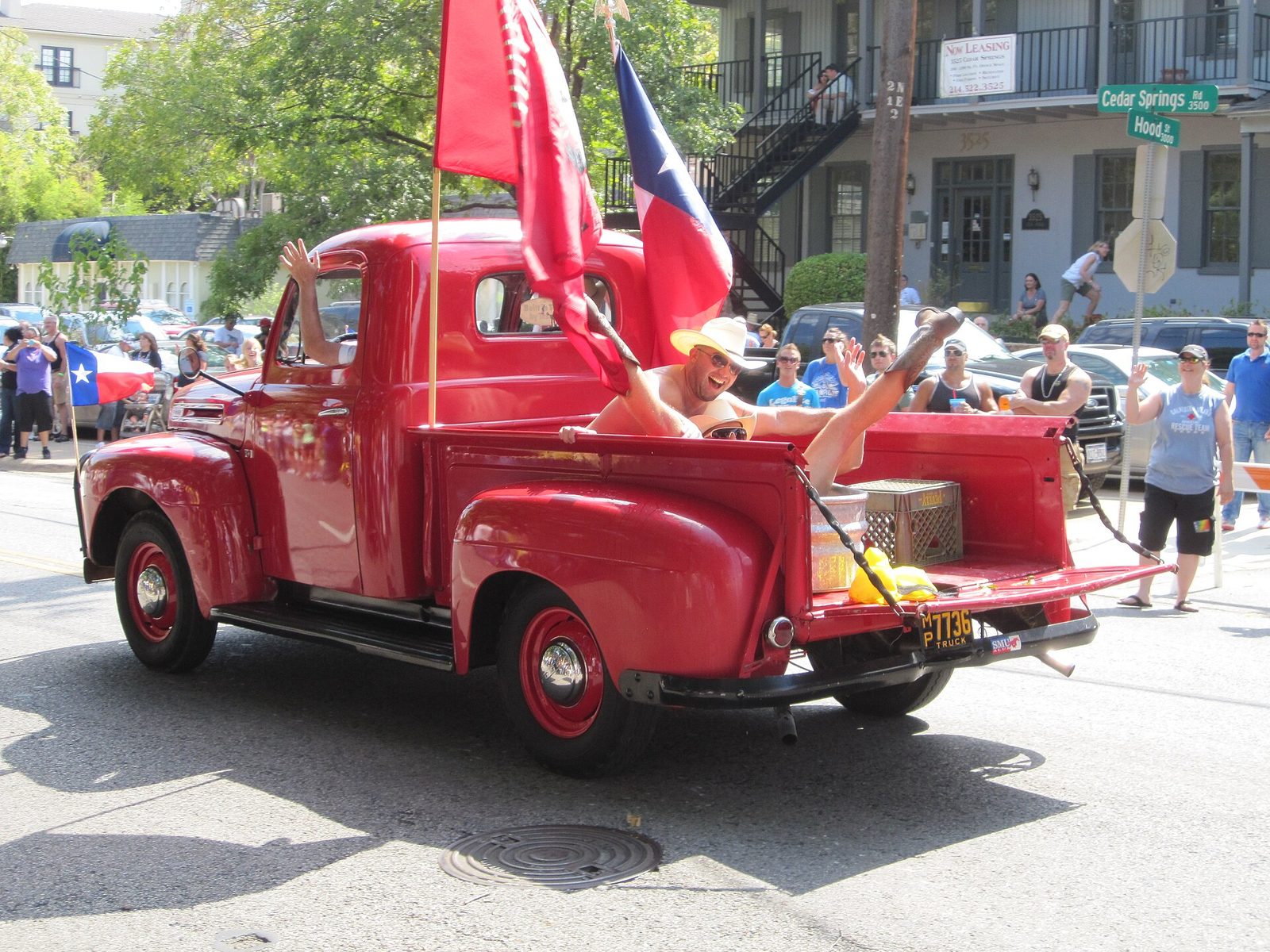
Juneteenth in mid-June is observed across the city with parades, music and community events, and it carries particular weight in Texas, where the holiday originated. It is worth seeking out if your dates coincide.
The Fourth of July brings fireworks displays across the metroplex. They are good; they are also at the hottest point of the year, outdoors, in crowds, with average July highs of 96.9°F and lows that only fall to 77.7°F. Plan for standing in heat after dark.
From late June through August the calendar thins to almost nothing, because nobody schedules outdoor events into 97°F. What summer gives you instead is the cheapest hotel rates of the year and empty museums. If your trip is air-conditioned by design — the DMA, the Perot, the aquarium, the Sixth Floor Museum — a summer visit is genuinely good value. Just plan outdoor time for before 11:00 and treat midday heat as a safety consideration rather than a comfort one.
Which Autumn and Winter Events Matter?
Autumn is the crowded, expensive, excellent end of the year. Winter is quiet and underrated.
Autumn at the Arboretum runs September 19 to November 1 in 2026 and overlaps the State Fair almost exactly. It is the pumpkin-village season, it is very popular, and it is one of the few things in Dallas genuinely worth doing on a weekday to avoid the crowds. Like Dallas Blooms, admission is date-priced through the ticket calendar.
The Nasher’s two standing events deserve more attention than they get. ’til Midnight at the Nasher runs on the third Friday of each month from March to October, 18:00 to midnight, with the sculpture garden lit — it is the best evening the Arts District offers and it barely appears on visitor itineraries. Free First Saturdays run 11:00 to 17:00 monthly with family programming from 11:00 to 14:00, and admission is free to everyone.
December brings holiday lighting displays, Christmas markets and the city’s marathon weekend. The lights are genuinely good and the weather is workable, with average December highs of 59.2°F. Dallas does not do a European-style Christmas market at scale, so calibrate expectations: this is an American holiday-lights city rather than a glühwein city.
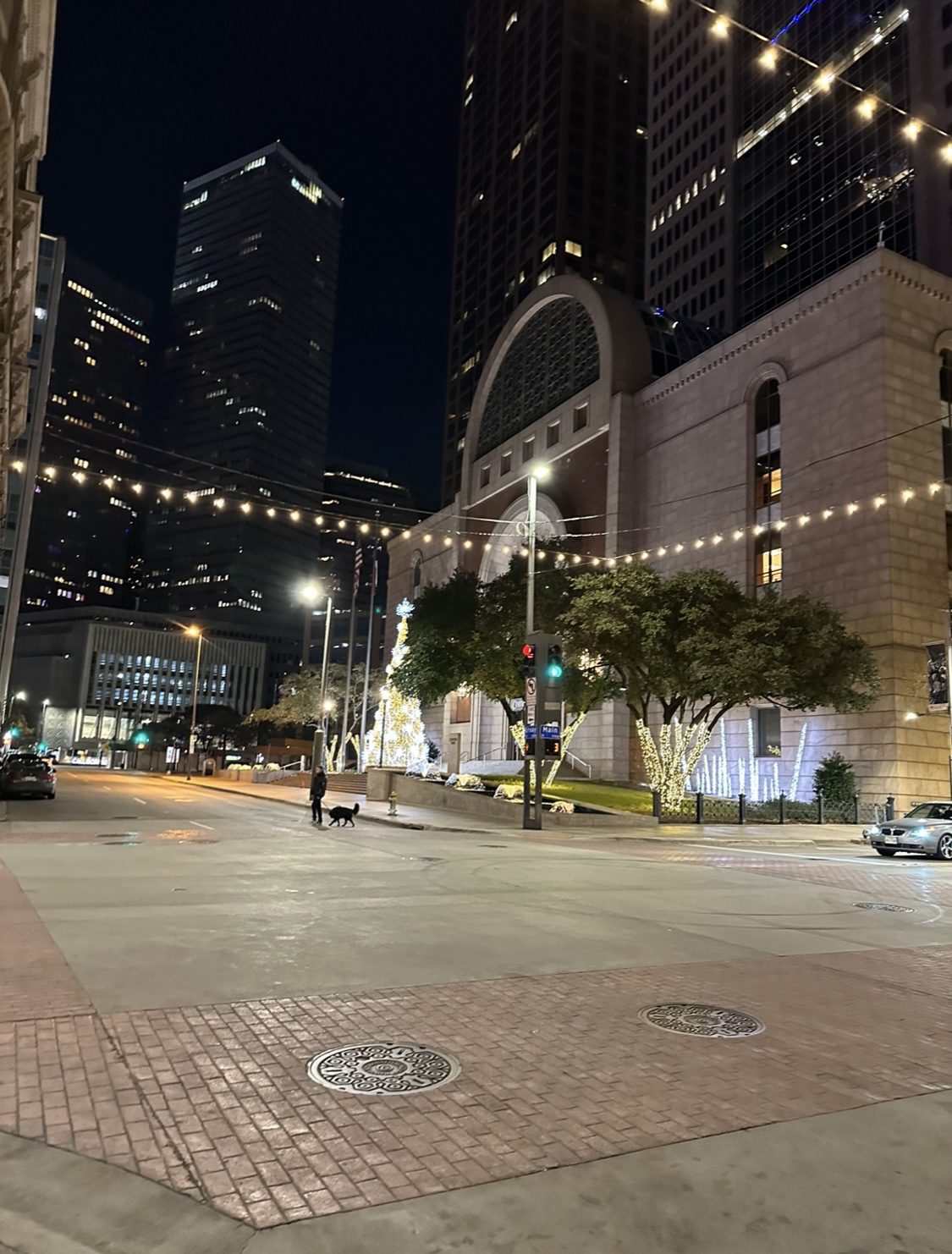
January is the quietest month of the year and the cheapest for hotels after August. If you want the museums to yourself, that is when to come. Bring a proper coat — Dallas winters are mild on average and punctuated by sharp cold snaps that arrive fast.
How Do You Get to Fair Park and the Big Venues?
Better than you would expect, and taking transit to a major event here is not a compromise — it is the faster option.
Fair Park has its own DART rail station, which during the State Fair is comfortably the best way in. Driving to the fair on a weekend means paid parking, queues at the gates and the same queues in reverse at 21:00 when 100,000 people leave at once. A DART Regional Day Pass is $9.00, or $4.50 reduced, and stays valid until 03:00 the following morning, which covers the ride home from a late event without a second fare.
| Venue | Transit? | Notes |
|---|---|---|
| Fair Park (State Fair, Cotton Bowl) | Yes — own rail station | Far quicker than driving on event days |
| Downtown parks (Pride, festivals) | Yes | Walkable; free M-Line Trolley connects Uptown |
| Dallas Arts District venues | Yes | Walk or trolley; no parking needed |
| Victory Park arena | Yes | Rail; hotel rates surge on event nights |
| Dallas Arboretum | Awkward | Bus or rideshare; no rail nearby |
| Arlington stadiums | No | Outside the rail network; drive or rideshare |
| Greenville Ave (St Patrick’s) | Rideshare | Road closures; do not attempt to drive in |
Buy your fare through the GoPass app, a reloadable GoPass Tap card, a vending machine at any rail station or on board a bus. And note that DART light rail has no luggage racks — irrelevant for an evening out, relevant if you are heading to an event straight from the airport.
When Should You Buy Tickets?
Lead times here are shorter than in most major cities, with two exceptions.
| Event type | Buy | Why |
|---|---|---|
| State Fair admission | Ahead of the day | Cheaper in advance; avoids the gate queue |
| Arboretum festivals | As soon as your date is fixed | Price varies by date; popular days sell out |
| Arena concerts and big sport | On sale day | The genuine sell-out category in Dallas |
| Arts District performances | 2–4 weeks | Rarely sells out entirely |
| Parades and street festivals | No ticket needed | Free; arrive early for a position |
| Museum timed entry | A few days | The DMA needs one even though it is free |
The one that catches people every time is not an event at all: the Dallas Museum of Art requires a timed ticket for every visitor regardless of age, despite free admission. Turning up at a festival weekend without one is the most common wasted hour in the city.
Hotel booking is the other timing lever. Rates in Dallas follow the convention and events calendar rather than the tourist season, so a stay overlapping the State Fair or a major convention should be booked two to three months out. Our guide to where to stay in Dallas covers the areas that surge hardest on event nights.
What Free Events Run All Year?
Dallas has an unusually good standing calendar of free programming, and because it repeats rather than occurring once, it is far more useful to a visitor than a single annual festival you will probably miss.
Klyde Warren Park programmes relentlessly and charges nothing. Fitness classes, chess, Piano in the Park, a running club and children’s programming rotate through the week, alongside food trucks and permanent dining partners. The park takes more than two million visitors a year and none of them pay to enter. Whatever week you are here, something is on.
The Nasher Sculpture Center runs two standing free events. Free First Saturdays open the whole centre to everyone from 11:00 to 17:00, with family programming from 11:00 to 14:00. And ’til Midnight at the Nasher, on the third Friday of every month from March to October, opens the garden from 18:00 to midnight — an evening event in a city that does not have many, and one that barely registers on visitor itineraries.
The Dallas Museum of Art is free every day it opens, Wednesday to Sunday, 11:00 to 17:00. The catch that trips people up is that free still means ticketed: every visitor, every adult, every child, every infant, needs a timed ticket reserved online or collected at the Guest Services desk.
The AT&T Discovery District downtown runs free outdoor programming against its very large media wall, and it is better after dark when the wall is the point. Dealey Plaza, Pioneer Plaza and the Laura W. Bush Native Texas Park — the last of which is open sunrise to sundown year-round across 15 acres — cost nothing on any day of the year.
Taken together, that is a genuinely full week of programming at zero admission cost, which is worth knowing before you build a trip around one ticketed festival.
How Do Events Change Hotel Prices?
More than the season does, which is the single most counter-intuitive thing about visiting Dallas.
This is a convention city with a hotel stock sized for business travel rather than tourism. The consequence is that rates track the events and convention calendar almost exactly: a midweek stay during a large convention can cost double the same room the following Tuesday, while a quiet August weekend — when the events calendar is empty and nobody wants to be outdoors in 97°F — is frequently the cheapest time of the entire year to sleep downtown.
The practical implications are worth spelling out. If your dates overlap the State Fair, book two to three months ahead. Late September and October combine the fair, Autumn at the Arboretum and the best weather of the year, and the hotel market knows it. If your dates overlap a big arena event, expect Victory Park to surge whether or not you hold tickets, and consider staying elsewhere downtown and taking the train in.
And if you are flexible, invert the logic entirely: pick a week with nothing on. Early November has comfortable weather at an average high of 67.8°F, no major festival, and rates well below the October peak. January is quieter and cheaper still. Neither will give you an event to write home about, and both will give you the museums almost to yourself.
How Accessible Are Dallas Events?
Variable, and the difference between venues is worth checking rather than assuming.
The Dallas Arboretum provides complimentary wheelchairs on a first-come, first-served basis and runs no trams or golf carts during evening hours, which matters across 66 acres during Dallas Blooms or Autumn at the Arboretum. Plan the route rather than wandering.
The Dallas Museum of Art, which hosts many of the city’s cultural events, is fully wheelchair accessible with a limited number of loaner chairs at Guest Services — call 214-922-1803 ahead if you need to be certain. No food or drink is permitted in the galleries at all, including sippy cups and baby bottles.
The George W. Bush Presidential Center, which hosts public programming, is a federal facility with airport-style security and metal detectors: no backpacks, one purse or diaper bag per person at no larger than 17 by 26 inches, and no food or drink through the checkpoint. Free wheelchairs are available from the Box Office but may not leave the museum area, so bring your own for the wider campus.
Fair Park during the State Fair is the hardest of the lot, simply because of distance and crowd density. The grounds are large, the surfaces vary, and moving against a weekend crowd is slow. A weekday visit is not just more pleasant, it is meaningfully more accessible.
On transit, DART light rail uses platform-level boarding into the centre section of each vehicle, which is step-free and has extra floor space — the most reliable accessible route to Fair Park on a busy day.
What Happens When the Weather Turns?
Dallas weather affects outdoor events more than the calendars admit, in two opposite directions.
Heat is the summer risk and it is real. Average highs of 96.9°F in July and 97.1°F in August, with triple-digit days every year and a record of 113°F. Any outdoor event between June and early September needs water, shade planning and a genuine willingness to leave. This applies to fireworks, festivals and the opening days of the State Fair, which begins in late September when highs still average 90.0°F.
Rain is the autumn risk and it is usually brief. October is the wettest month at about 4.79 inches, and May is close behind at 4.57 inches. Texas rain tends to arrive hard and clear quickly rather than settling in, so an outdoor event interrupted by a storm frequently resumes. The exception is spring severe weather, which is a different category — North Texas sits in a region where May storms can be serious, and organisers will close grounds rather than risk it.
The contingency that works for both: have an indoor pivot ready for every outdoor event day. The Dallas Museum of Art is free, the Arts District puts three major museums within a few minutes of each other, and the indoor Dallas Farmers Market hall is open daily 10:00 to 19:00 and costs nothing to enter.
Which Events Should You Skip?
Worth saying plainly, because the listings sites are structurally incapable of it.
Skip the State Fair on a Saturday. Same event, twice the crowd, half the enjoyment, and long queues for everything including the exits. A Tuesday or Wednesday is a genuinely different and better day out.
Skip the St. Patrick’s Day Parade unless a large street party is specifically what you want. It is not a sightseeing event, the neighborhood is impassable, and it wrecks any plan that involves being near Greenville Avenue that day.
Skip Fourth of July fireworks if you are travelling with small children. Late evening, large crowds, temperatures still in the 80s after dark and a difficult exit. The idea is better than the execution in a Texas July.
Skip any event that requires driving to Arlington unless you hold tickets to the thing itself. It is outside the rail network in both directions, and the journey is the majority of the commitment.
And a general rule: in a city this spread out, an event’s value is heavily discounted by how far you have to drive to it. A good festival twenty-five minutes away in traffic is frequently worth less than a free evening in the Arts District. Our Dallas itineraries build around that geography, and it is worth checking how an event fits your day before committing to it.
Frequently Asked Questions About Dallas Events
What is the biggest event in Dallas?
The State Fair of Texas, without serious competition. It runs for roughly three and a half weeks from late September at Fair Park — September 25 to October 18 in 2026 — and it is the only event on the calendar that materially changes hotel rates, traffic and what is available elsewhere in the city.
What month has the best events in Dallas?
October, which combines the State Fair, Autumn at the Arboretum and the best weather of the year at an average high of 79.5°F. The trade-off is that it is also the most expensive month for hotels and the wettest, at about 4.79 inches of rain.
Are Dallas festivals free?
The street events largely are. Parades, downtown festivals and Pride’s outdoor programming cost nothing to attend, as do Klyde Warren Park’s year-round free programming and the Nasher’s Free First Saturdays. The ticketed ones — the State Fair, the Arboretum festivals — price by date rather than at a flat rate, so check your specific day.
How do you get to the State Fair of Texas?
Take DART to the Fair Park station. On weekends it is faster than driving by a wide margin, it avoids paid parking, and a $9.00 Regional Day Pass stays valid until 03:00, so it covers the journey home when the fair closes at 21:00 or 22:00.
Is Dallas Pride worth attending as a visitor?
Yes, and it is one of the easiest major events in the city to attend without a car. It runs in June across four downtown parks with a parade on the original 1972 downtown route and a sunset parade along Main Street, so the whole thing is walkable from a central hotel.
What is there to do in Dallas in August?
Indoors, mostly, and that is not a bad thing. The events calendar is at its thinnest because average highs hit 97.1°F, but the museums are empty, hotel rates are at their annual low, and the Dallas World Aquarium, the Perot, the DMA and the Sixth Floor Museum are all air-conditioned. Keep outdoor plans to before 11:00.
Do Dallas events sell out?
Arena concerts and major sport do, on sale day. Arboretum festival dates sell out on popular weekends. The State Fair does not sell out, but the best days to attend — weekdays — do not advertise themselves. Museum timed slots occasionally fill on festival weekends, which is why the free Dallas Museum of Art still needs a booking.
Can you see Big Tex outside the State Fair?
No. The figure is installed for the run of the fair and removed afterwards, so a visit to Fair Park in June gets you the 1936 exposition architecture and the museums but not the icon. That is a fair trade if you would rather see the buildings without 100,000 people in front of them.
The other half of the timing decision is weather rather than programming, and the two do not always agree: the best-weather months are also the priciest, while August has an empty calendar and the cheapest rooms of the year. Our month-by-month guide to the best time to visit Dallas sets the climate normals against the cost signals so you can shift your dates by a week and save a great deal.
Sporting fixtures are the other calendar worth checking before you fix your dates — the seasons overlap in October, and a State Fair Saturday at the Cotton Bowl is unlike anything else in the American calendar. Our guide to Dallas sports has the season dates, the venues and one game-day plan per team.
The State Fair is the one that dominates the autumn calendar, and it rewards planning more than any other event in the city — the same visit costs $25 on a Saturday or $7 on a Feed the Need Wednesday, and parking runs $25 against a $6 DART day pass. Every ticket price, discount day and coupon rule is set out in our State Fair of Texas first timer guide.
The December programme is deeper than most visitors expect, and 2026 carries one piece of genuine news: the Dallas Arboretum has said this is the final season of its 12 Days of Christmas Gazebos, running 11 November to 3 January. Four separate Nutcracker productions compete across the same few weeks. We set out the dates, the venues and what is actually open on Christmas Day in our guide to Christmas events in Dallas.
The State Fair’s real expense is not admission, it is what happens inside: every corny dog, ride and game runs on coupons bought separately. The 2026 Every Day Values pricing and the Big Tex Choice Awards winners are both worth knowing before you go. We set them out in our guide to State Fair of Texas food, rides and coupons.
The State Fair of Texas is the largest event on the Dallas calendar, running twenty-four days at Fair Park from 25 September to 18 October 2026. Gate prices, discount days and crowd levels vary enormously across those days, and the Green Line stops twice at the fairgrounds. Our guide to choosing your day at the State Fair sets out the full discount calendar.
Related Dallas Guides
- Best Dallas Attractions — prices, closing days and honest verdicts for the sights you will fit around the events calendar.
- Dallas Itineraries — timed day plans for one to five days, including how an event day changes the sequence.
- Where to Stay in Dallas — which areas surge hardest on event nights, and how far ahead to book.
- Dallas Travel Guide — the planning frame: how many days, which month and what a trip really costs.
- Things to Do in Dallas — the wider view of neighborhoods and seasonal activity across the city.
Photo Credits
- State Fair of Texas midway: photo by Brendenmrogers, Wikimedia Commons (CC BY-SA 4.0)
- Dallas Arboretum in spring: photo by Inuyas, Wikimedia Commons (CC BY-SA 4.0)
- State Fair of Texas from the skyway: photo by Mang9, Wikimedia Commons (CC BY-SA 3.0)
- Dallas Pride Parade: photo by EricMiller214, Wikimedia Commons (CC BY-SA 3.0)
- Texas Star, Fair Park: photo by 17Shamrocks, Wikimedia Commons (CC BY-SA 4.0)
- Downtown Dallas at night: photo by Farida Belal, Wikimedia Commons (CC0)
- Big Tex at the State Fair of Texas (featured image): photo by Michael Barera, Wikimedia Commons (CC BY-SA 4.0)
Sources
- State Fair of Texas — 2026 Dates, Hours and Admission
- Dallas Arboretum — Visitor Information and Autumn Dates
- Dallas Arboretum — Dallas Blooms
- Dallas Pride — Parade and Festival of Rainbows
- Nasher Sculpture Center — ’til Midnight and Free First Saturdays
- Dallas Museum of Art — Timed Tickets and Accessibility
- George W. Bush Presidential Center — Security and Accessibility
- DART — Fares and Passes
- McKinney Avenue Transit Authority — M-Line Trolley
- Dallas Farmers Market — Hours
- Klyde Warren Park — Free Programming
- Climate of Dallas — monthly temperature and rainfall averages